

Watercolour Tattoo Style
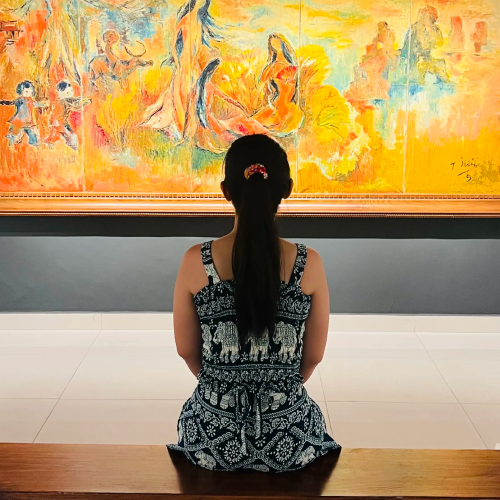
Have you ever seen a tattoo that looks like it was painted with a brush rather than a needle? That’s the magic of the Watercolour Tattoo — an art form that blurs the line between body ink and fine art. Soft washes of colour, flowing gradients, and a sense of motion make these tattoos feel alive, as if the pigment might drip off the skin at any moment.
In this article, we’ll explore everything about the Watercolour Tattoo — from its origins and techniques, to how it’s done, what it symbolises, and why it’s become one of the most expressive forms of tattoo art in the modern era.
What Is a Watercolour Tattoo?

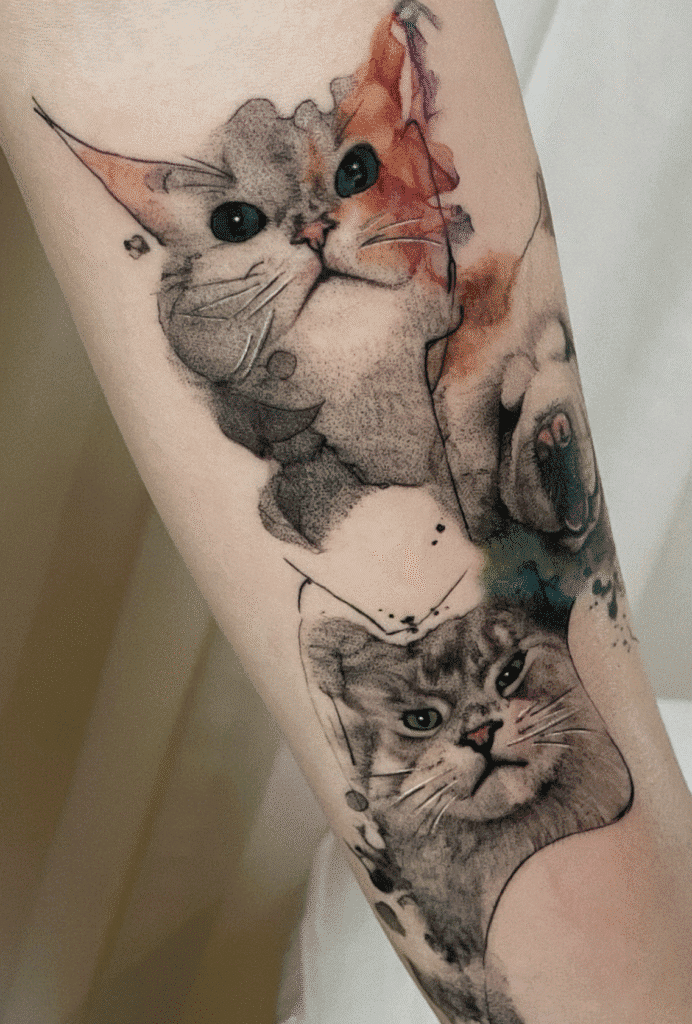
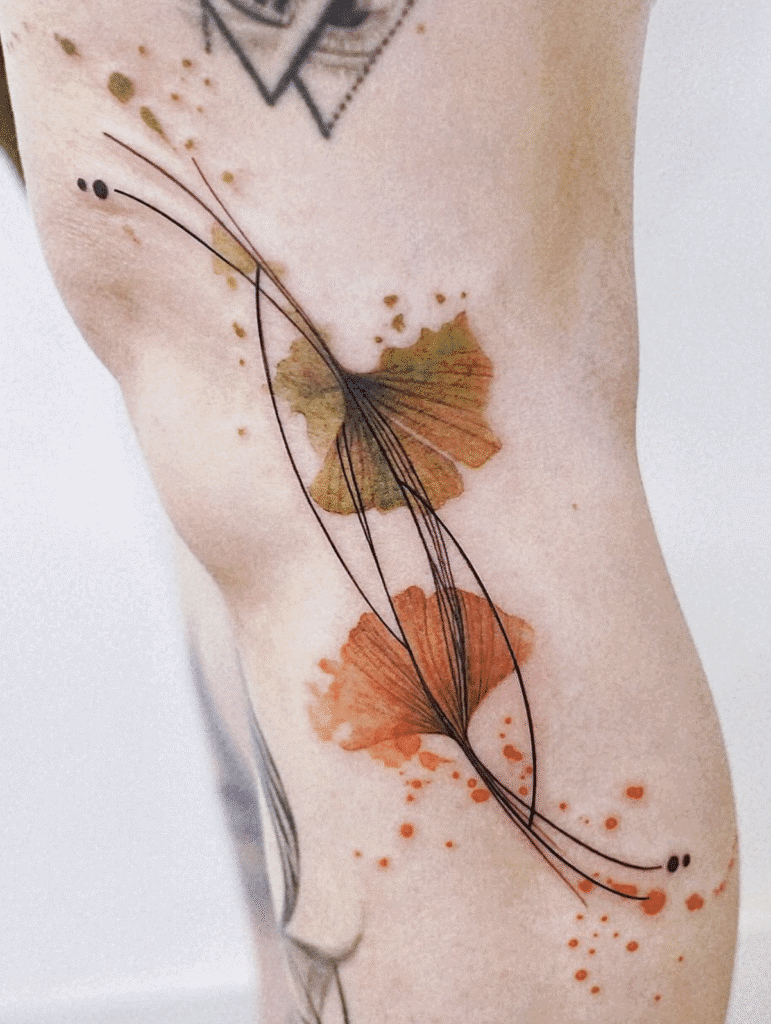
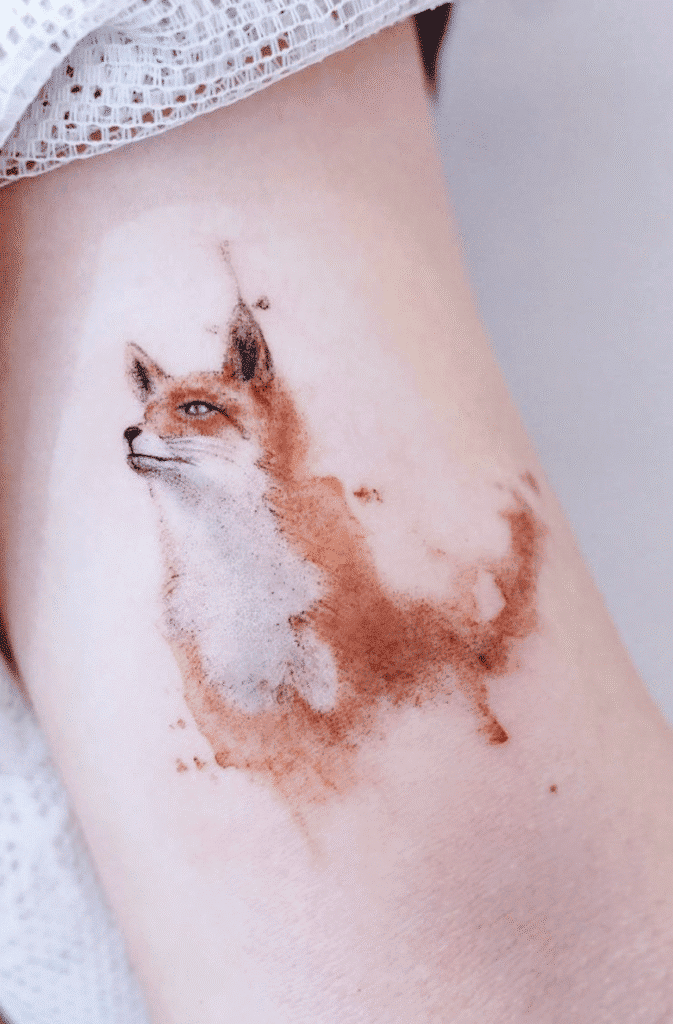
A Watercolour Tattoo mimics the look of a watercolour painting. Instead of sharp outlines and bold shading, it uses soft gradients, splashes of colour, and delicate brushstroke-like effects. The result is fluid, expressive, and often ethereal — as if someone painted directly onto your skin.
This style breaks traditional tattoo conventions. Where classic tattoos rely on black linework and heavy outlines, Watercolour Tattoos thrive on lightness and flow. Artists use clever ink layering and blending techniques to imitate the unpredictable charm of paint and water mixing on canvas.
Common motifs include flowers, birds, galaxies, animals, abstract shapes, and even portrait art. Whether you want something symbolic or purely aesthetic, this style offers limitless creative freedom.
The Origins of Watercolour Tattooing
The Watercolour Tattoo is relatively new in the world of body art. It began gaining popularity in the early 2010s as tattoo artists experimented with techniques inspired by modern art, illustration, and fine painting.
While the style doesn’t have ancient roots like tribal or blackwork tattoos, it emerged from a movement that sought to merge fine art with body art. Artists who were trained painters started exploring how the expressive fluidity of watercolours could be translated into ink — and thus, a revolution began.
Key Artists Behind the Movement
Some of the most influential tattooists who helped shape the Watercolour Tattoo style include:
- Sasha Unisex (Russia) – Famous for her bright, geometric yet fluid animal designs.
- Ondrash (Czech Republic) – Known for blending realism and abstraction in dreamlike compositions.
- Amanda Wachob (USA) – One of the pioneers who brought fine art aesthetics into tattooing, often using colour washes that look like true paintings.
These artists inspired a generation of tattooists worldwide, proving that skin could become a canvas for modern art.


Amanda Wachob
One of the pioneers who brought fine art aesthetics into tattooing, often using colour washes that look like true paintings.
The Artistic Philosophy Behind Watercolour Tattoos
A Watercolour Tattoo isn’t just about visual beauty — it’s a philosophy of expression. It embodies freedom, creativity, and impermanence, echoing the delicate nature of watercolour itself.
Traditional tattoos often have rigid outlines and fixed meaning, but Watercolour Tattoos encourage interpretation and emotional resonance. A splash of blue might represent serenity or sorrow; a burst of red might symbolise love or courage. The meaning is as fluid as the ink itself.
This art form resonates with those who value individuality and artistic self-expression — it’s less about following tattoo traditions and more about painting your emotions on your skin.
How a Watercolour Tattoo Is Done
Creating a Watercolour Tattoo requires not only technical skill but also a painter’s intuition. Unlike standard tattoos, which follow clean outlines, this style demands a layered, organic approach.
Here’s a breakdown of the process:
1. Design and Planning
The artist begins by sketching a design that can translate well into watercolour effects. This may involve soft brush shapes, light washes, or abstract compositions. The placement is crucial — areas with smooth skin, like arms, shoulders, or thighs, allow colours to blend more naturally.
2. Base Layer and Linework (Optional)
Some Watercolour Tattoos start with fine black or grey outlines, while others omit them entirely. When outlines are used, they’re often light and minimal — just enough to provide structure without overpowering the flow of colour.
3. Layering Colours
The artist then builds up layers of ink, using diluted pigments to create translucency. The tattoo machine is used at a lower power to mimic brushstrokes, blending shades seamlessly. Techniques like stippling, colour bleeding, and fade transitions are employed to create the illusion of wet paint.
4. Finishing Touches
Highlights, splatters, or contrast lines are added at the end to make the design pop. Some artists even incorporate negative space — uninked skin areas that act like “white paper” — to add depth and brightness.
The process is slow and meticulous, requiring a steady hand and a keen artistic eye.
The Tools and Techniques Behind the Style
Unlike traditional tattoos that rely heavily on outlines and fills, a Watercolour Tattoo depends on creative technique and ink manipulation.
- Dilution: Artists thin the ink with distilled water or specialised solutions to create transparent tones.
- Layering: Colours are built up gradually — like glazing in painting — to achieve depth and luminosity.
- Brushstroke Motion: Artists mimic the movement of a paintbrush, sweeping and fading colour.
- Ink Flicks and Splashes: By varying pressure, they create soft bursts of colour resembling paint splatters.
- Contrast and Composition: To maintain structure, many artists subtly combine black lines or dark areas to anchor the composition — preventing it from appearing too diffuse.
The key is control through chaos: the tattoo must feel spontaneous yet remain precise enough to age gracefully.
The Meaning and Symbolism Behind Watercolour Tattoos
Because of its expressive nature, a Watercolour Tattoo often reflects personal emotion rather than rigid symbolism. Yet, many designs carry deep meaning through colour and form.
- Blue tones represent peace, introspection, and calm.
- Red conveys love, passion, and strength.
- Purple signifies creativity, spirituality, and mystery.
- Yellow radiates optimism and joy.
- Green symbolises growth, balance, and renewal.
Beyond colour psychology, Watercolour Tattoos often embody freedom of spirit and artistic identity — a rebellion against boundaries and convention. They speak to those who live authentically, embracing life’s unpredictable flow much like pigment spreading across wet paper.
Popular Watercolour Tattoo Designs
The possibilities are endless, but some designs naturally lend themselves to the Watercolour style due to their organic shapes and emotional resonance.
1. Floral Watercolour Tattoos
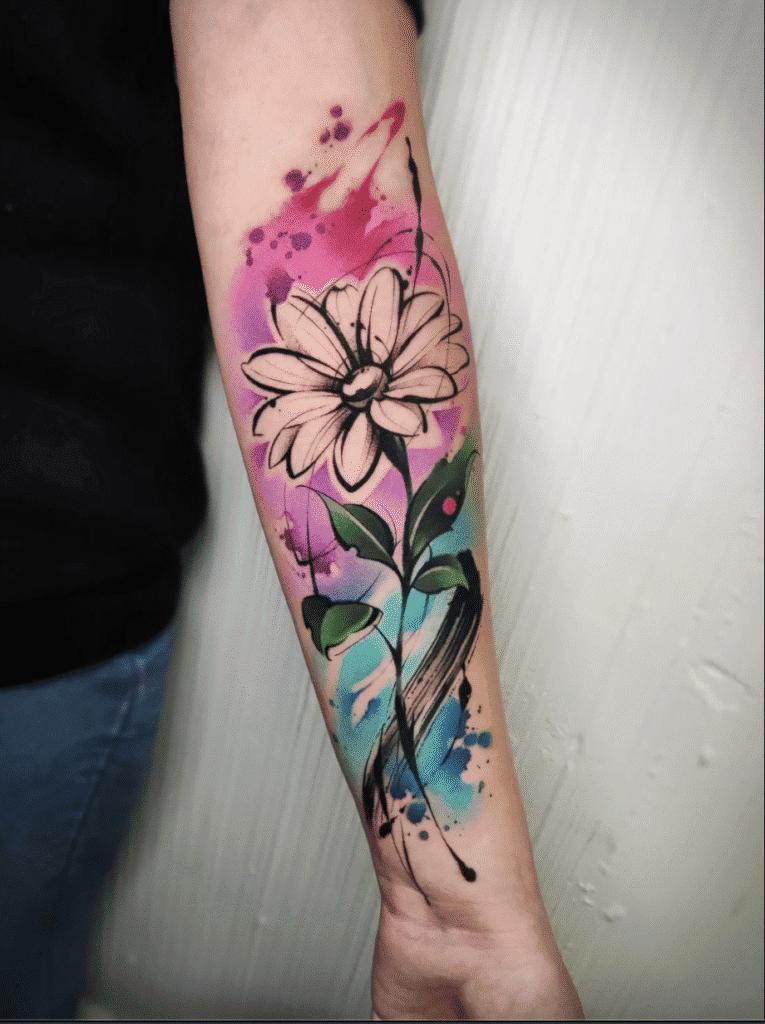
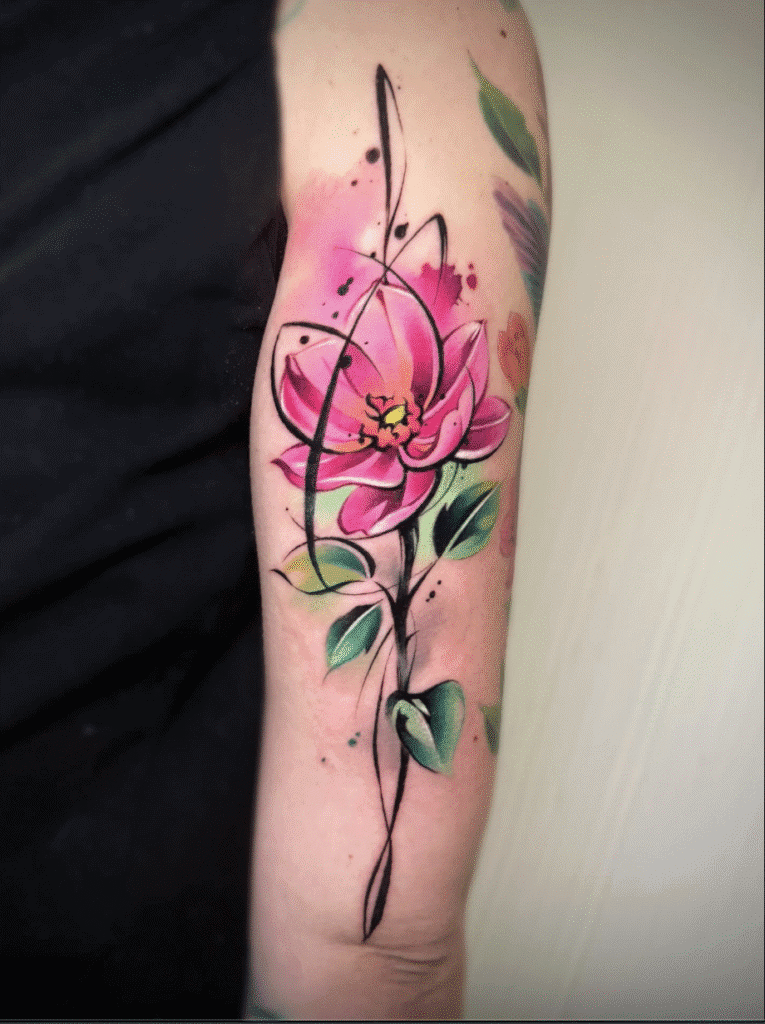
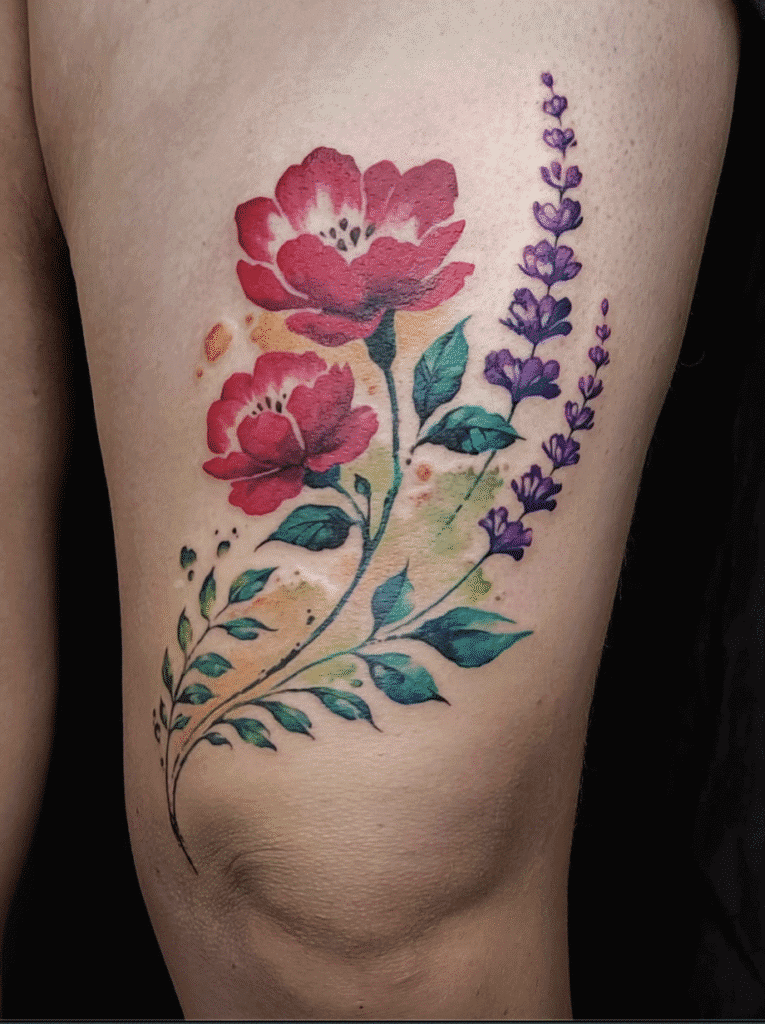
Flowers are the most popular motif — roses, peonies, cherry blossoms, or wildflowers rendered in dreamy colour transitions. These designs highlight delicacy and life’s fleeting beauty.
2. Animal and Bird Tattoos
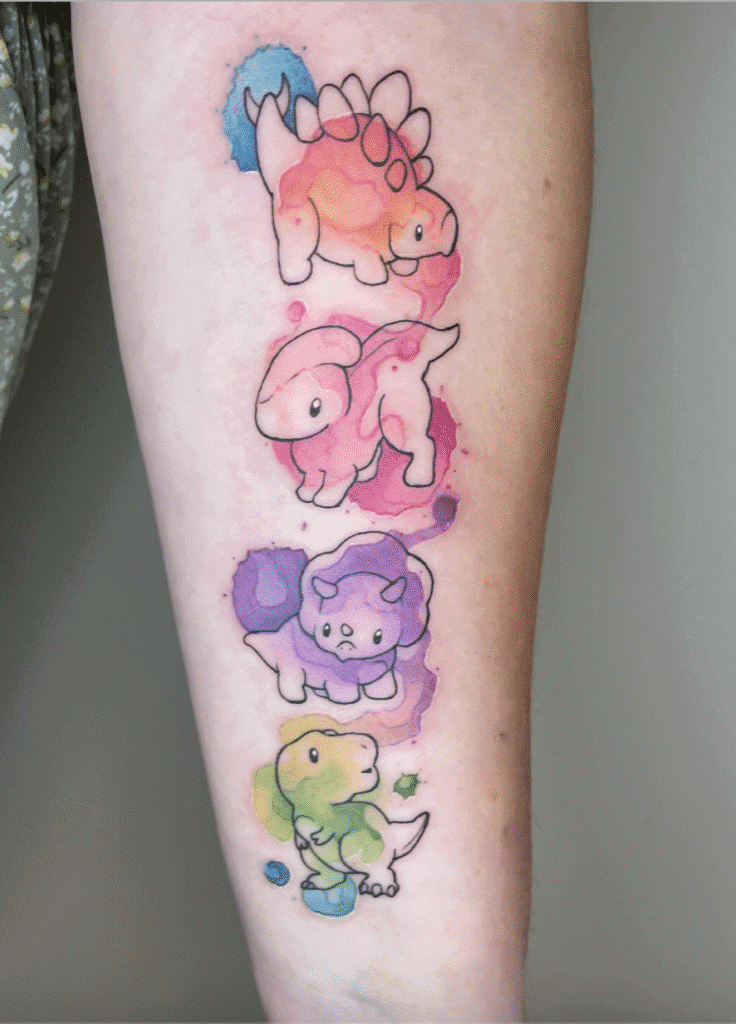
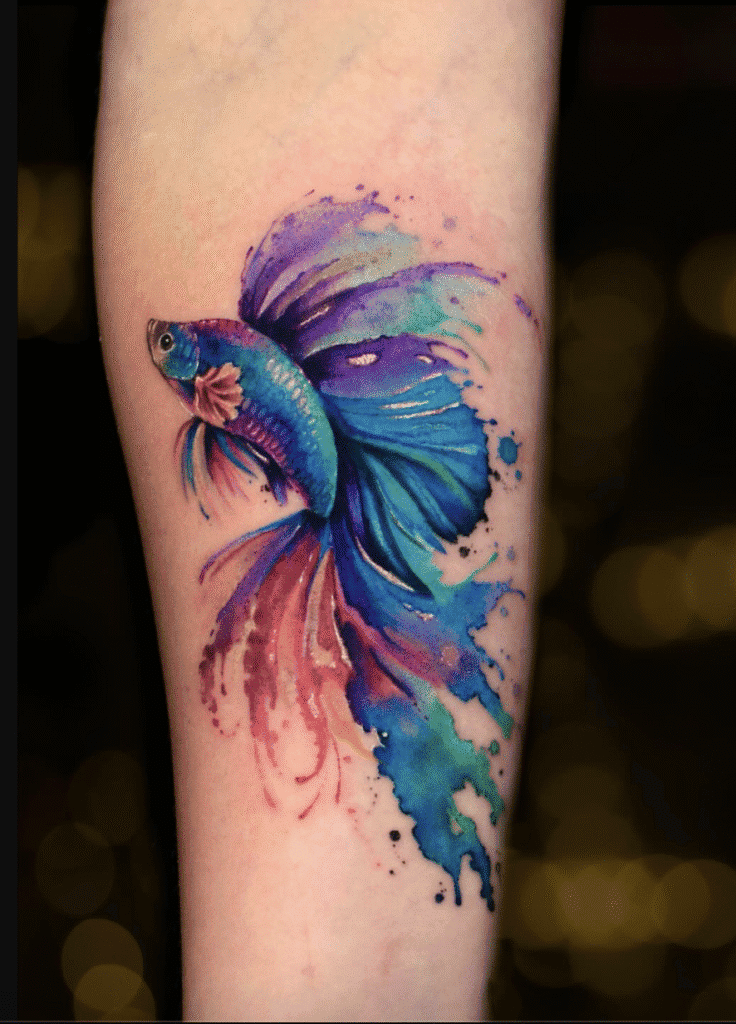
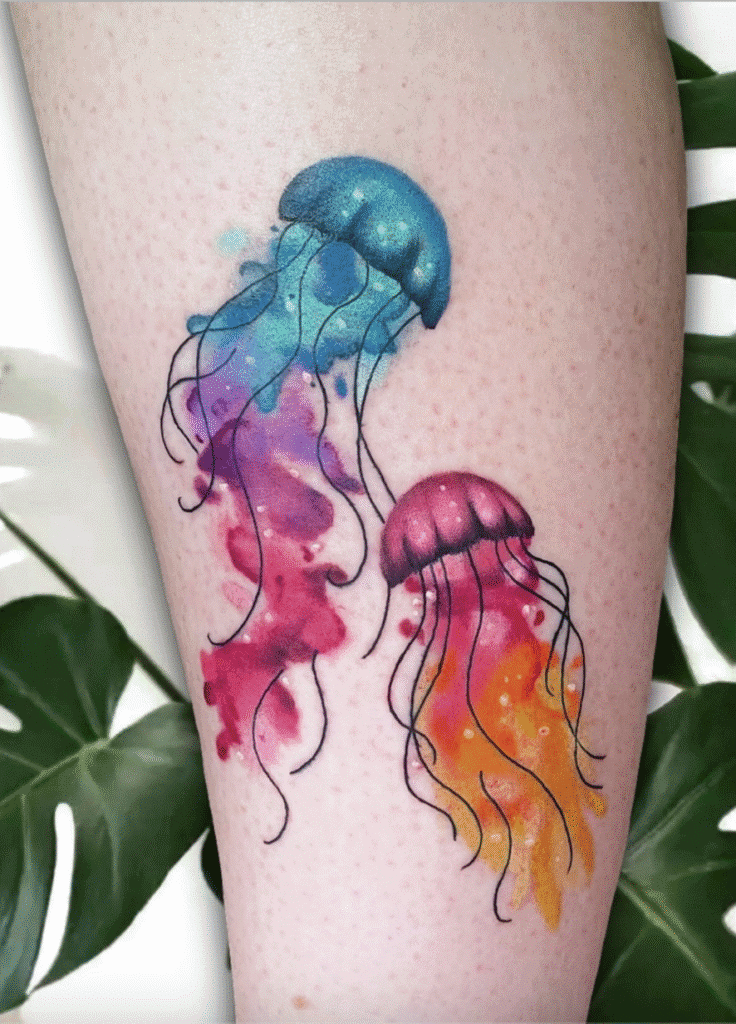
Hummingbirds, wolves, butterflies, and koi fish are common, symbolising freedom, transformation, or grace. The use of motion and splash effects gives these creatures a sense of flight or vitality.
3. Galaxy and Abstract Tattoos
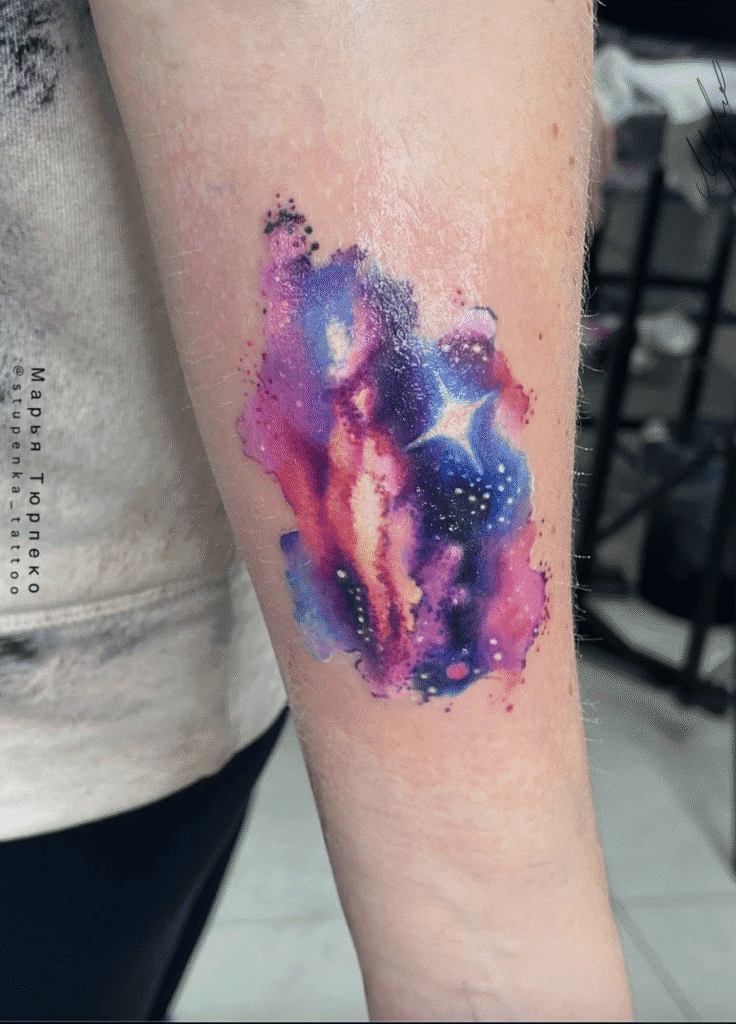
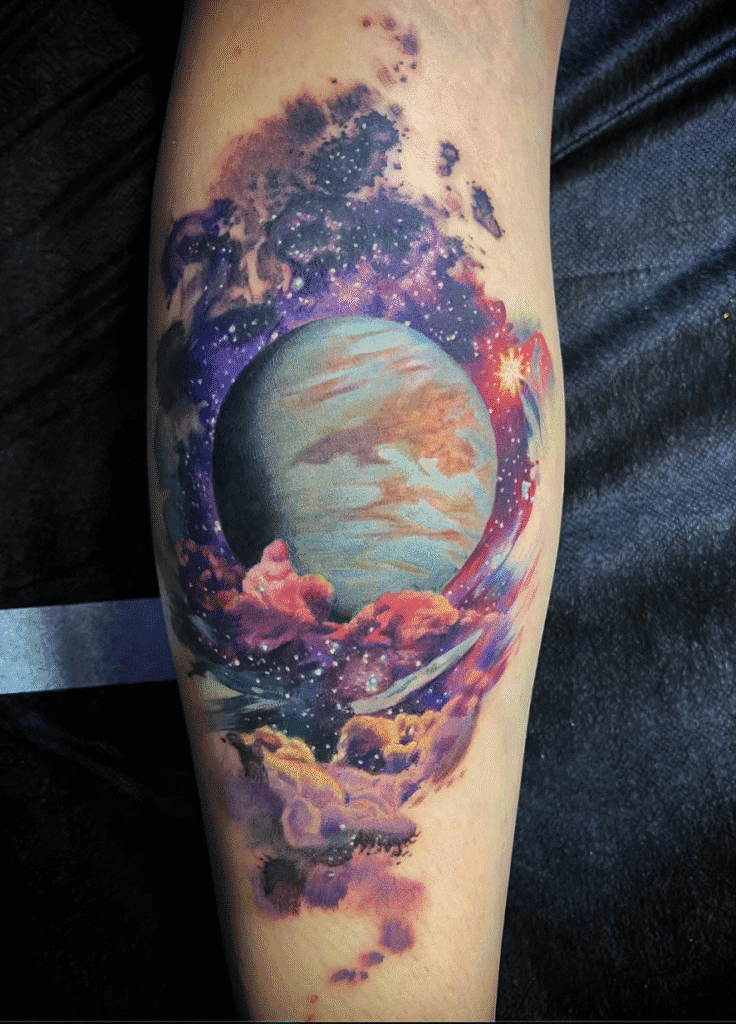
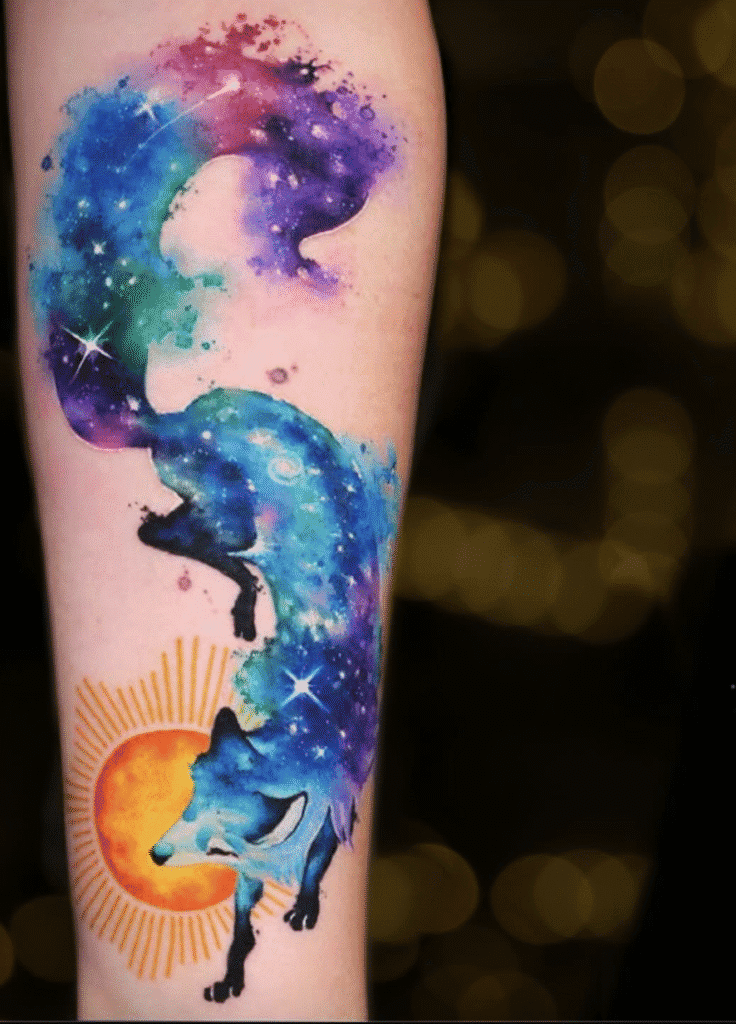
Cosmic swirls, planets, or aurora-like designs work beautifully with the Watercolour style. They evoke wonder and connection to the universe.
4. Portraits and Faces
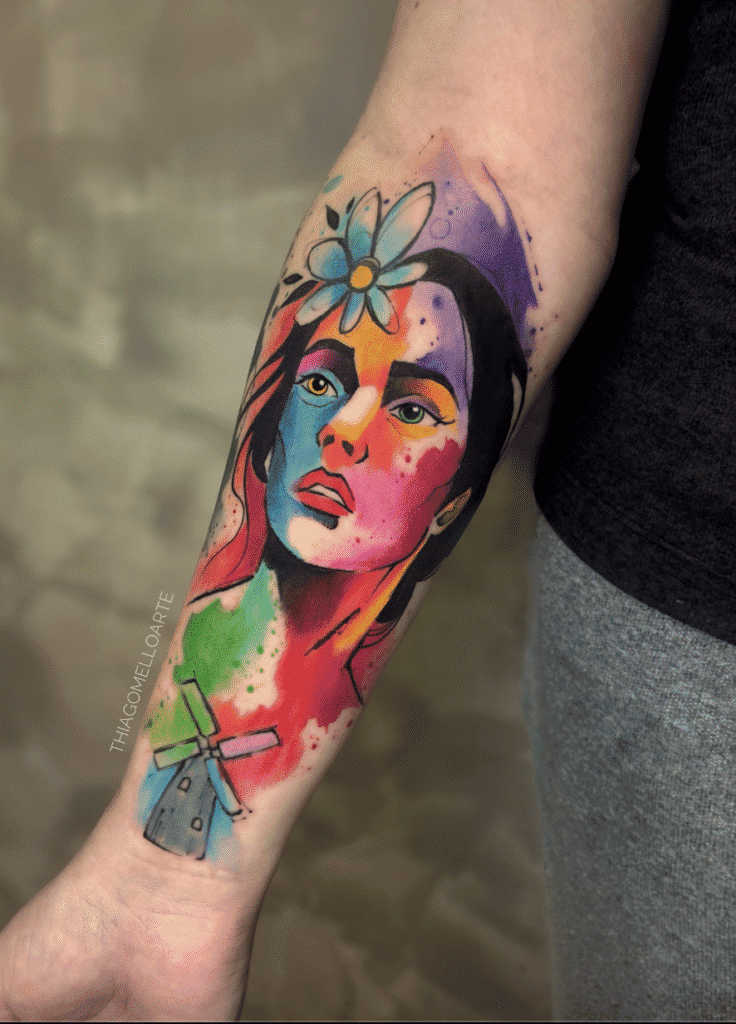
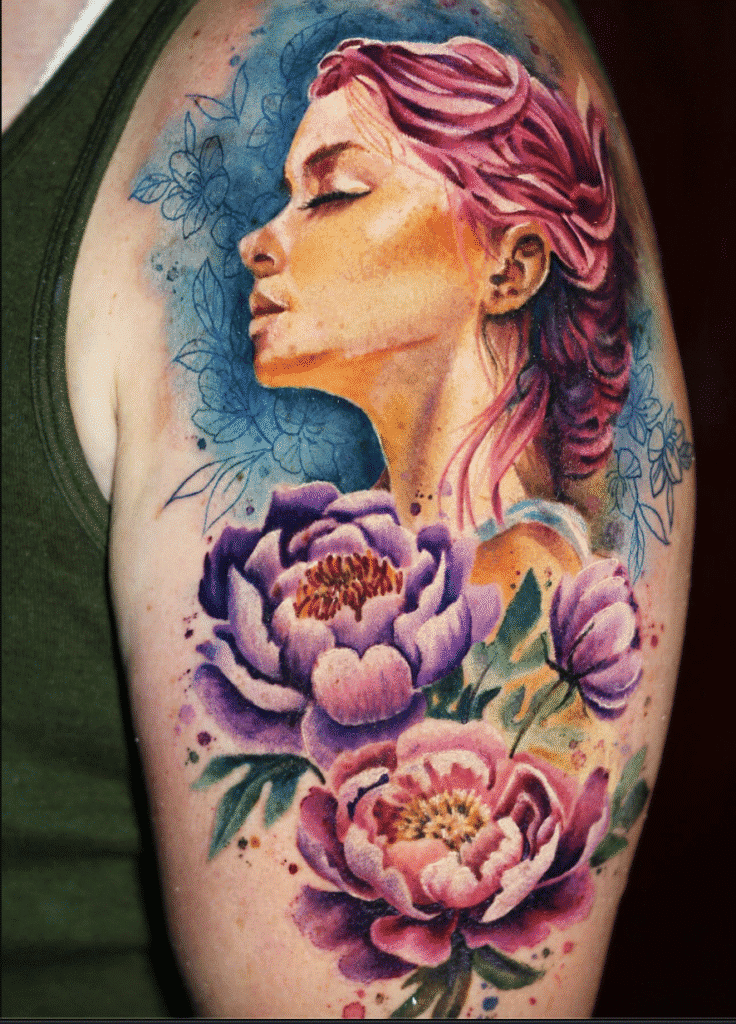
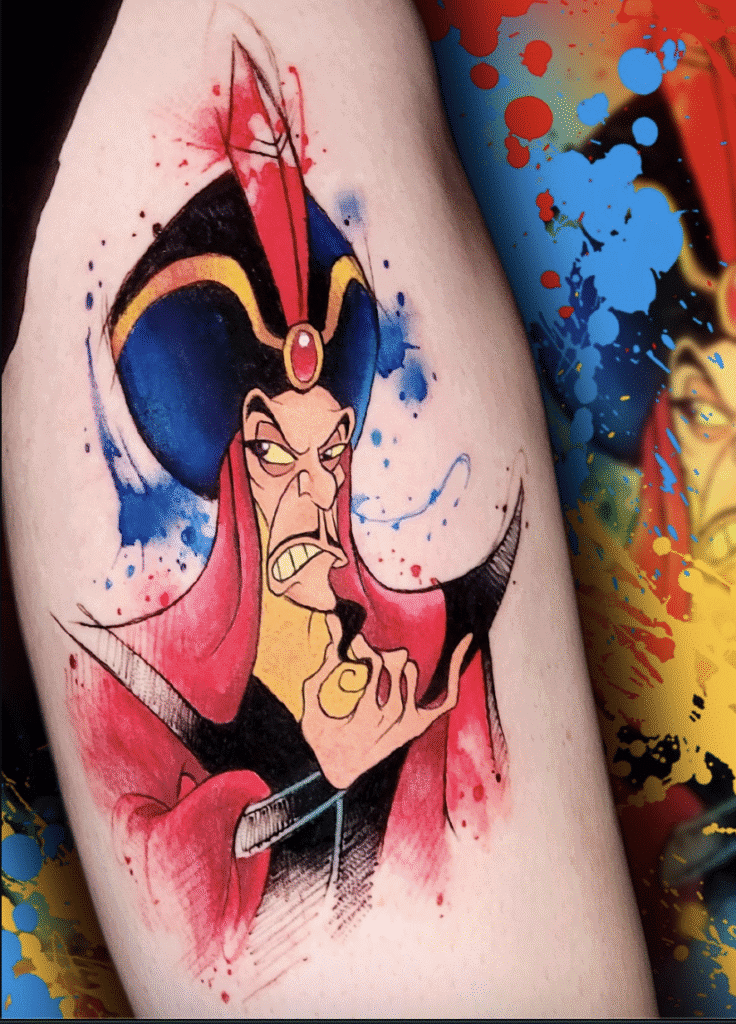
Modern artists sometimes render faces or silhouettes in Watercolour, creating haunting, emotional imagery — as if memories were painted onto skin.
5. Minimalist Watercolour Tattoos
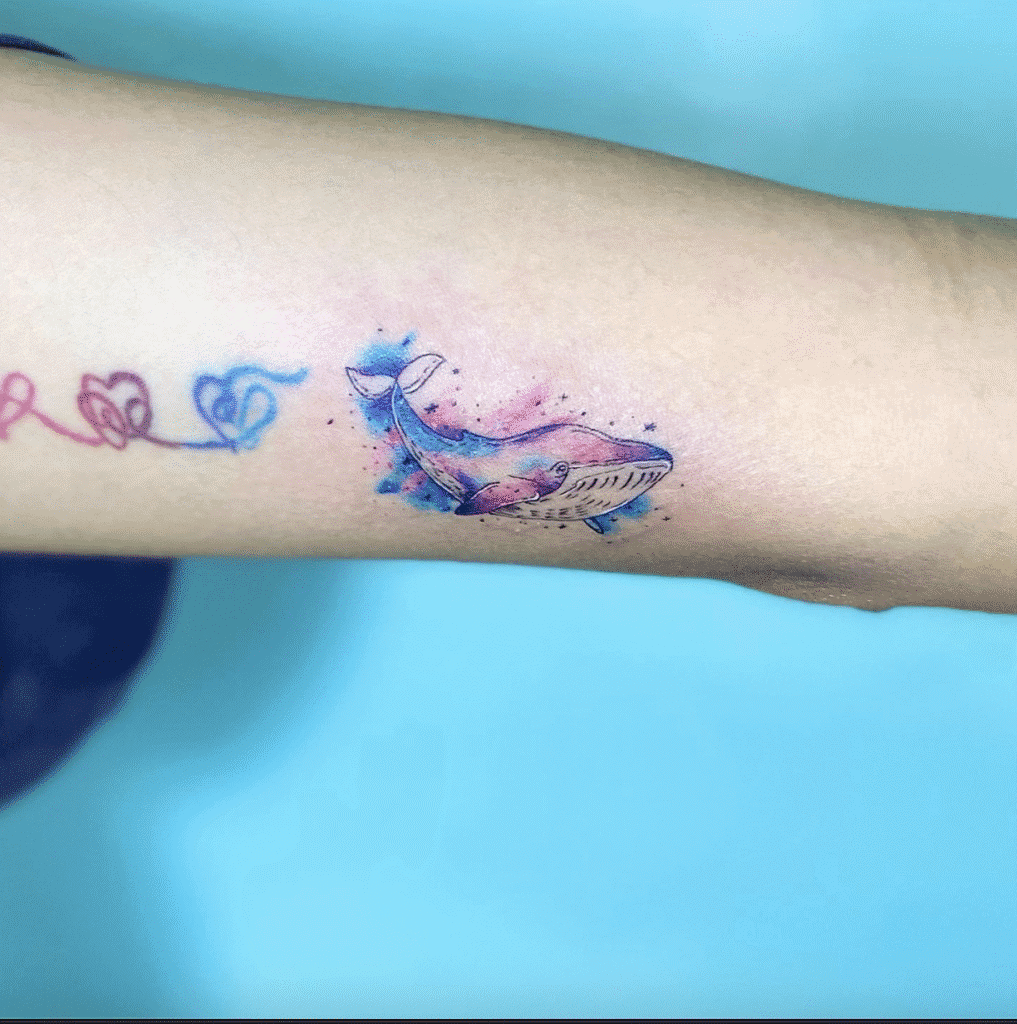
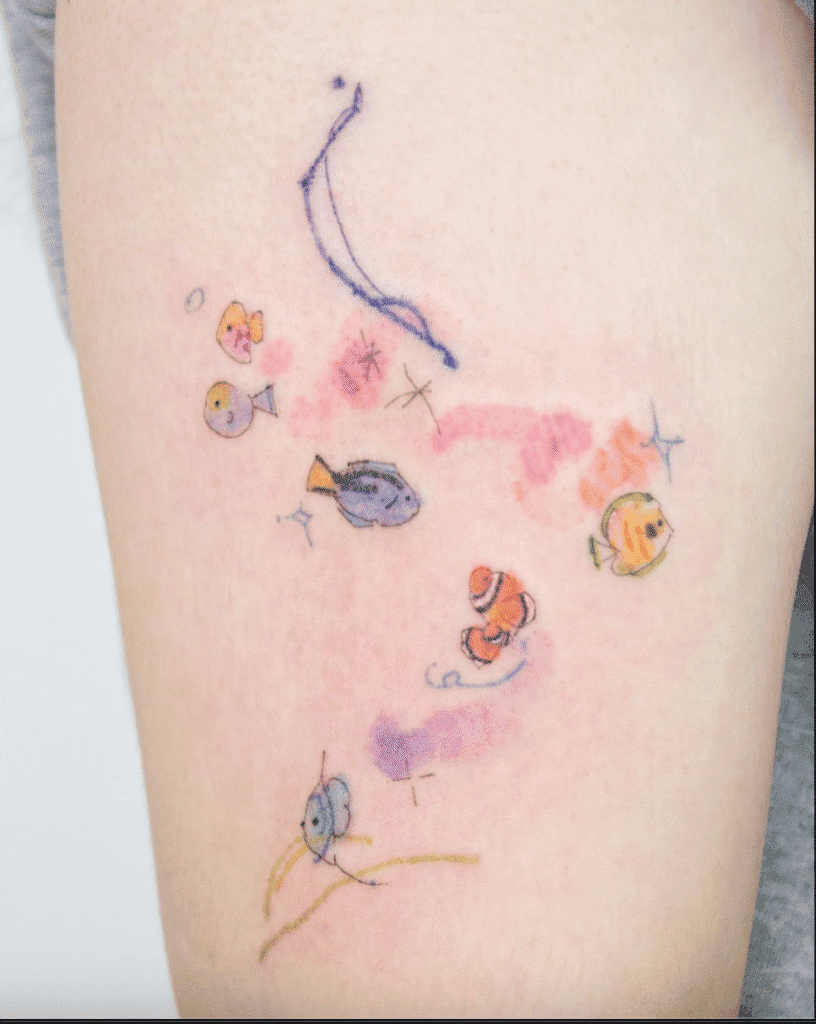
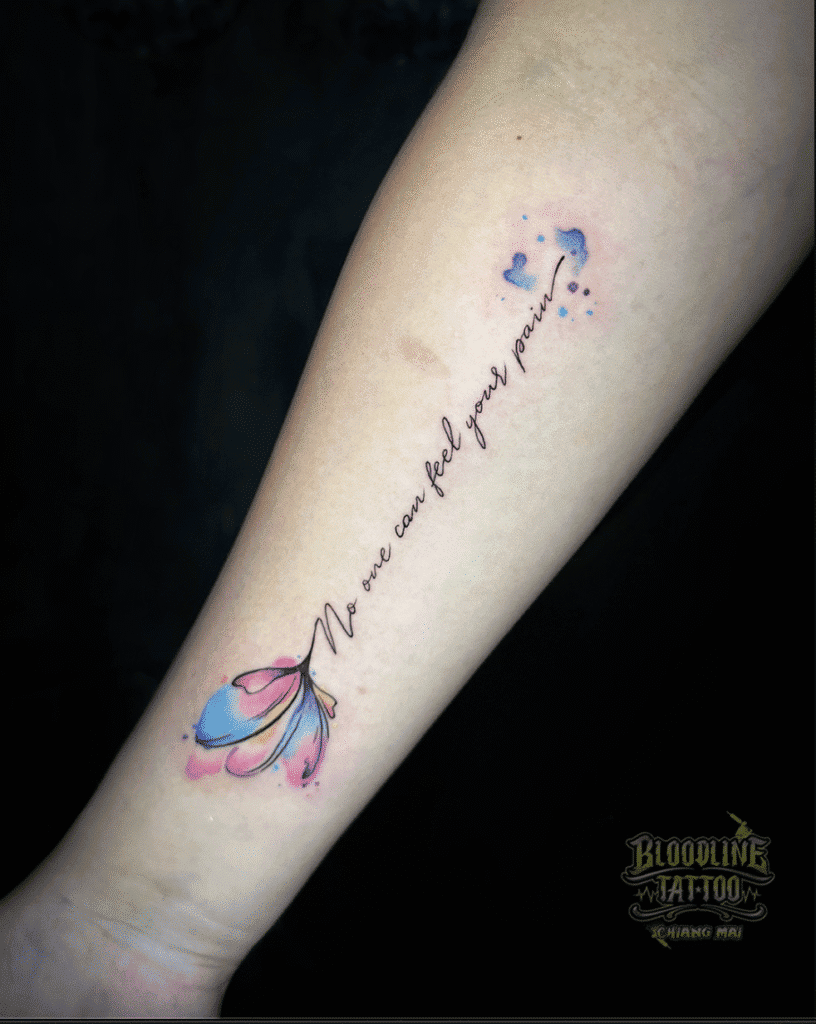
A single splash of colour or a subtle fade can make a minimalist statement — proof that less is often more when it comes to artistic tattoos.
Do Watercolour Tattoos Fade Faster?
A common question among tattoo enthusiasts is whether Watercolour Tattoos fade faster than traditional ones.
The short answer: yes — but only slightly, depending on care and technique. Because Watercolour Tattoos use lighter shades and diluted ink, they’re naturally more prone to fading over time, especially if exposed to sunlight or poor aftercare.
However, modern ink technology and skilled artists can produce watercolour tattoos that remain vibrant for many years. Using minimal outlines and ensuring good contrast between tones helps maintain structure as the tattoo ages.
Proper aftercare — like moisturising and avoiding direct sun exposure — plays a major role in preserving colour vibrancy.
The Appeal of Watercolour Tattoos
What makes the Watercolour Tattoo so popular isn’t just its beauty — it’s the emotion it conveys.
- Uniqueness: No two designs are ever alike; each is as unpredictable as the flow of paint.
- Expression: The style captures feelings — freedom, chaos, serenity — in visual form.
- Softness: Ideal for those who want a gentle aesthetic rather than bold outlines.
- Gender-neutral versatility: Works equally well for delicate floral designs or abstract masculine forms.
- Artistic sophistication: It’s a statement that the wearer sees their body as a living canvas.
In short, Watercolour Tattoos appeal to people who view tattoos as artistic storytelling, not just decoration.
Pain and Healing Process
The pain level of a Watercolour Tattoo is generally similar to other styles, though lighter shading and layering may reduce discomfort compared to solid black fills.
Healing typically follows the same timeline — about 2 to 4 weeks for the outer layers to recover, and several months for complete healing beneath the skin.
During this period, it’s vital to:
- Keep the area clean and lightly moisturised.
- Avoid picking or scratching.
- Protect from UV rays.
- Stay out of pools and baths.
A well-healed tattoo retains its soft, painterly texture and luminosity.
Talented Watercolour Tattoo Artists
1. Baltapaprocki
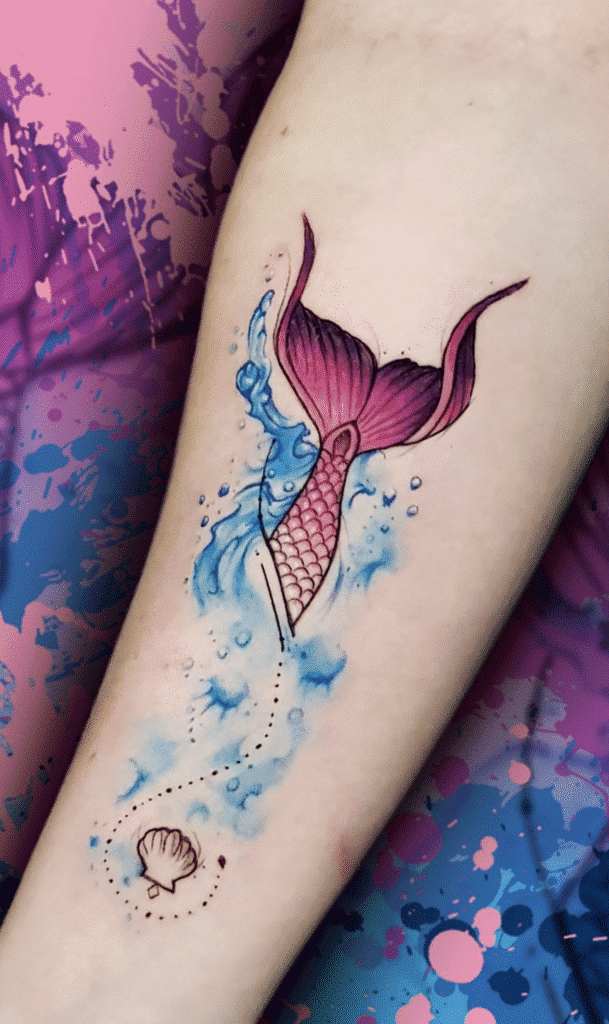
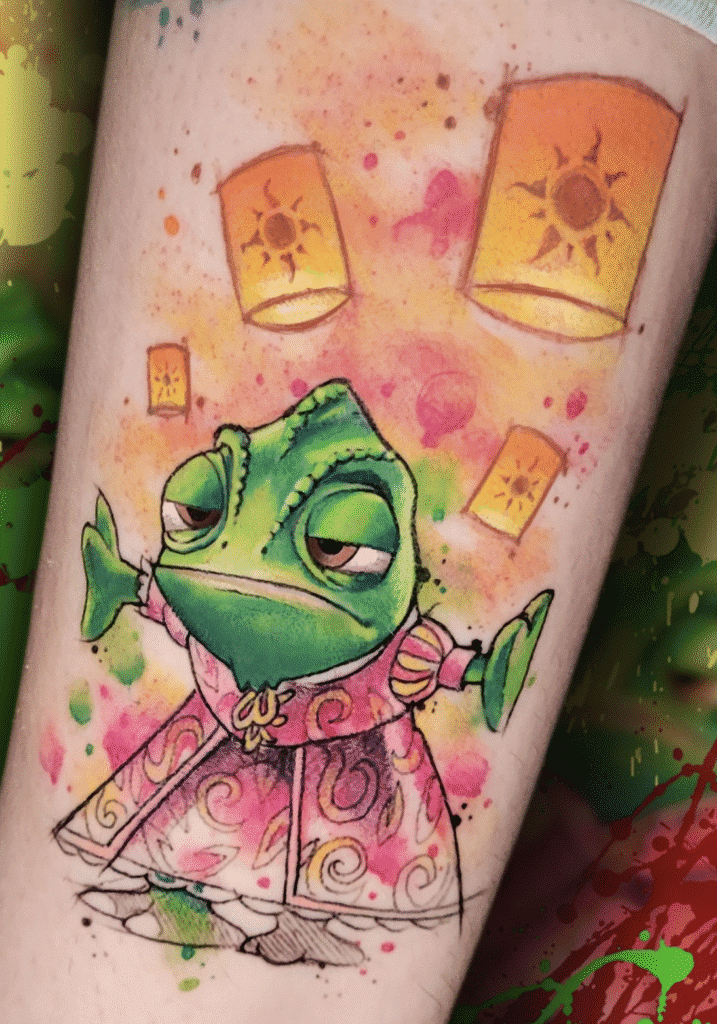
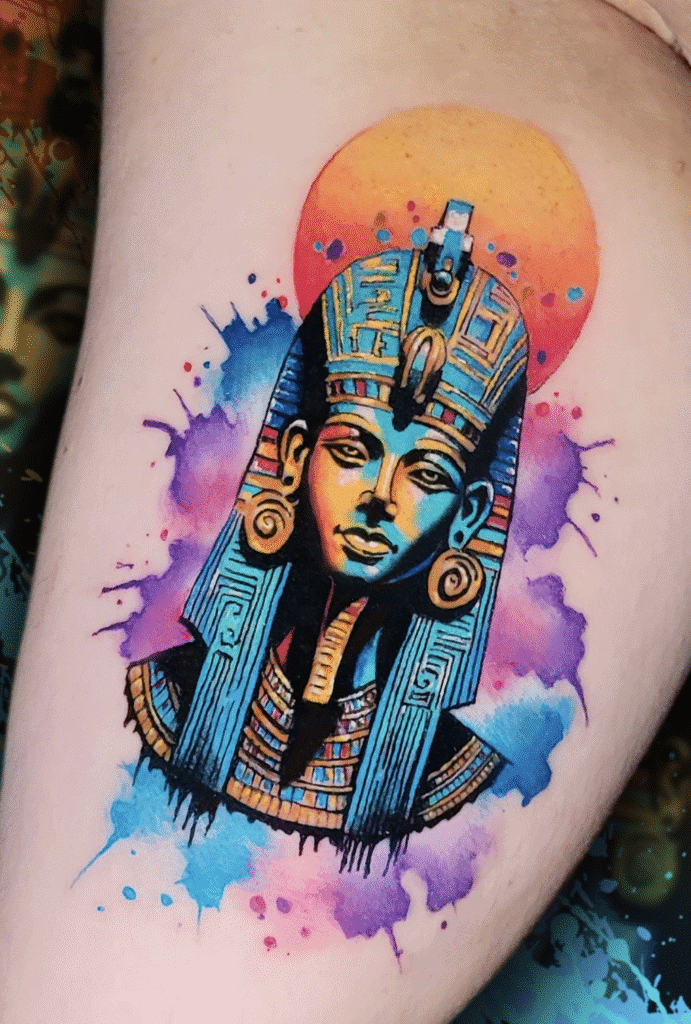
2. Pablo.colors.tattoos
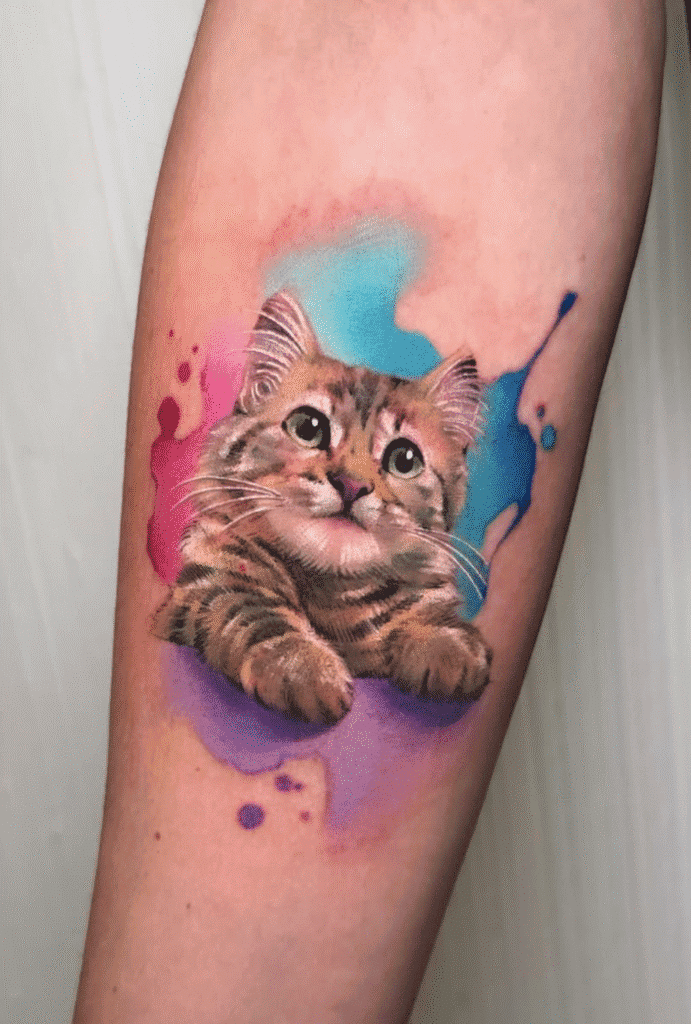
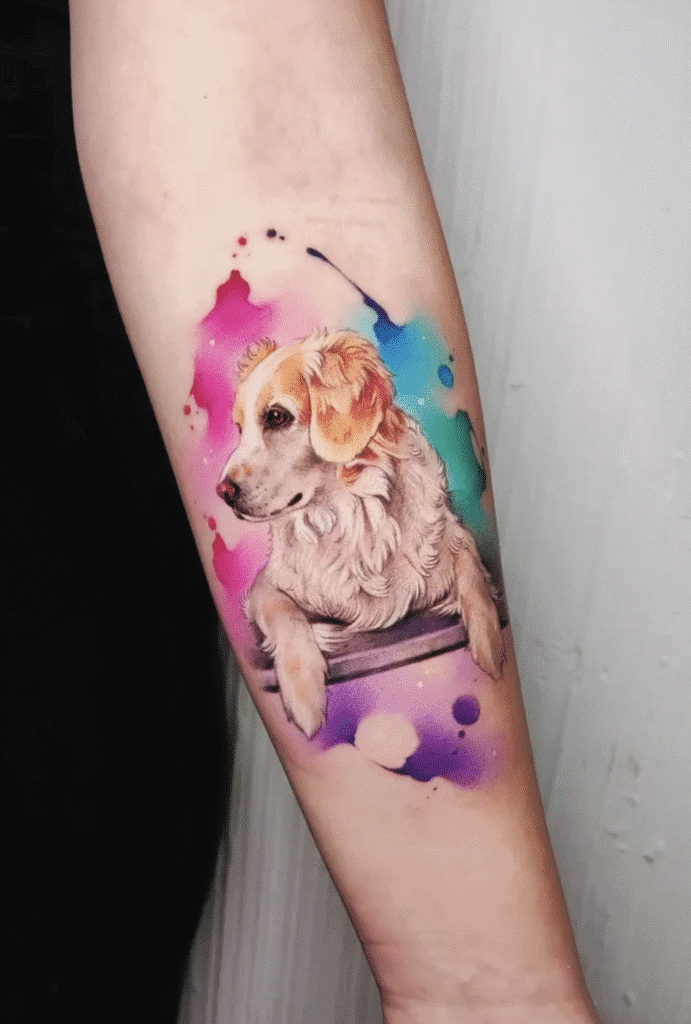
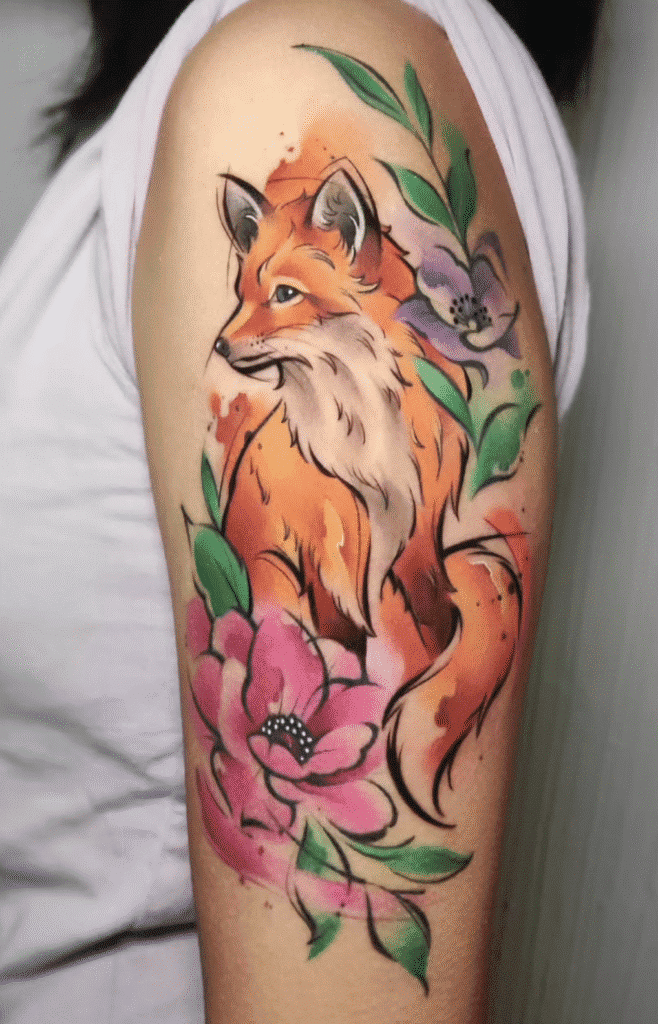
3. Rafikiink
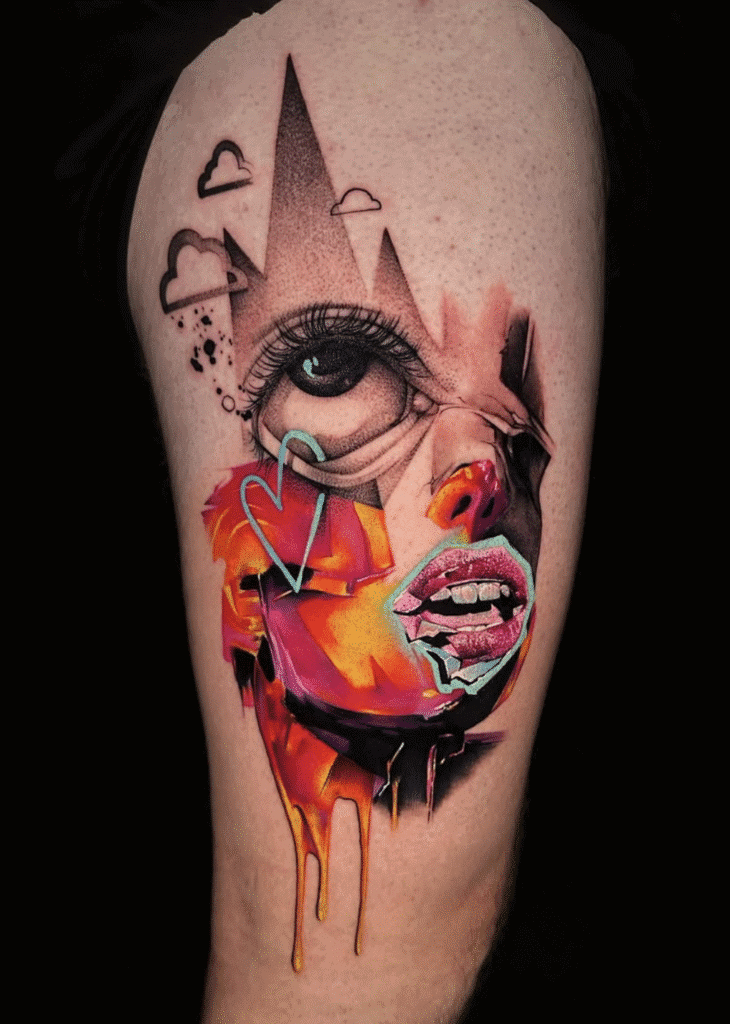
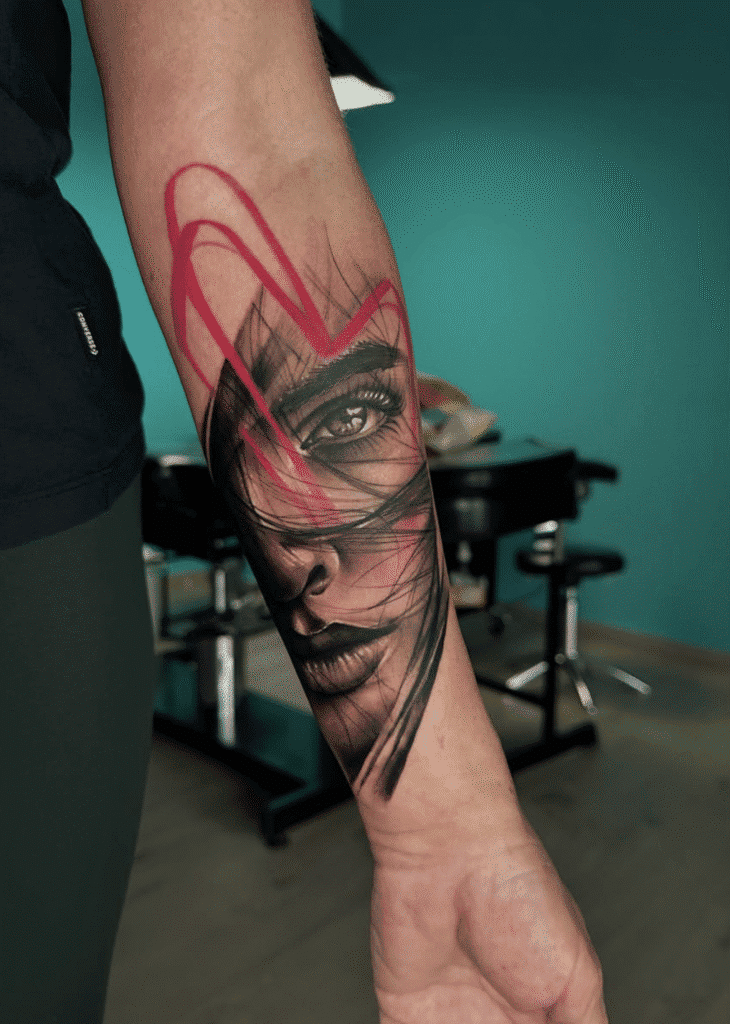
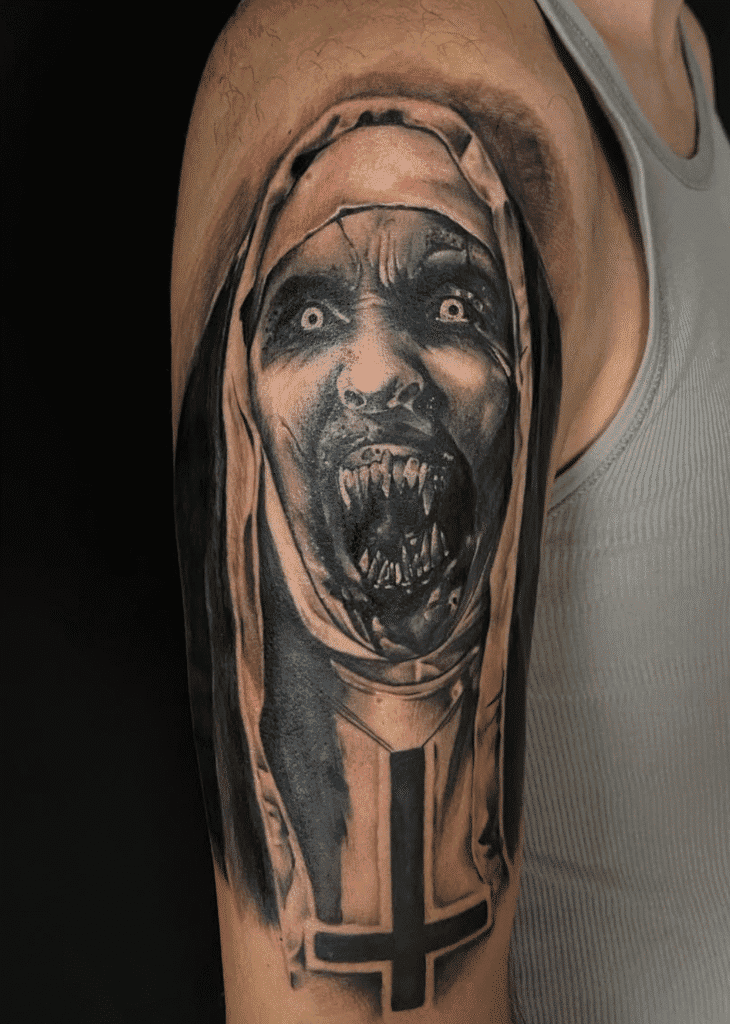
4. Rizostattoo
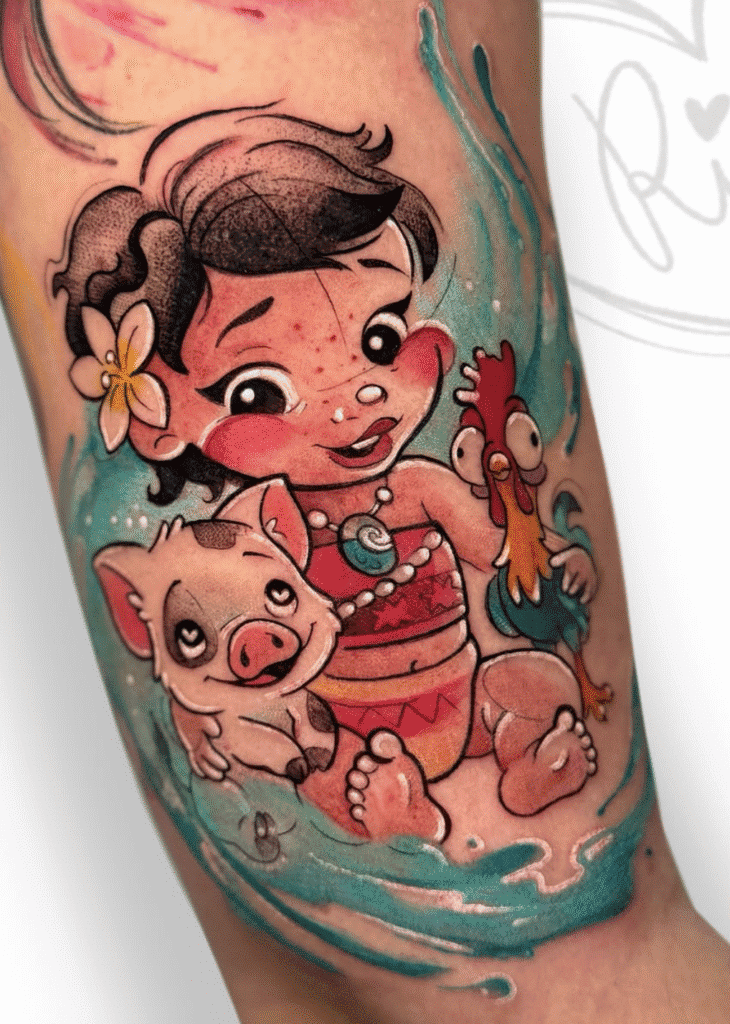
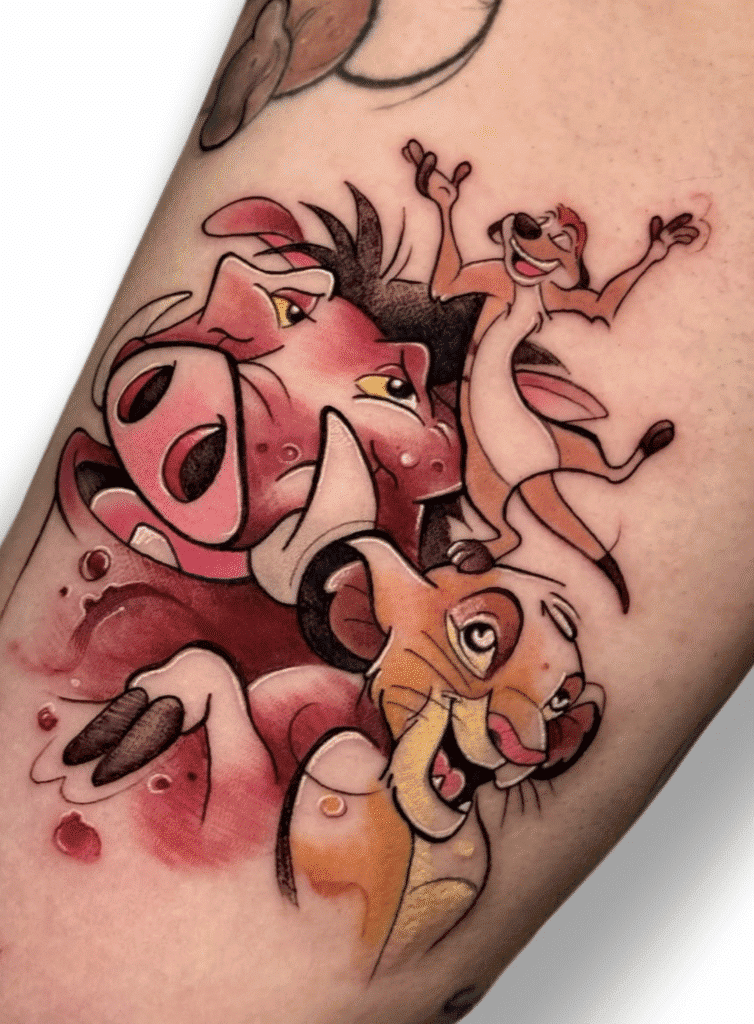
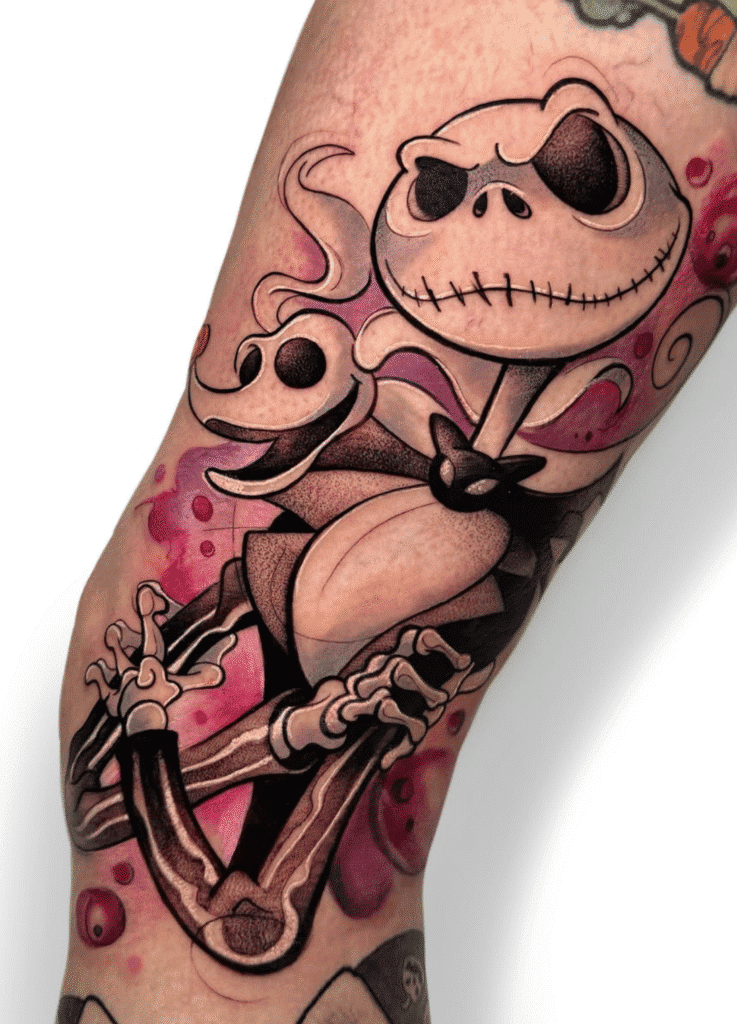
5. little.rennn
Finding the Right Artist
Not all tattoo artists specialise in watercolour techniques — it’s a complex skill that requires colour theory knowledge and artistic sensibility. When searching for a Watercolour Tattoo artist:
- Look for portfolios with smooth gradients, vivid yet subtle hues, and balanced contrast.
- Ask about their approach to ink dilution and layering.
- Choose someone with experience in both realism and abstract art, as these skills translate beautifully into Watercolour work.
The Future of Watercolour Tattoos
As tattooing continues to evolve, the Watercolour Tattoo stands out as a bridge between fine art and body art. It represents a new era where the human body becomes an expressive medium for contemporary creativity.
Digital art trends, 3D effects, and AI-assisted design are influencing how artists plan tattoos, allowing even more intricate and fluid compositions. Some are now blending Watercolour with geometric outlines, linework, or blackwork contrasts to create hybrid designs with both structure and softness.
The future of Watercolour Tattoos is bright, imaginative, and as ever-changing as the art that inspired it.
Pros and Cons of Watercolour Tattoos
Pros
Cons
Despite these challenges, the beauty of a well-done Watercolour Tattoo is undeniable — it’s wearable art that evokes emotion every time you see it.
Final Thoughts
A Watercolour Tattoo is where fine art meets self-expression — a perfect fusion of creativity, colour, and individuality. It rejects rigidity, embraces movement, and captures fleeting moments of beauty that mirror life itself.
Whether you want a soft floral bloom, a vibrant splash of colour, or a surreal abstract design, the Watercolour Tattoo transforms your body into a living canvas of emotion and imagination.
In the end, the best tattoos — like the best paintings — don’t just decorate. They speak, they move, and they feel. And few styles capture that truth better than the fluid, breathtaking artistry of Watercolour Tattooing.
- Best Tattoo Studio Decor Ideas - February 10, 2026
- Celtic and Nordic Tattoo Style - December 17, 2025
- Anime Tattoo Ideas - December 15, 2025


