

Traditional Tattoo Style

Ready The Timeless Art of the Traditional Tattoo: Bold Lines, Classic Stories (tattoo clues)
When you picture a sailor’s anchor, a roaring panther, or a pin-up girl inked with bold black outlines and vibrant colours, you’re seeing one of the most iconic forms of body art in history, the Traditional Tattoo.
Steeped in nostalgia, symbolism, and rebellion, the Traditional Tattoo remains one of the most recognisable and enduring styles ever created. With its thick outlines, limited colour palette, and old-school charm, it captures the spirit of a time when tattoos were more than decoration, they were identity, courage, and freedom inked into skin.
Here we’ll explore the origins, techniques, symbols, and meanings of the Traditional Tattoo, and uncover why this century-old style continues to captivate modern tattoo enthusiasts around the world.
What Is a Traditional Tattoo?
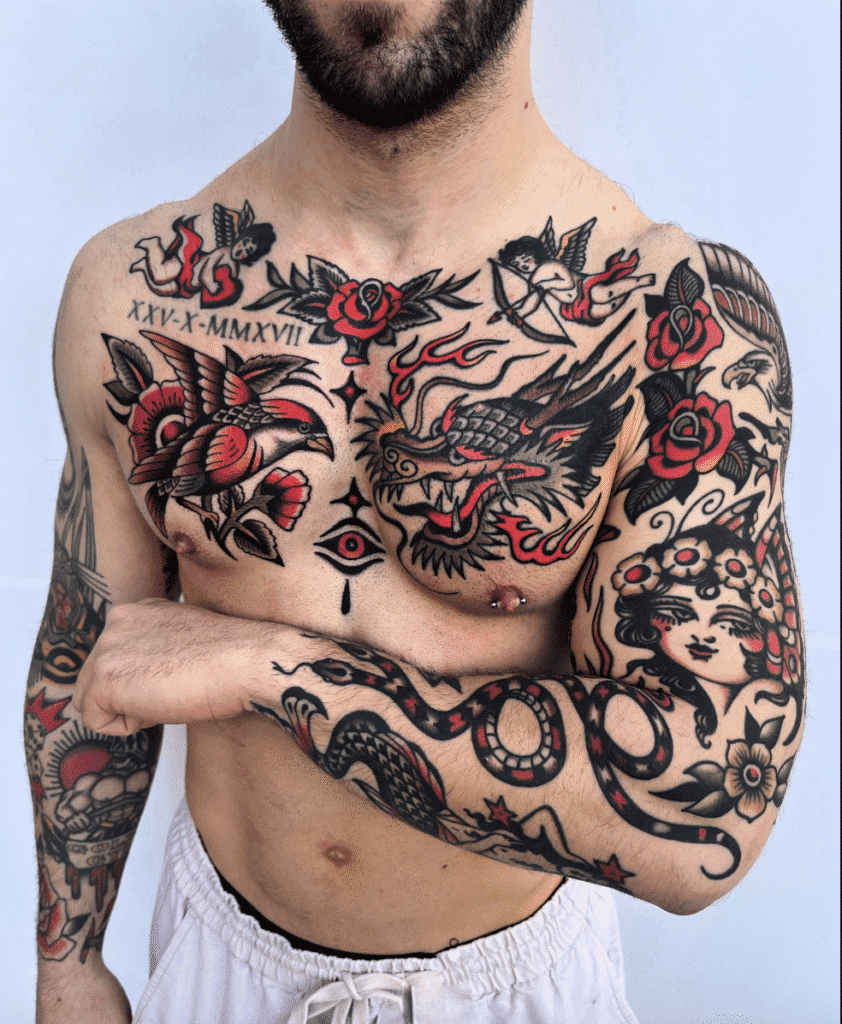
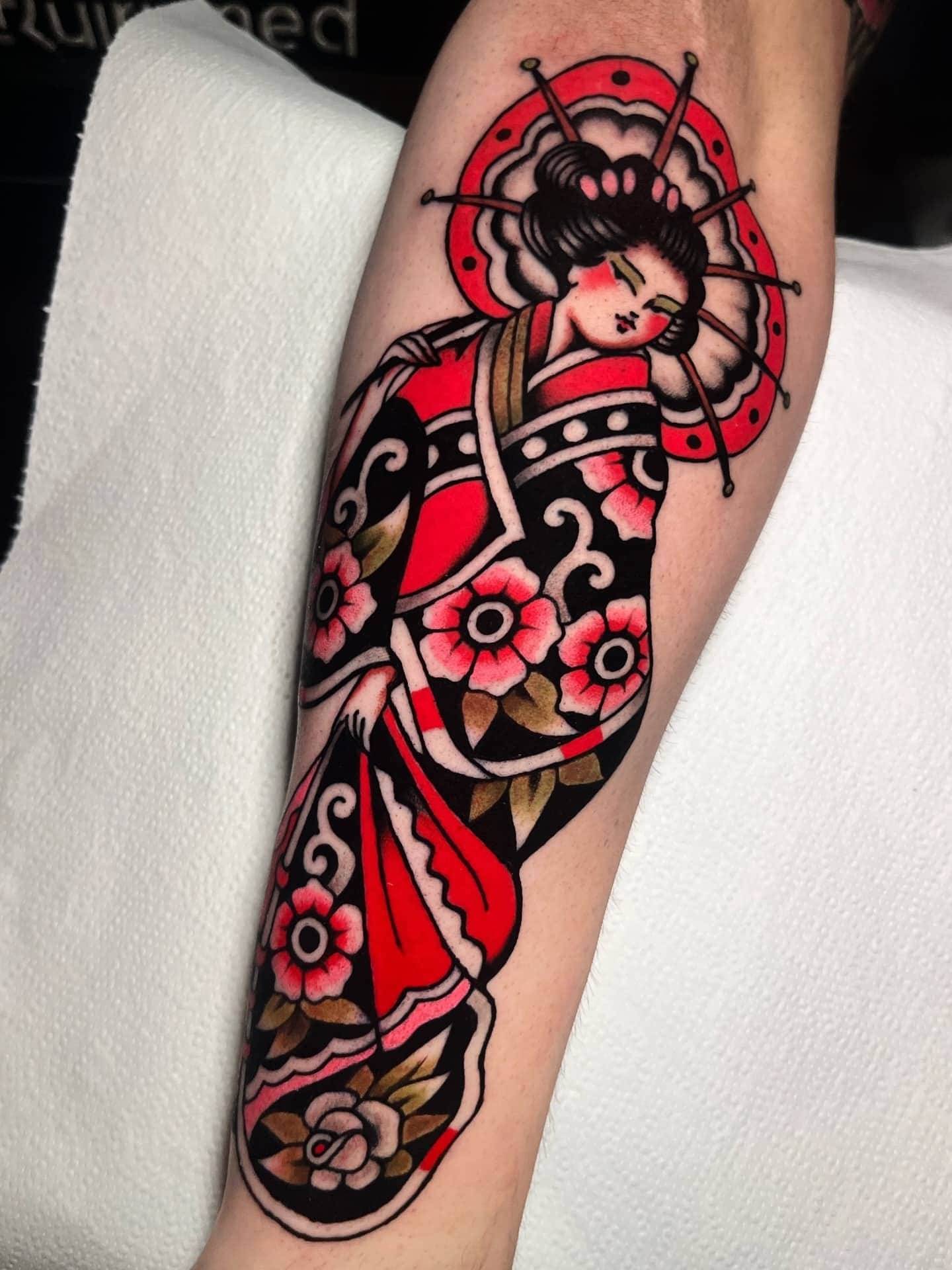
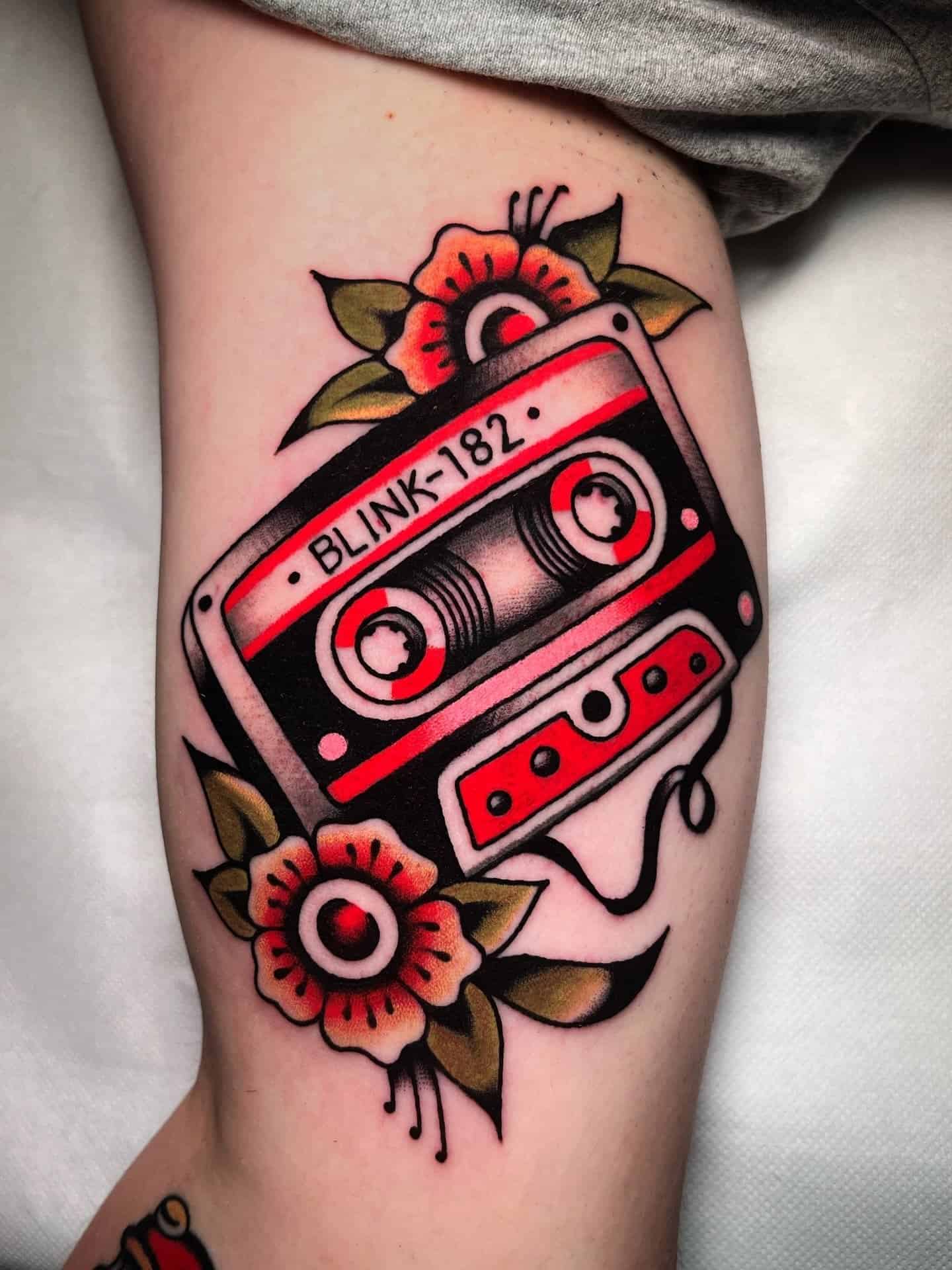
A Traditional Tattoo, also known as Old School or American Traditional Tattoo, is defined by its bold black outlines, limited but vibrant colour palette, and simple, striking imagery.
The style is built around clarity and impact. It’s not meant to look realistic; it’s meant to stand out. The colours, usually red, green, yellow, and blue, are solid and saturated, designed to remain bright and legible even after decades.
Every Traditional Tattoo is a blend of artistry and durability, using clean lines and simple shapes to create powerful images that age beautifully.
The Origins of the Traditional Tattoo
The story of the Traditional Tattoo begins in the early 20th century, when sailors, soldiers, and explorers carried tattoo culture across oceans.
The Sailor Connection
The roots of this style trace back to nautical tattooing — a practice that became popular among sailors who used tattoos as souvenirs of their journeys and symbols of protection.
They believed certain images carried luck or meaning:
- Anchors represented stability and safe passage.
- Swallows symbolised loyalty and returning home.
- Ships marked voyages across treacherous seas.
The Influence of Sailor Jerry
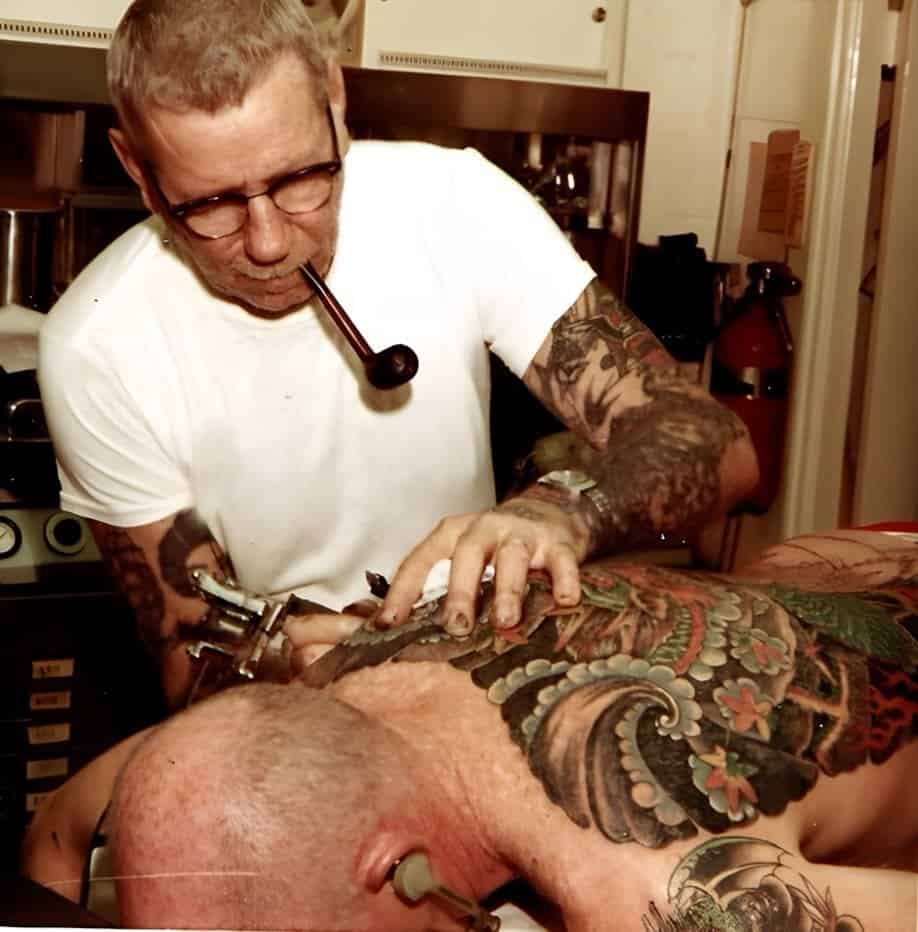
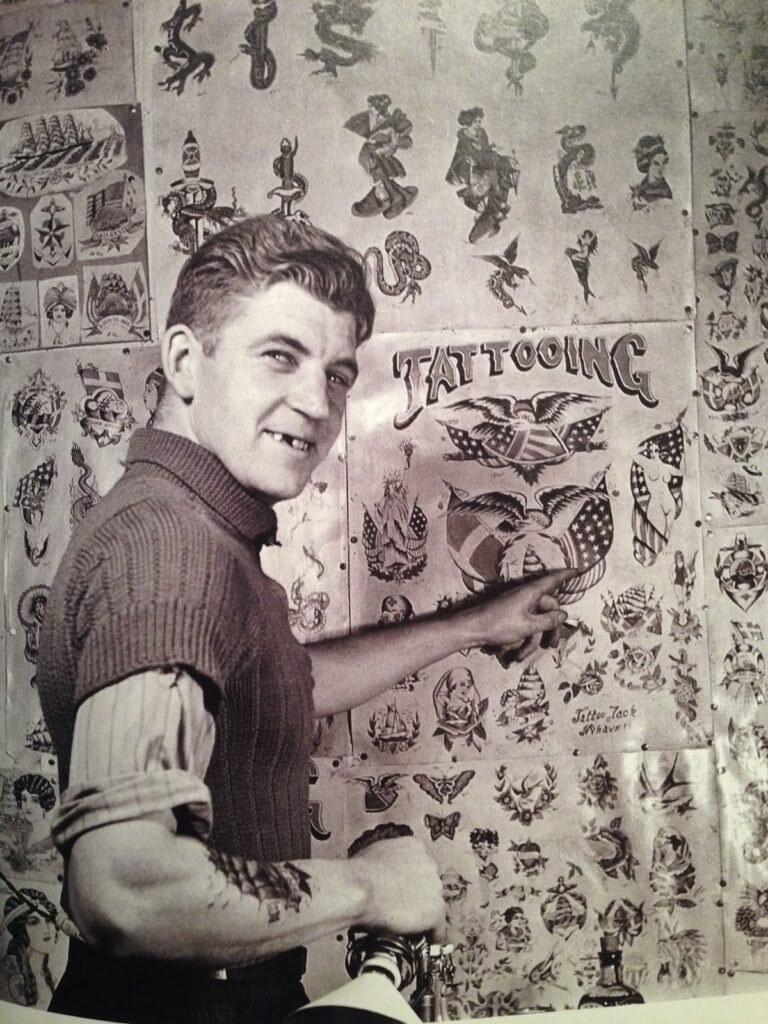
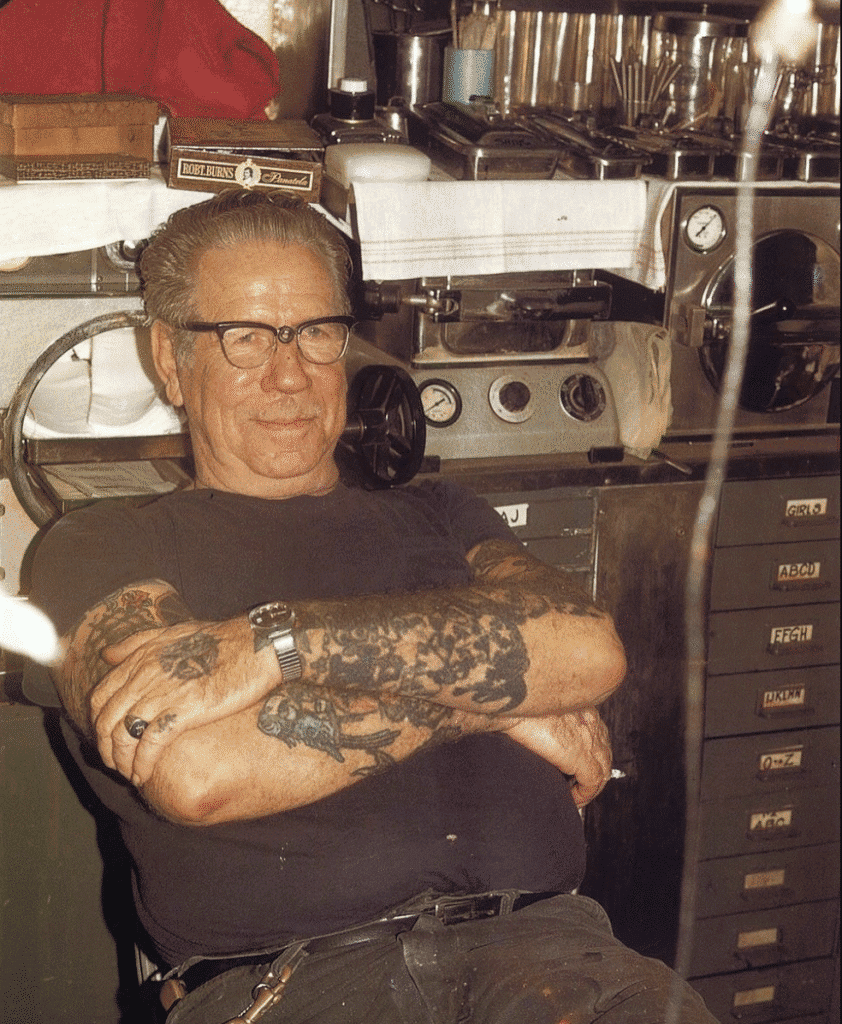
The person most credited with defining the Traditional Tattoo as we know it today is Norman “Sailor Jerry” Collins. Working in Honolulu during the 1930s and 40s, Sailor Jerry combined American, Asian, and maritime influences into his designs.
He refined the art with bold outlines, simplified shading, and iconic motifs, ensuring his tattoos survived both the sun and salt of naval life.
His apprentices — most notably Ed Hardy and Mike Malone — later carried his techniques into mainstream tattoo culture, cementing Traditional Tattooing as an essential part of modern ink history.
The Defining Features of the Traditional Tattoo
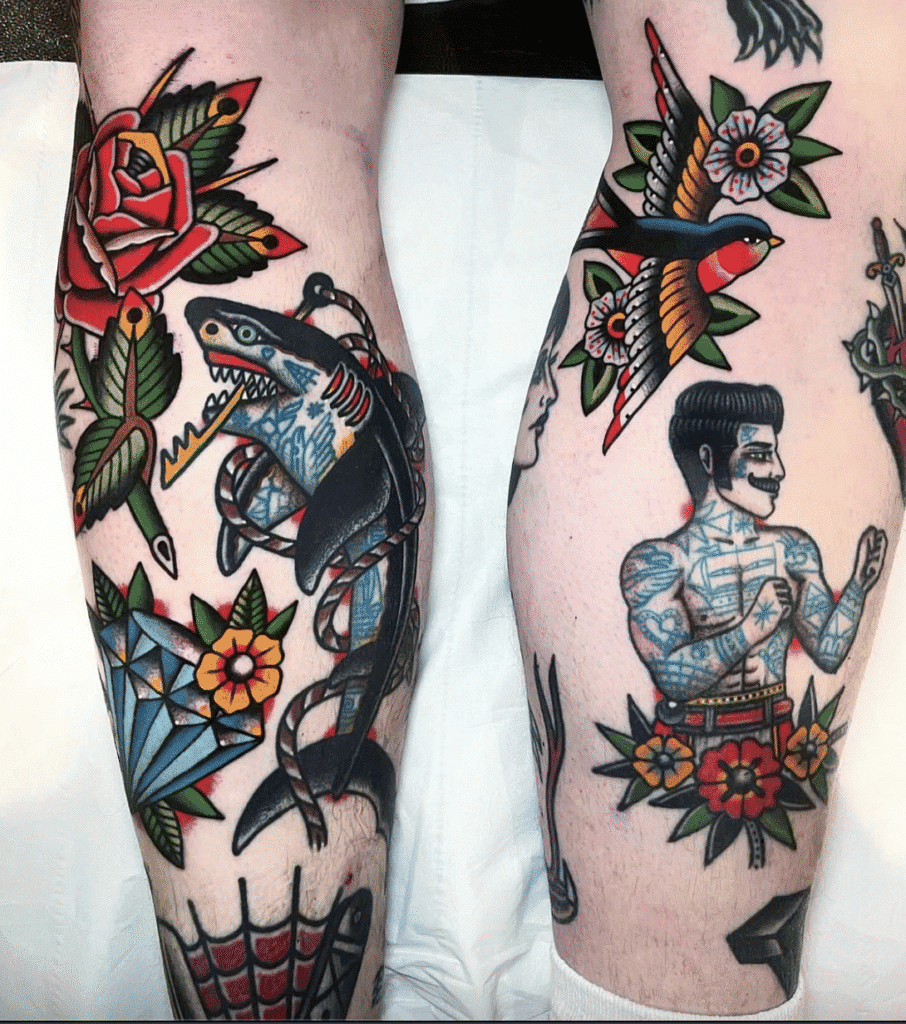
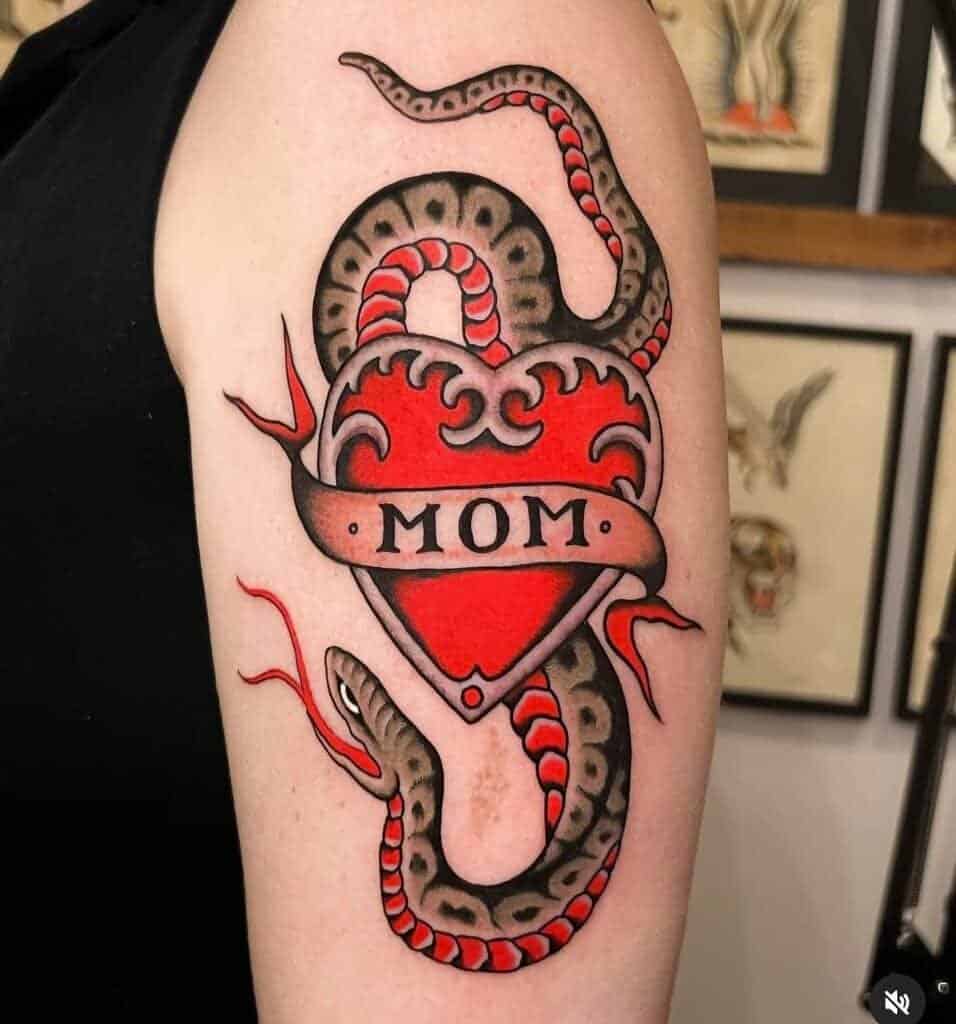
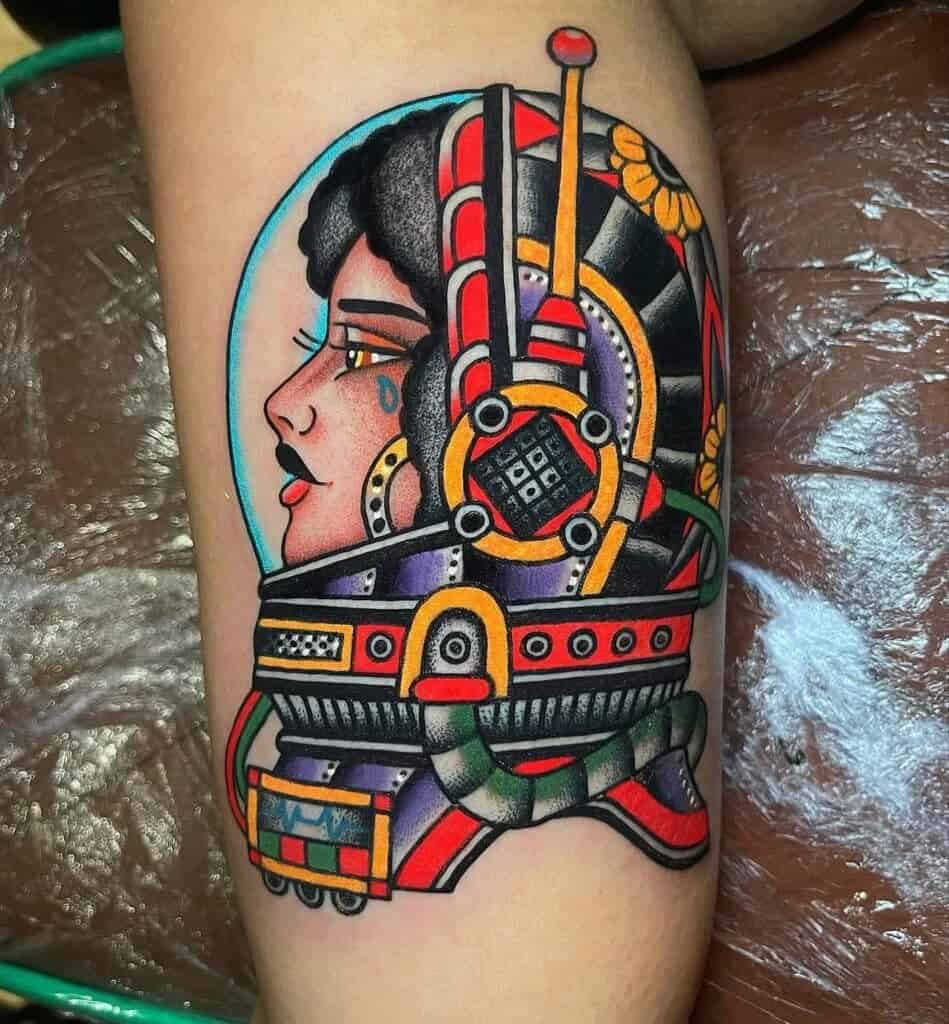
What sets the Traditional Tattoo apart isn’t just its look — it’s the philosophy behind its design.
1. Bold Black Outlines
Every Traditional Tattoo begins with thick, confident black lines. These create a strong structure and prevent the design from blurring over time. The outlines define the tattoo’s form, giving it timeless legibility.
2. Limited Colour Palette
Traditional tattoos typically use a small but powerful range of colours: red, yellow, green, and blue, with heavy black shading. This palette gives the tattoo its signature vintage feel.
3. Simplified Shapes
Unlike realism or illustrative styles, Traditional Tattoos don’t chase perfection. They simplify forms into readable, graphic symbols that look good from any angle — whether you’re a foot away or across a room.
4. Classic Imagery
From anchors to daggers, eagles to roses, the imagery in this style is steeped in symbolism and tradition. Each design tells a story, often rooted in courage, love, or survival.
5. Longevity and Durability
The Traditional Tattoo was built to last. Every design is crafted for the long term — a piece of art that remains striking even as the years pass.
The Meaning Behind Traditional Tattoos
Traditional tattoos are filled with symbolism. Every image carries a message — a memory, a value, or a piece of history.
Here are some of the most classic motifs and their meanings:
- Anchor: Stability, grounding, or connection to home.
- Swallow: Safe return, loyalty, or freedom of spirit.
- Rose: Love, beauty, and resilience.
- Dagger: Courage, betrayal, or sacrifice.
- Panther: Power, protection, and ferocity.
- Eagle: Honour, strength, and patriotism.
- Snake: Transformation, danger, or wisdom.
- Ship: Adventure, exploration, or life’s journey.
- Pin-up Girl: Desire, beauty, and nostalgia for wartime romance.
Each image in a Traditional Tattoo carries a timeless message, passed down through generations of sailors, soldiers, and artists.
The Technique Behind Traditional Tattooing
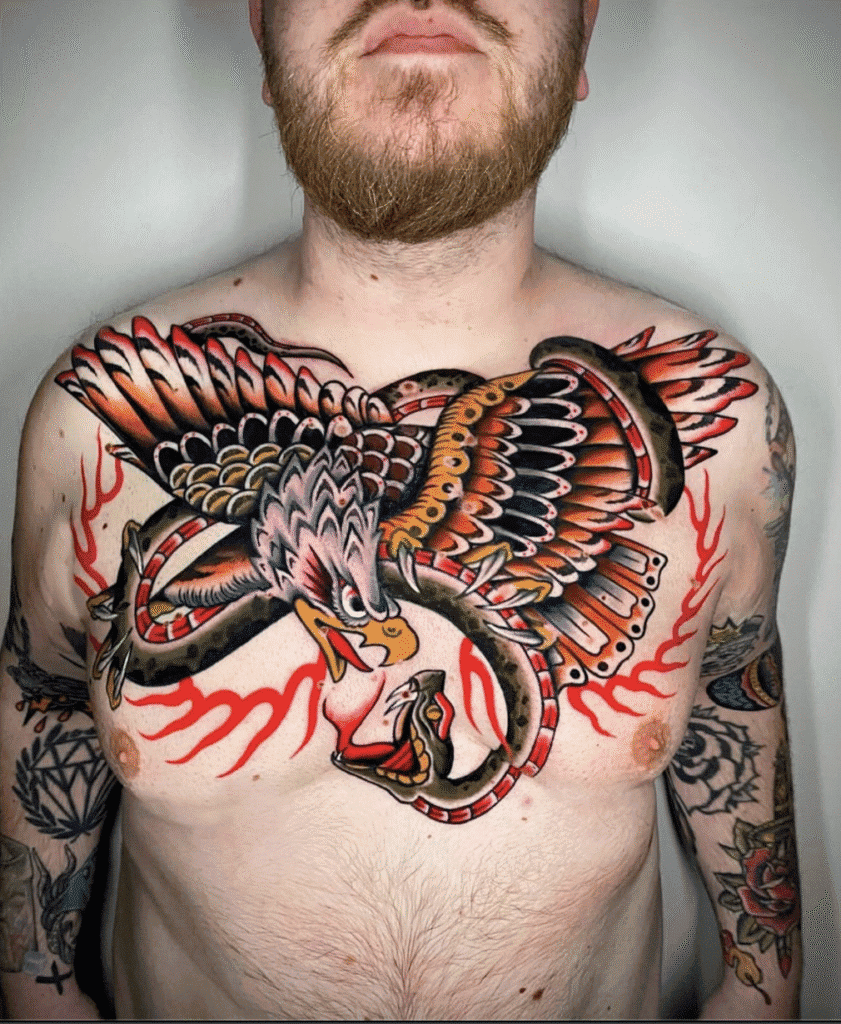
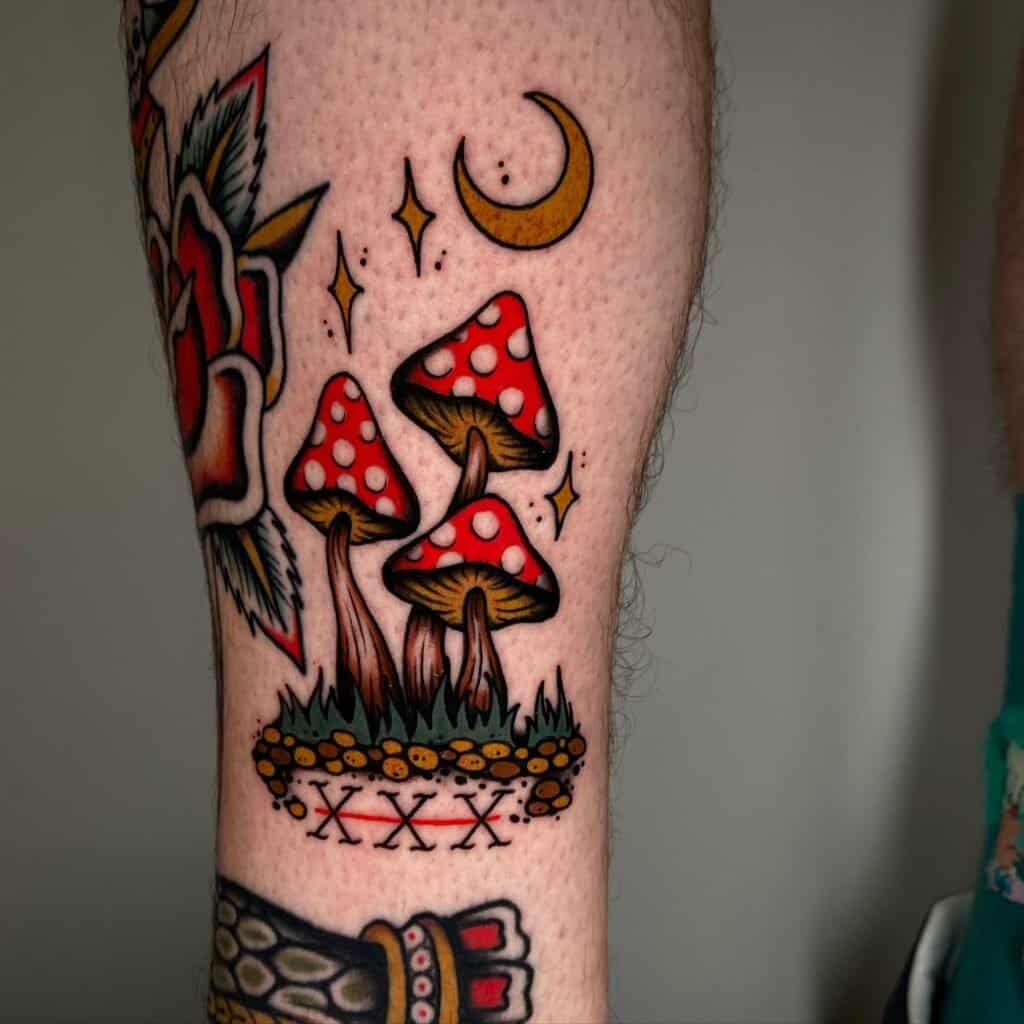
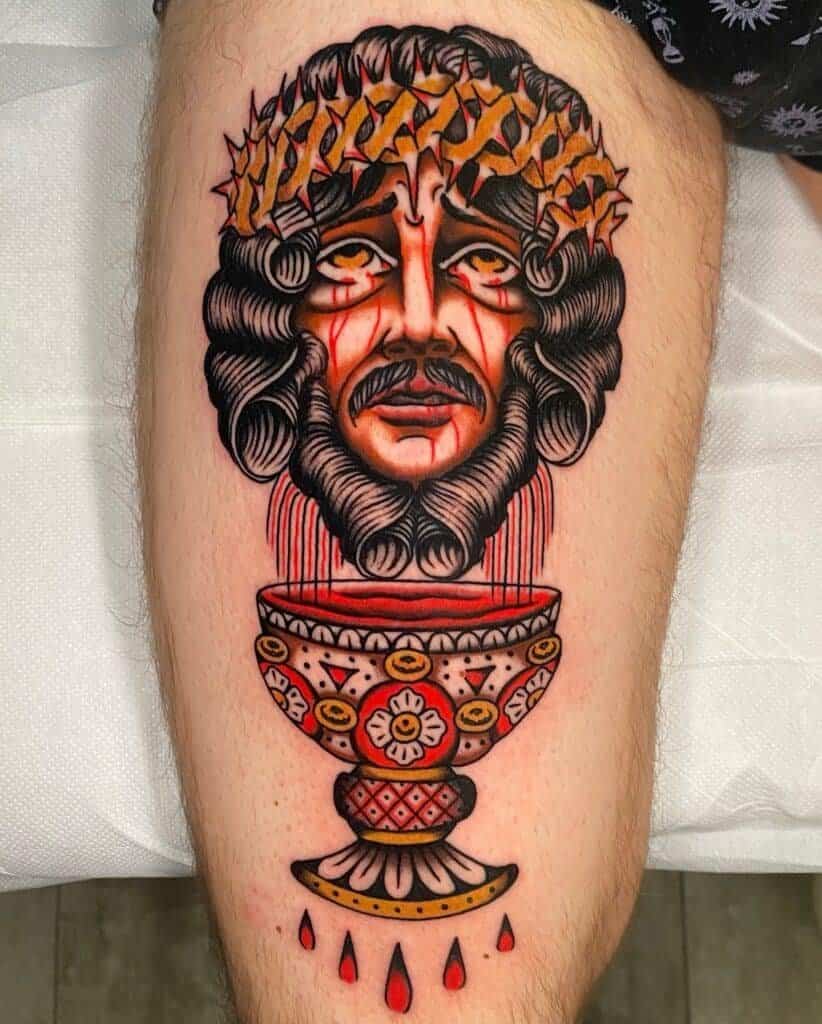
Creating a Traditional Tattoo might look simple at first glance, but it requires precision and mastery.
1. Design and Stencil
The artist starts with a hand-drawn design — often using flash sheets, which are pre-drawn collections of classic tattoo motifs. The stencil is applied to the skin to ensure clean placement and proportion.
2. Linework
Using bold, consistent pressure, the artist outlines the design with thick black ink. Every line must be confident and deliberate — there’s no hiding hesitation in this style.
3. Colour Packing
After the outline, the artist fills the design with solid colour using saturated inks. Blending is minimal; the power lies in the flat, unapologetic contrast between hues.
4. Shading and Highlights
Traditional shading is simple — usually done with black or dark tones to create dimension. Highlights are often left as untouched skin, providing a natural contrast that ages beautifully.
5. Aftercare
Like all tattoos, proper aftercare is essential. Keeping it clean, moisturised, and protected from sunlight ensures the colours remain vibrant for years.
Why People Choose Traditional Tattoos
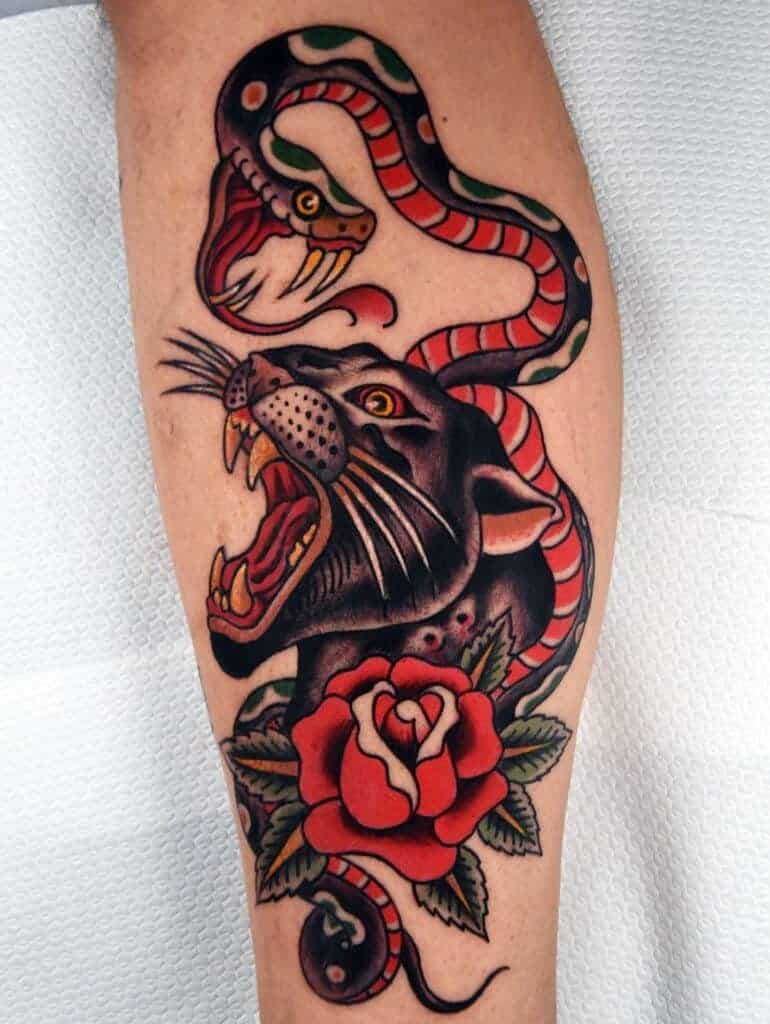
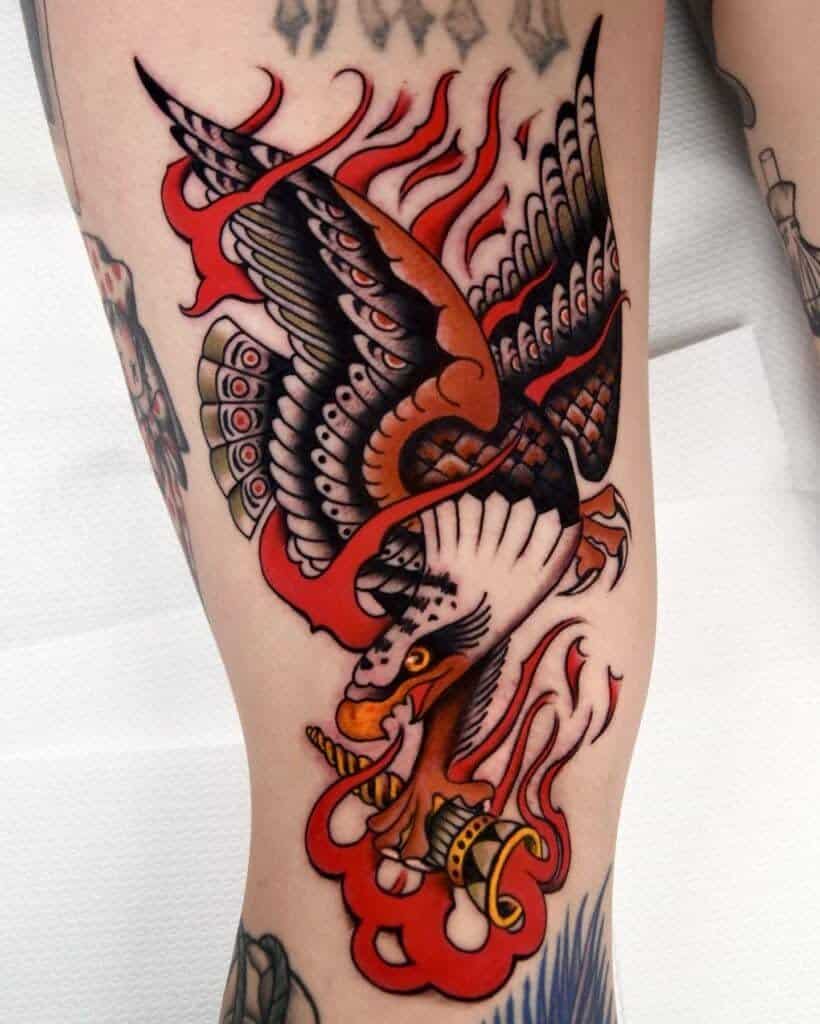
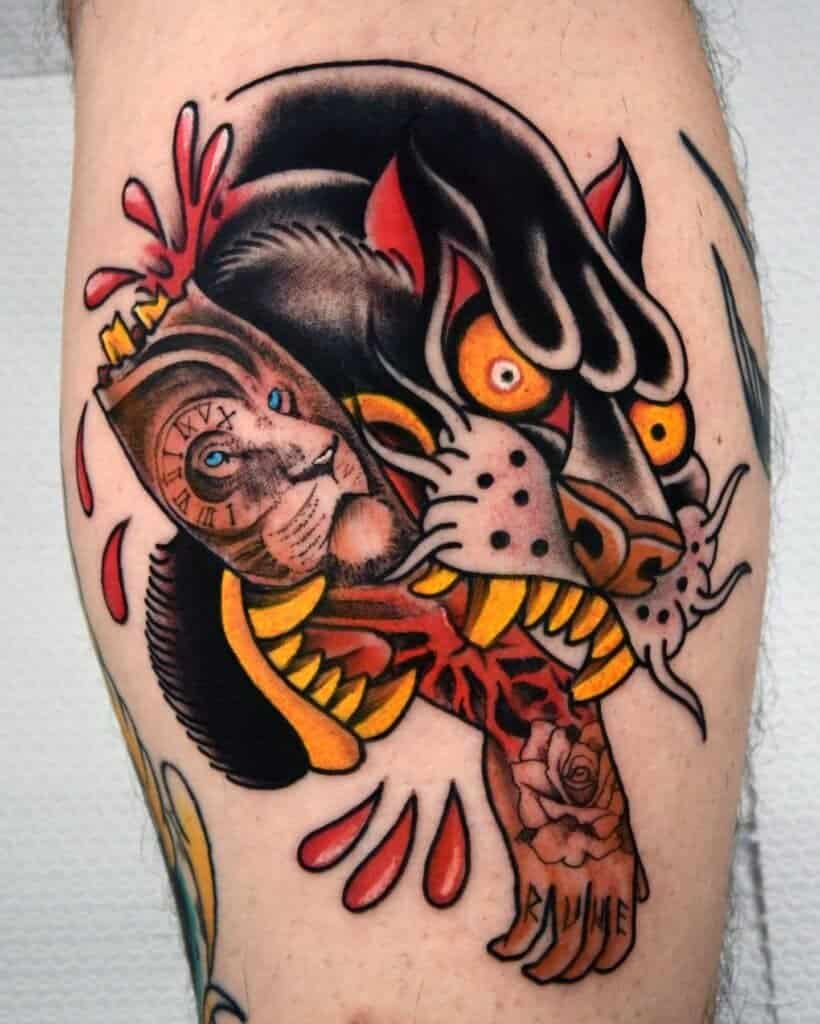
The appeal of the Traditional Tattoo goes far beyond nostalgia. It’s a celebration of strength, authenticity, and timeless art.
For many, Traditional Tattoos are a nod to history — a tribute to the sailors and rebels who made tattooing a form of personal expression. For others, it’s the aesthetic simplicity — clean lines, bold colours, and clear meaning.
This style also represents loyalty to tradition — a respect for tattooing’s origins and a belief in doing things the right way, without unnecessary embellishment.
The Modern Evolution of the Traditional Tattoo
While the classic look remains popular, modern artists have found creative ways to reinterpret the Traditional Tattoo.
- Neo-Traditional Tattoos build upon the foundation of Traditional art but add more shading, detail, and broader colour palettes.
- Blackwork Traditional strips away colour entirely, focusing on contrast and form.
- Feminine Traditional reimagines classic symbols with softer palettes or contemporary twists.
These evolutions prove that while the Traditional Tattoo honours its past, it continues to inspire new generations of artists and wearers.
The Emotional and Cultural Significance
The Traditional Tattoo is more than just a style — it’s a cultural statement. It represents individuality, resilience, and belonging.
Historically, tattoos were worn by outcasts — sailors, bikers, soldiers, and rebels who lived on the fringes of society. Today, that rebellious spirit remains, but it’s joined by a deeper appreciation for craftsmanship and heritage.
For many, getting a Traditional Tattoo is like joining a lineage — becoming part of a story that began more than a century ago and continues to evolve with every new piece of ink.
Placement and Body Flow
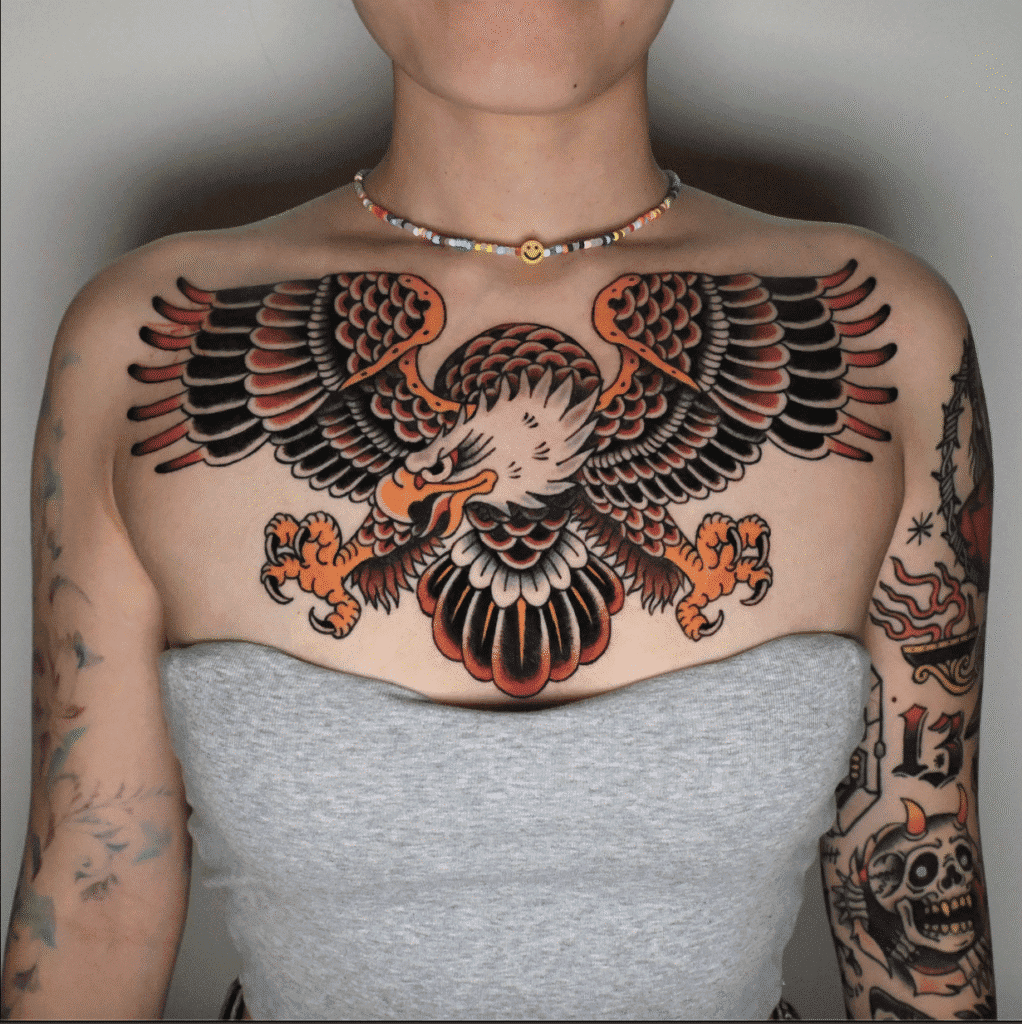
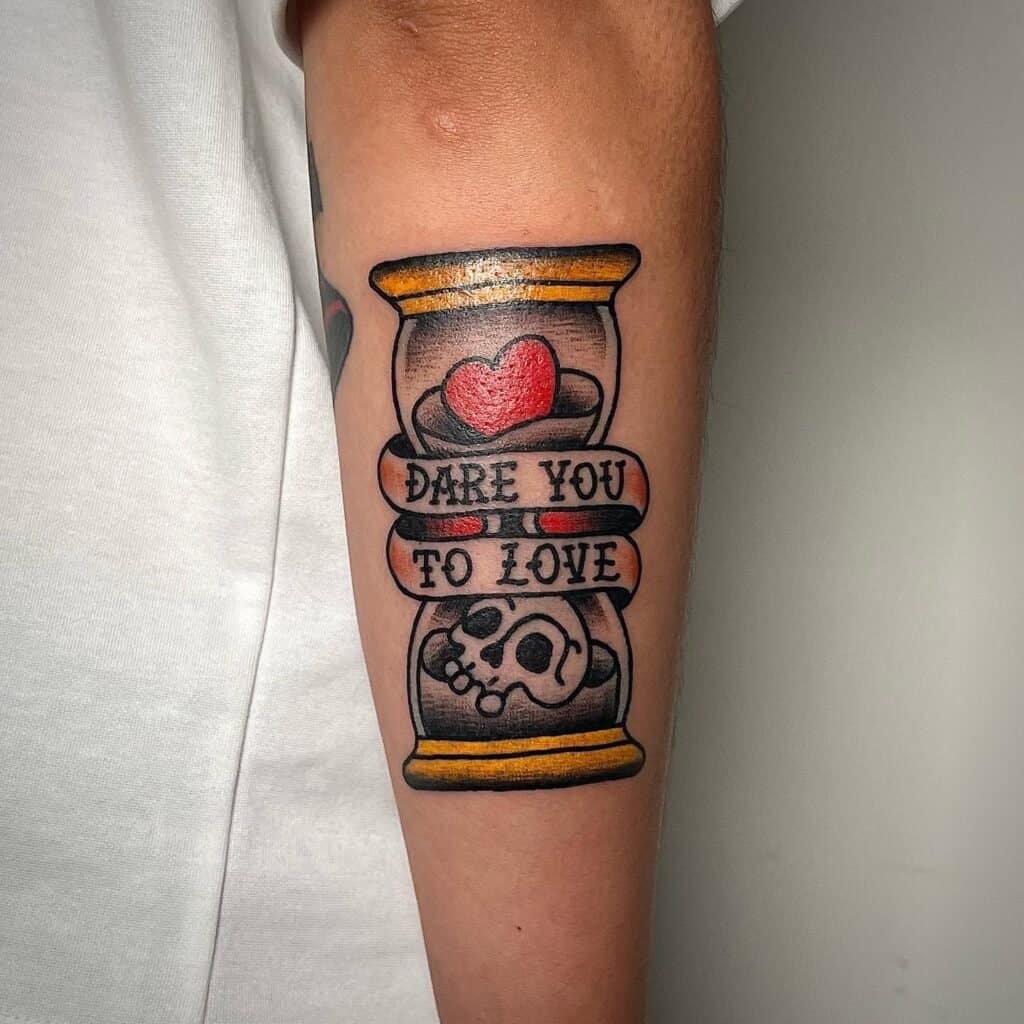
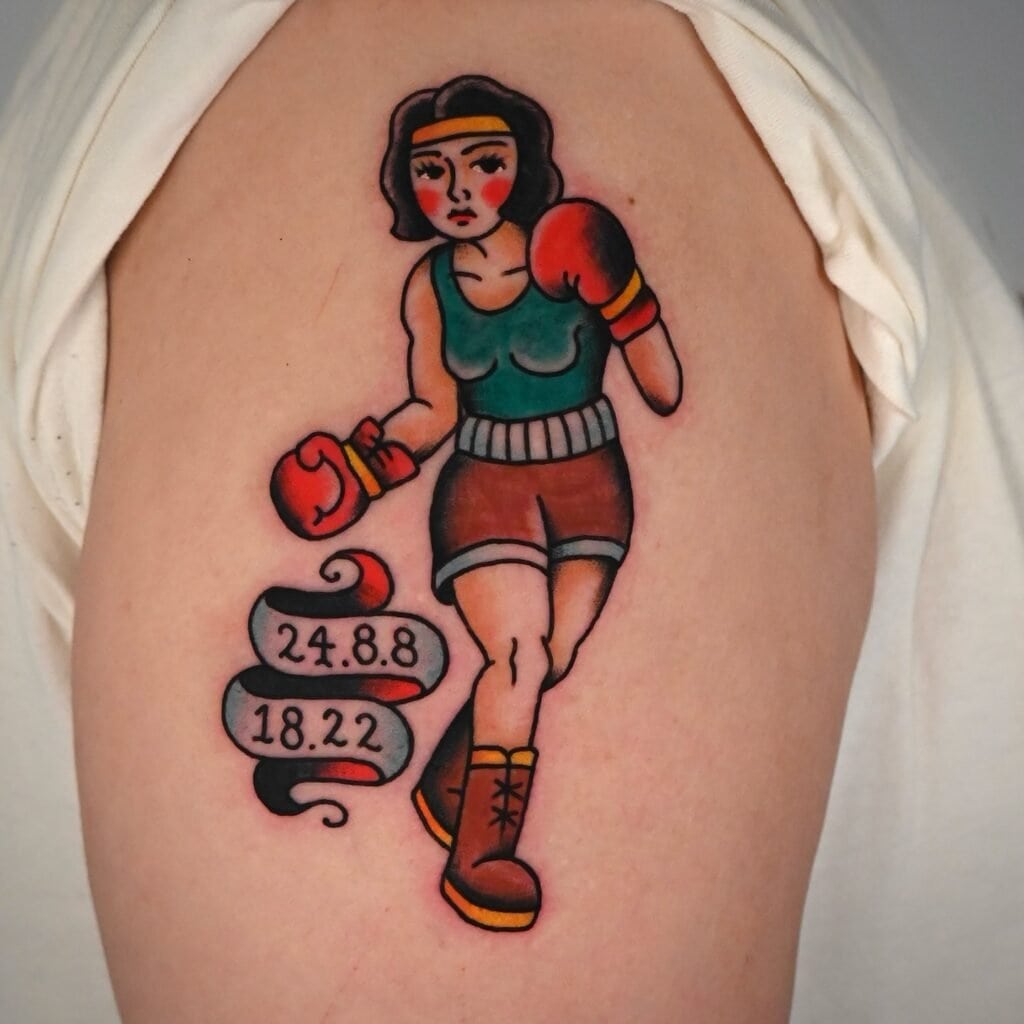
Traditional Tattoos work beautifully across nearly any area of the body, but placement often depends on the chosen design.
- Arms and shoulders are ideal for nautical or animal motifs.
- Chest and back allow larger, more dramatic compositions like eagles or ships.
- Legs and thighs suit classic flash imagery — daggers, roses, or swallows.
- Hands and necks, once reserved for the brave and rebellious, are now celebrated placements for those proud of their art.
Each placement can tell a different story, with designs often layered over time to create a cohesive, vintage-style sleeve or body collection.
Finding the Right Artist
Because of its distinctive rules and heritage, finding the right artist is key to getting a perfect Traditional Tattoo.
The best artists have a deep respect for the style’s origins and understand how to balance boldness with clarity. They should be skilled in solid linework, consistent colour packing, and design composition that flows naturally with the body.
When searching for an artist, ask to see their portfolio and look for authenticity in their approach. The lines should be clean, the colours bright, and the imagery recognisably classic — not overcomplicated or overblended.
A true Traditional Tattoo artist is both historian and craftsman, someone who keeps the spirit of the past alive with every needle stroke while giving it a personal touch that feels timeless.
Talented Traditional Tattoo Artists
1. timo_lei_tattoo
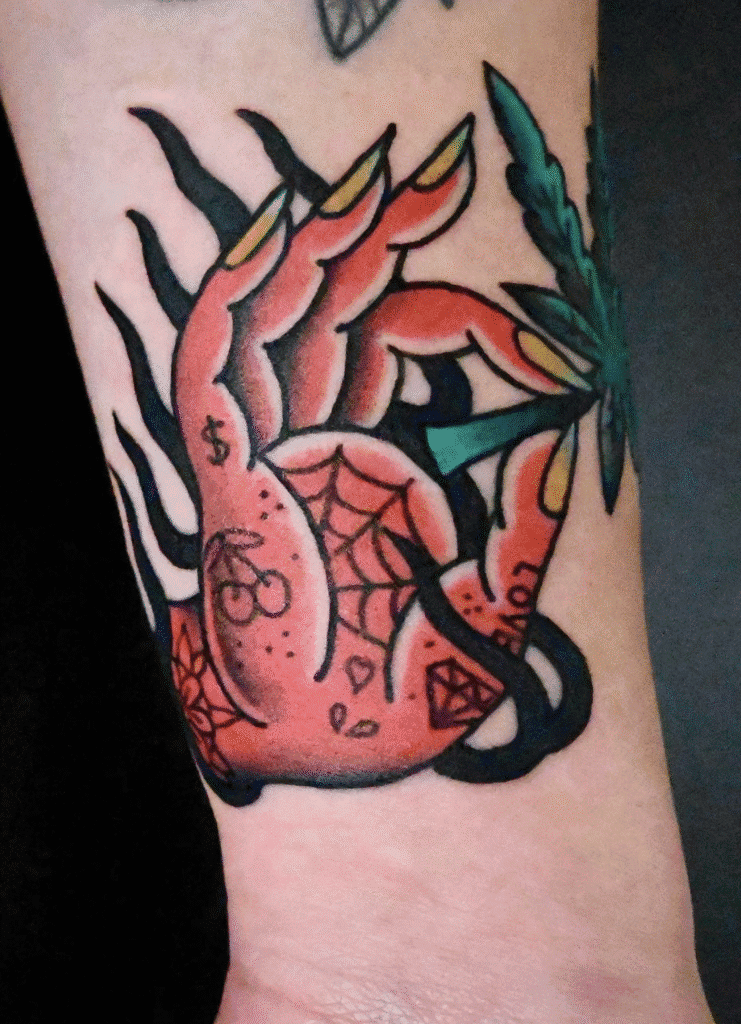
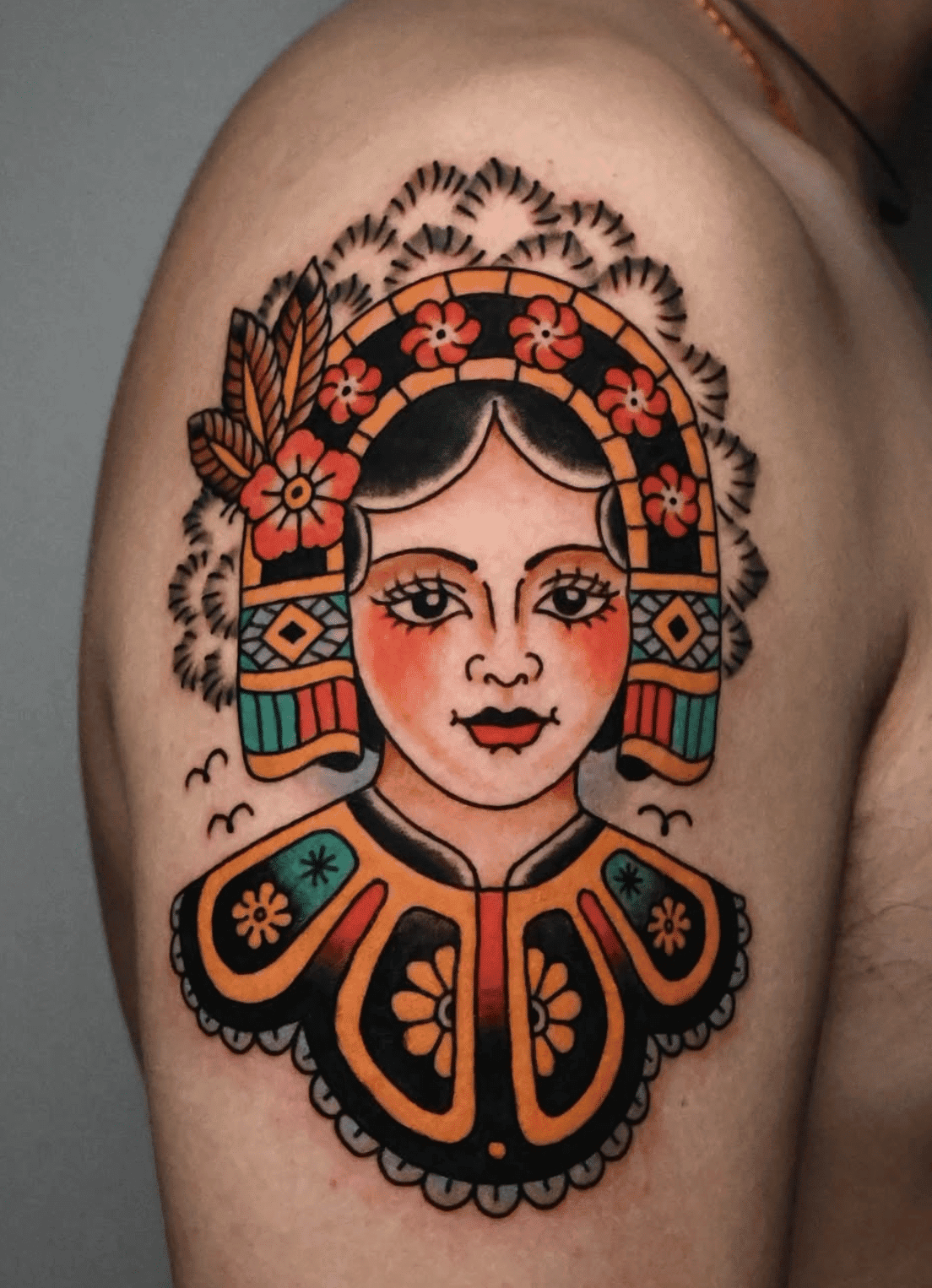
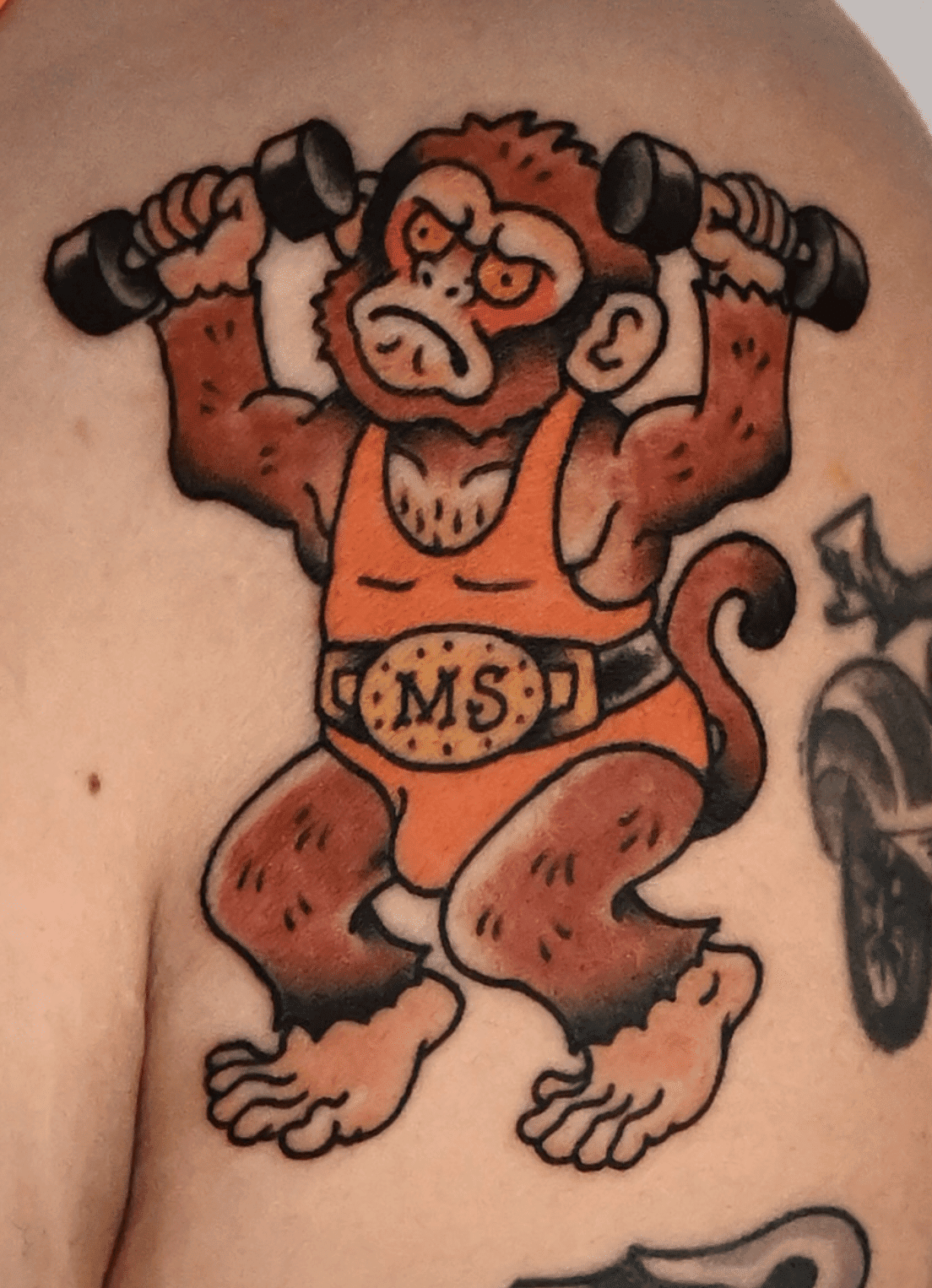
2. kjptattoo
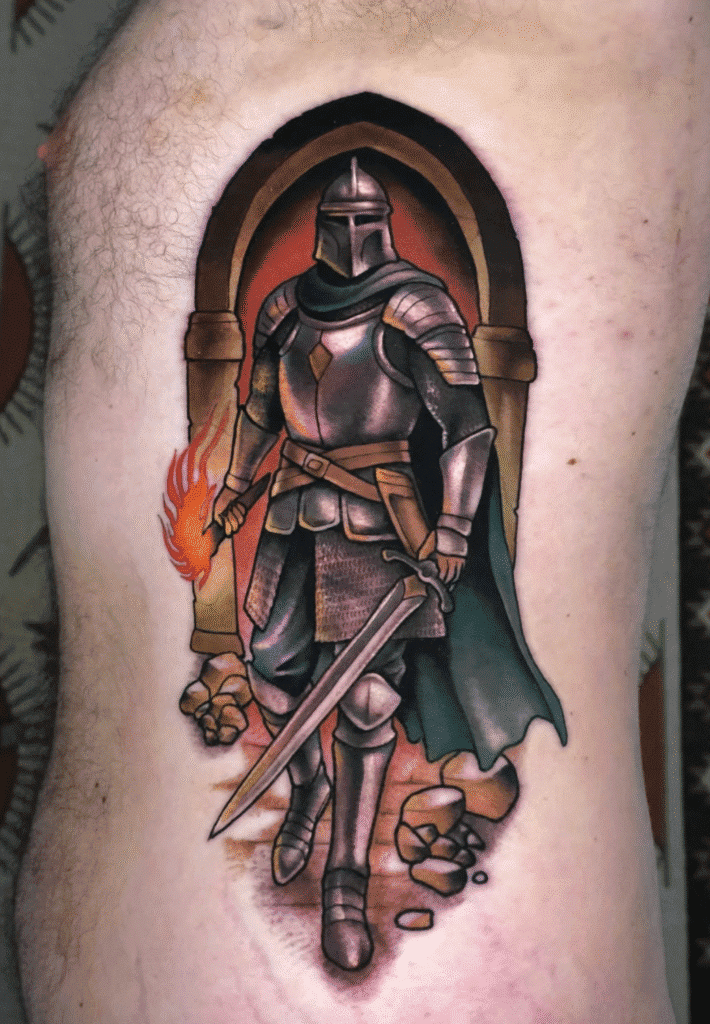
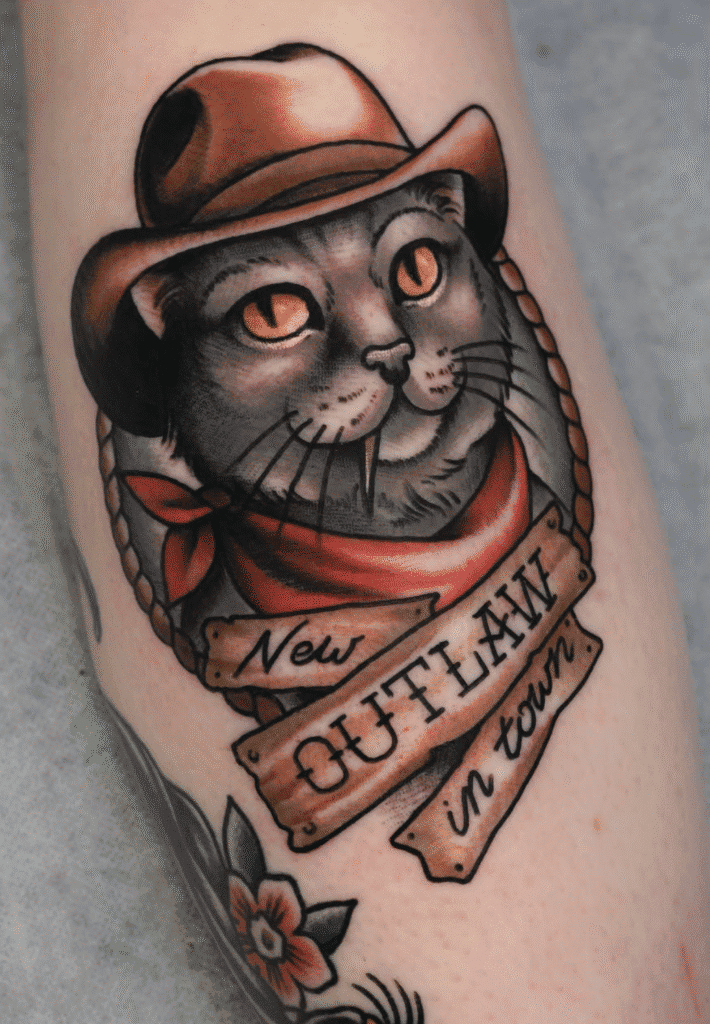
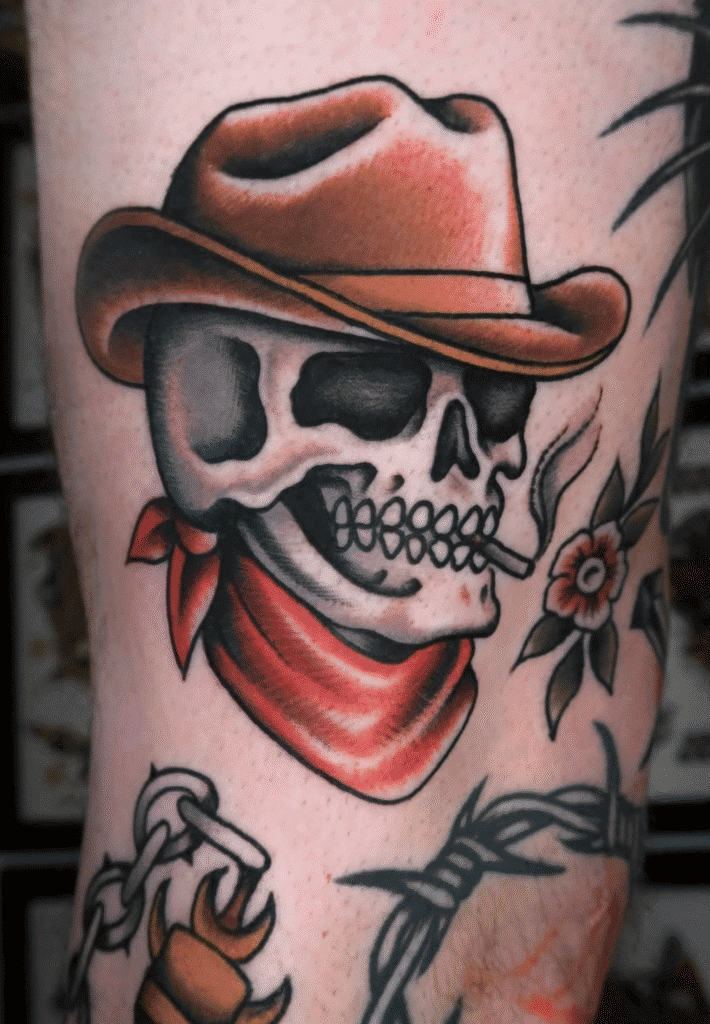
3. ninja.v.herr
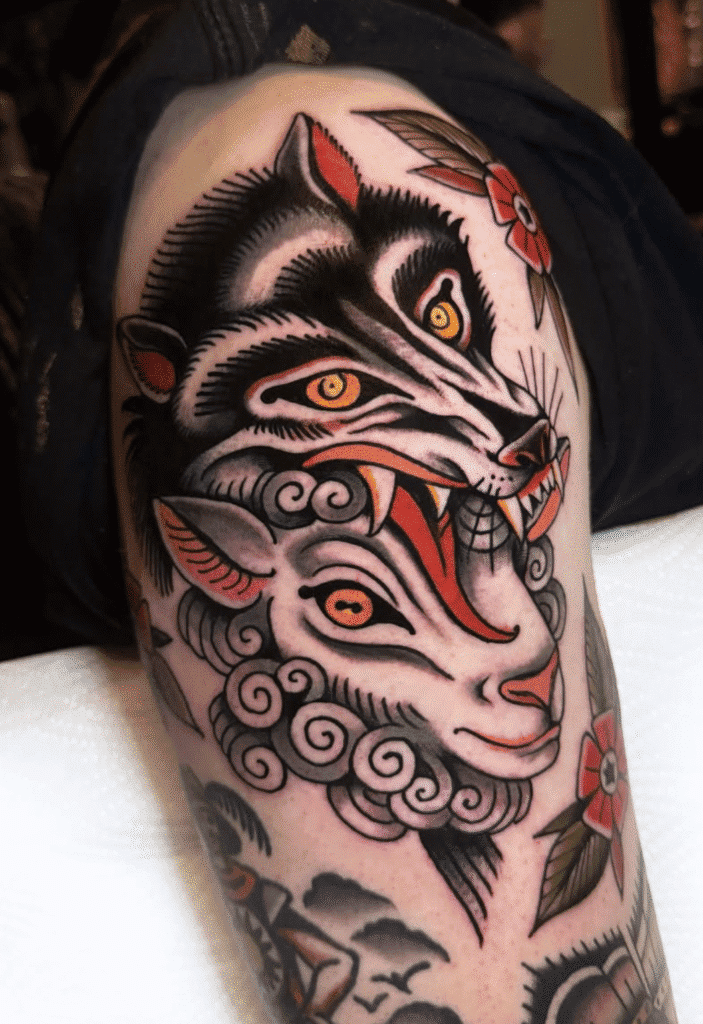
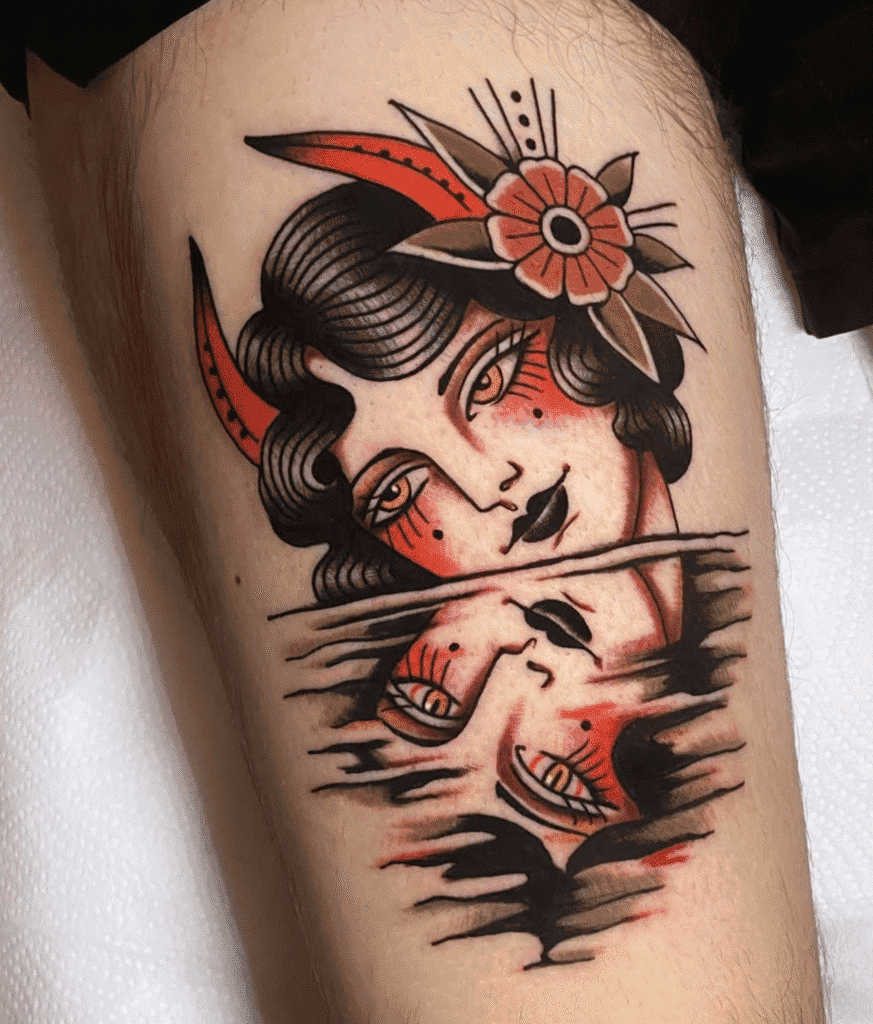
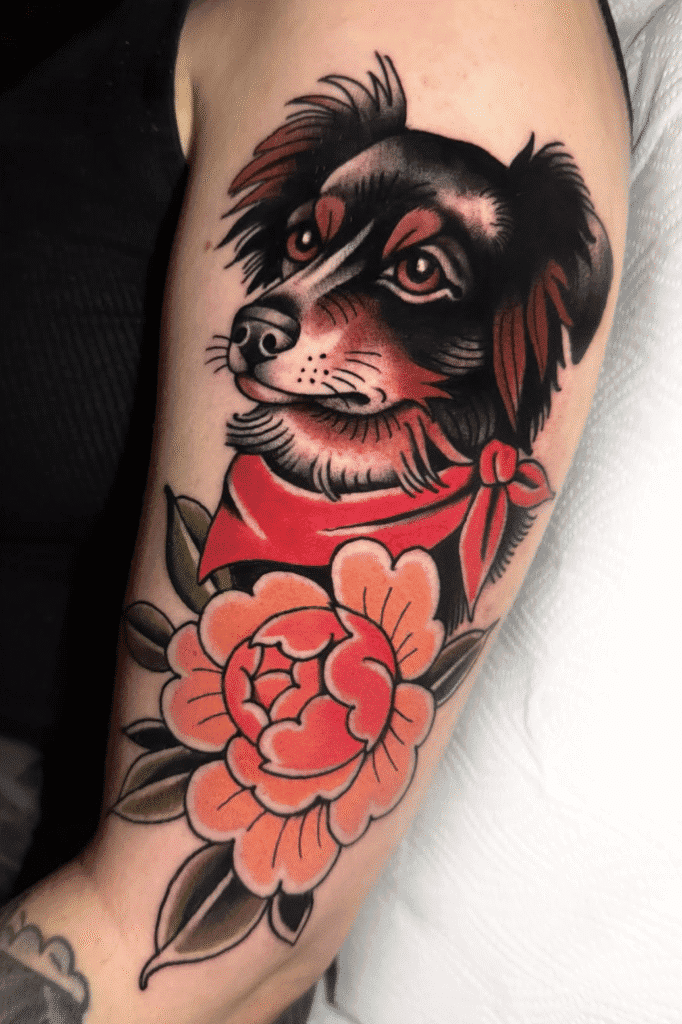
4. andreshenao.tatt


5. buzzart__
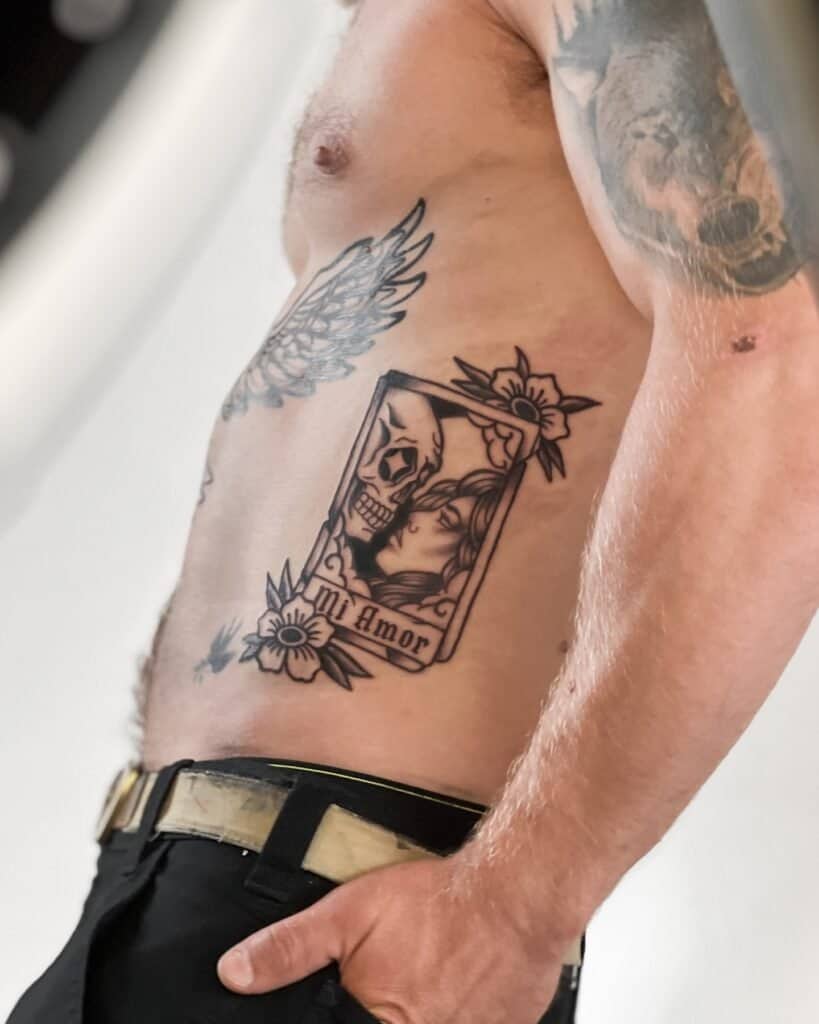
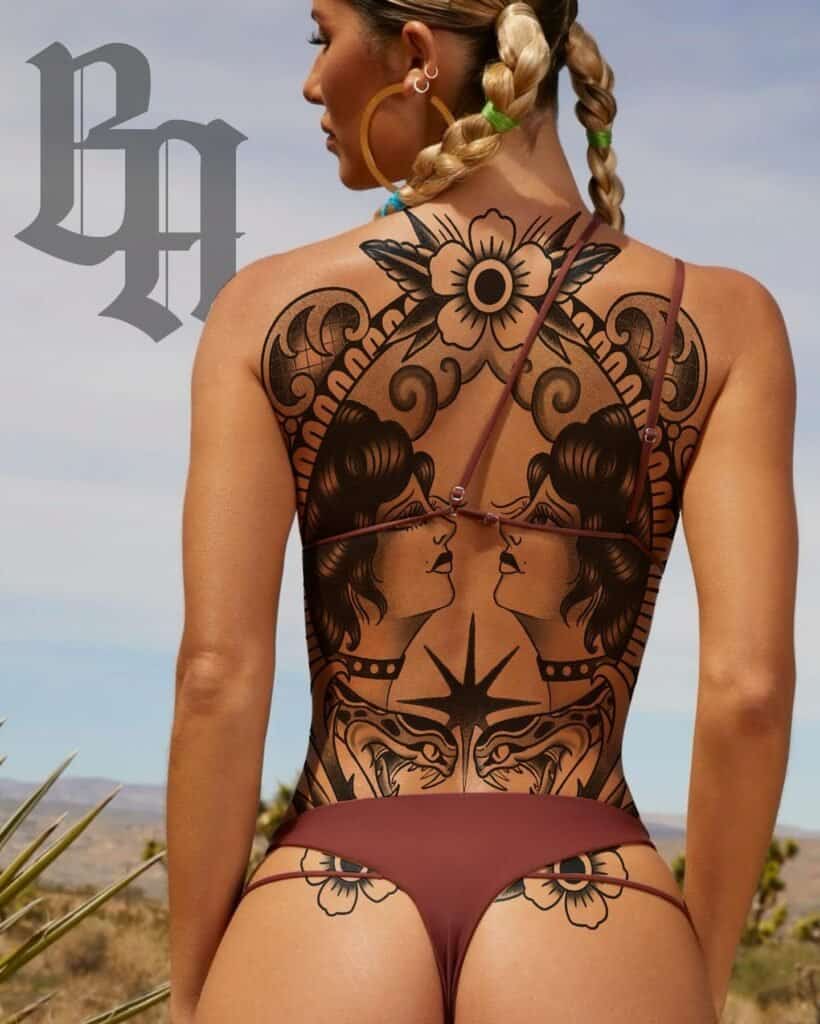
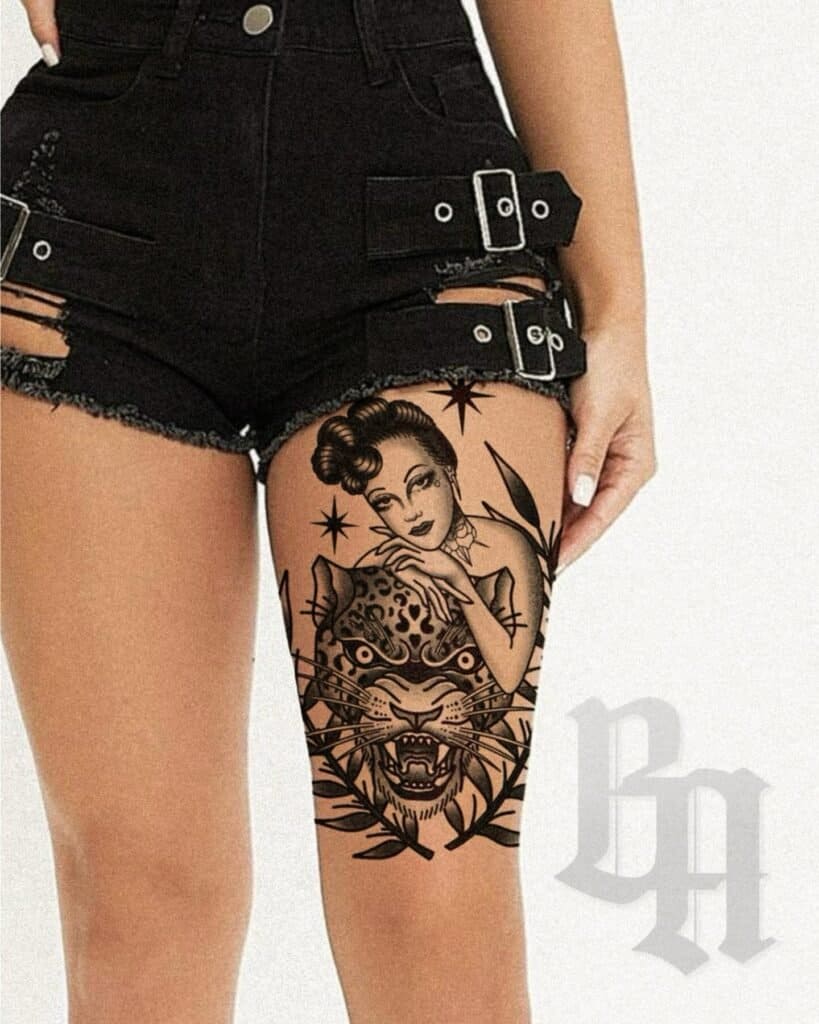
The Longevity of Traditional Tattoos
One of the greatest advantages of a Traditional Tattoo is its ability to age gracefully. Thanks to the bold outlines and saturated colours, these tattoos maintain their clarity and vibrancy for decades.
Even as the skin changes with time, the design remains legible — which is why this style has endured for more than a century. In fact, the fading and softening that occur naturally often enhance the vintage feel, adding character and authenticity to the piece.
The Enduring Legacy of Traditional Tattoos
Few tattoo styles have achieved the level of influence and respect that the Traditional Tattoo commands. Its boldness, simplicity, and storytelling continue to inspire not only tattoo artists but also graphic designers, illustrators, and painters.
It’s more than a design style, it’s a cultural icon, symbolising the enduring spirit of self-expression, freedom, and craftsmanship.
The Traditional Tattoo reminds us that true artistry doesn’t need to chase trends. Sometimes, all it takes is a bold line, a simple symbol, and the courage to wear your story proudly.
Final Thoughts
The Traditional Tattoo is where tattooing found its visual voice, bold, defiant, and timeless. From the sailors of the high seas to the modern enthusiasts walking into tattoo studios today, its message remains the same: strength, identity, and legacy.
Every anchor, rose, and dagger carries a piece of history, inked into skin and soul alike. It’s a reminder that some things never fade, they just grow richer with time.
- Best Tattoo Travel Cases For Tattoo Artists - March 27, 2026
- Best Tattoo Studio Decor Ideas - February 10, 2026
- Celtic and Nordic Tattoo Style - December 17, 2025


