
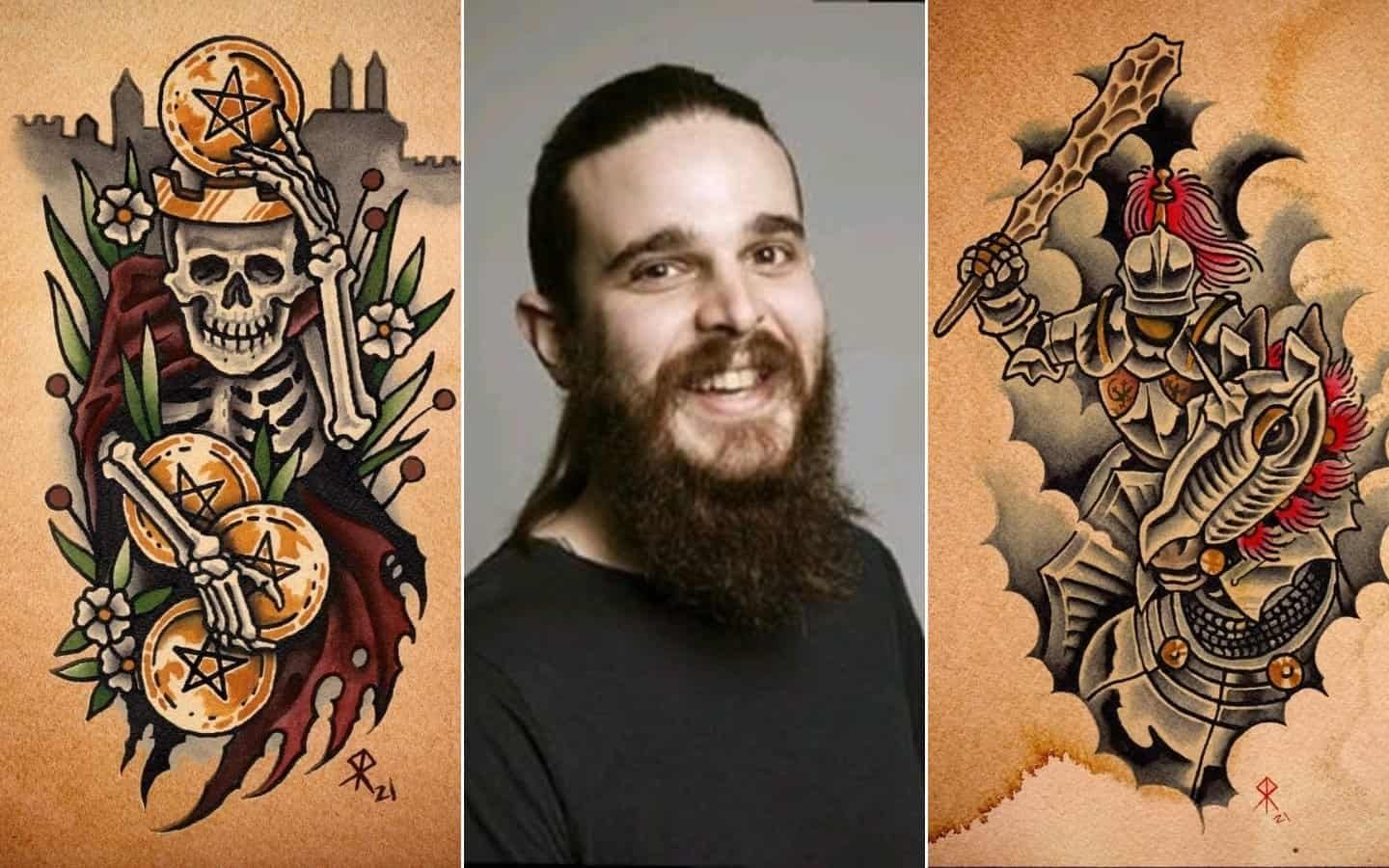
rockinrobertart
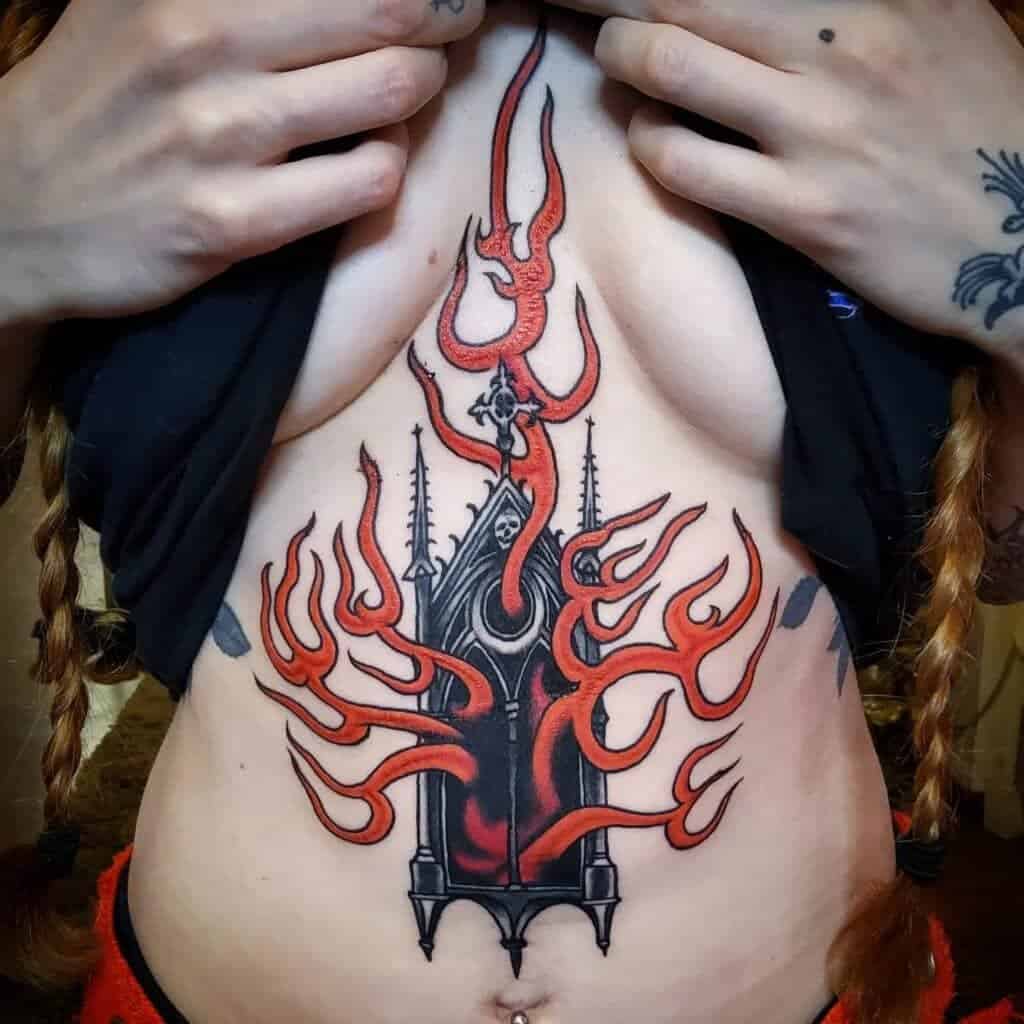
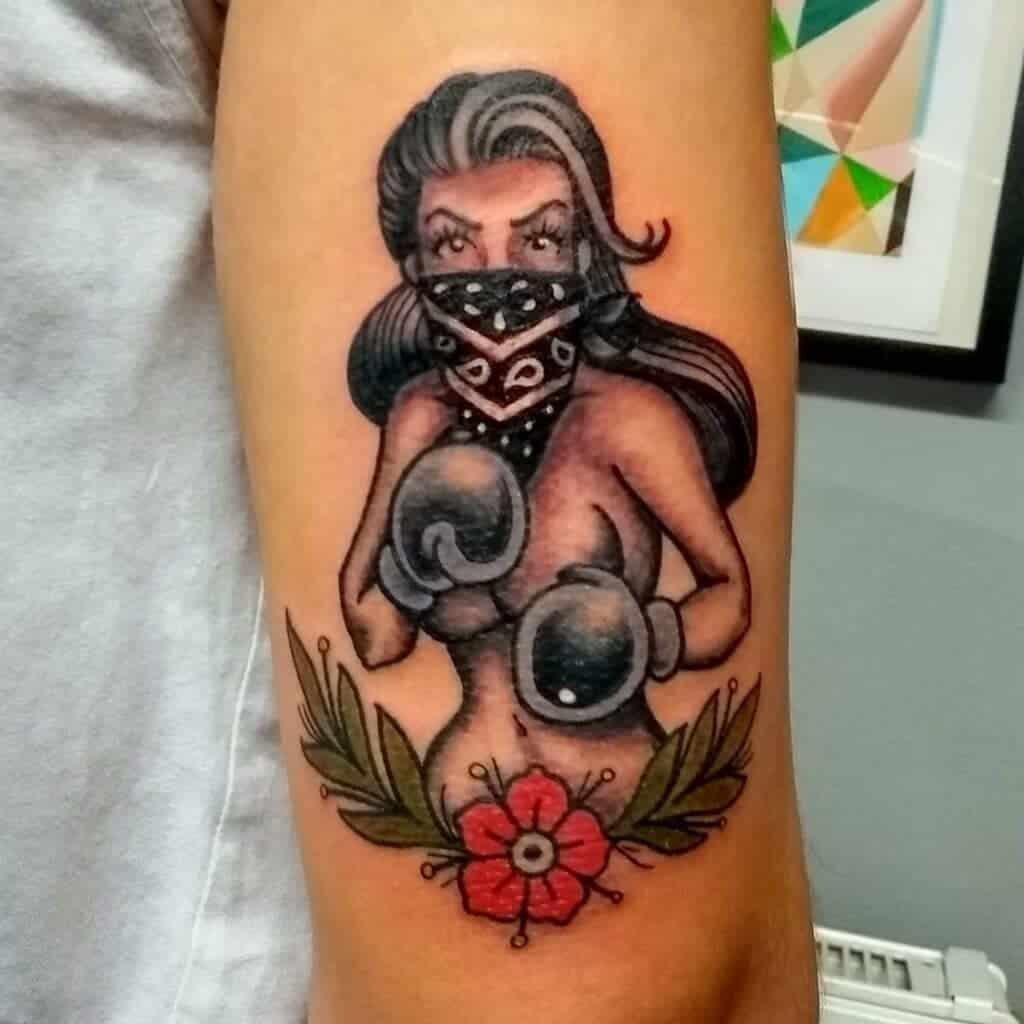
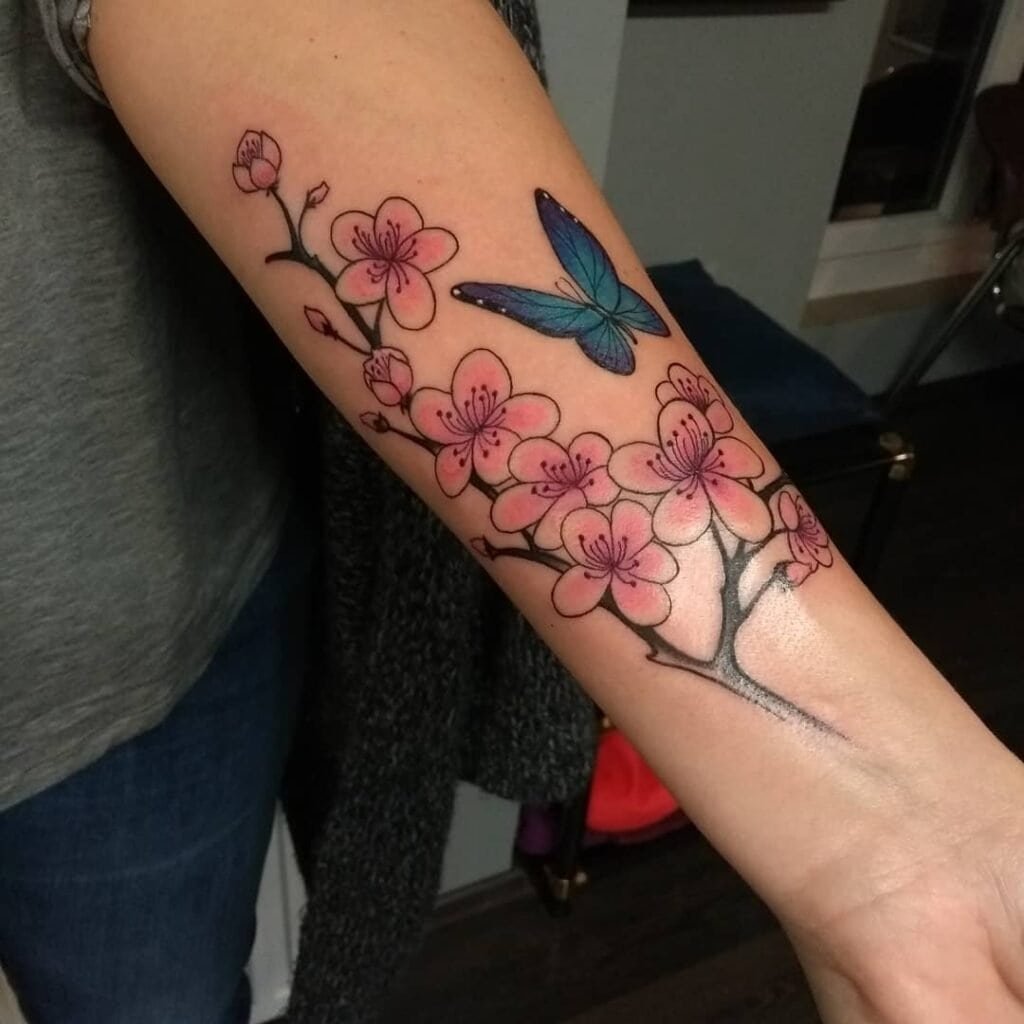
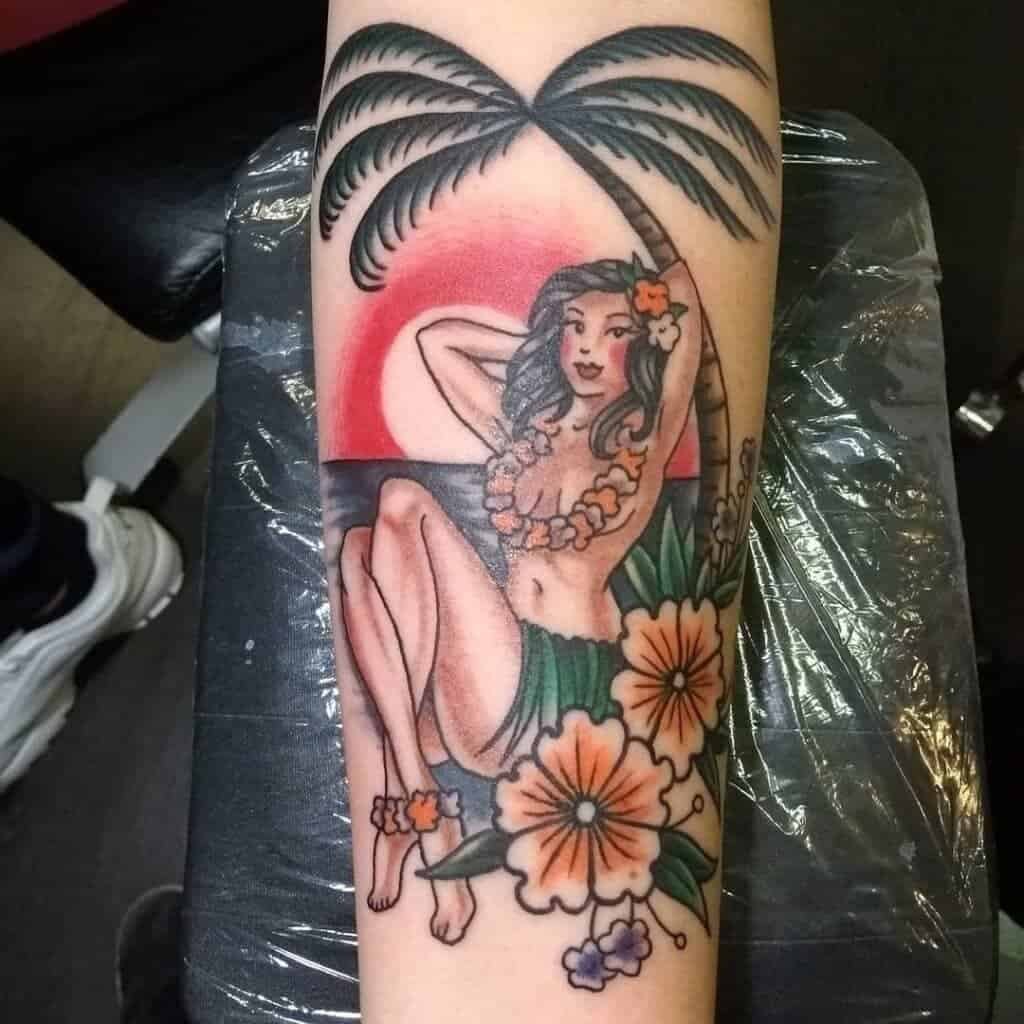
Robert Rašić a.k.a. rockinrobertart is a tattoo artist whose work balances classic tattoo foundations with dark, illustrative fantasy influences.
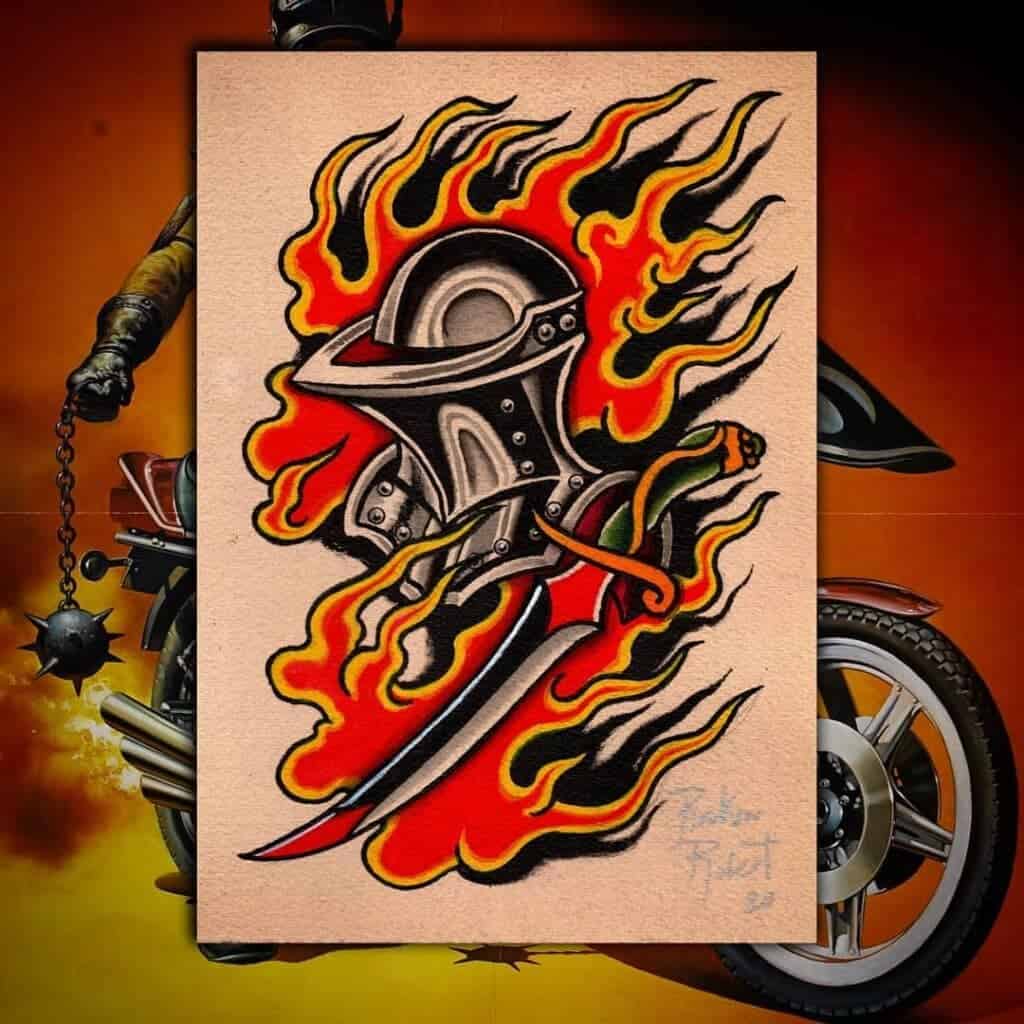
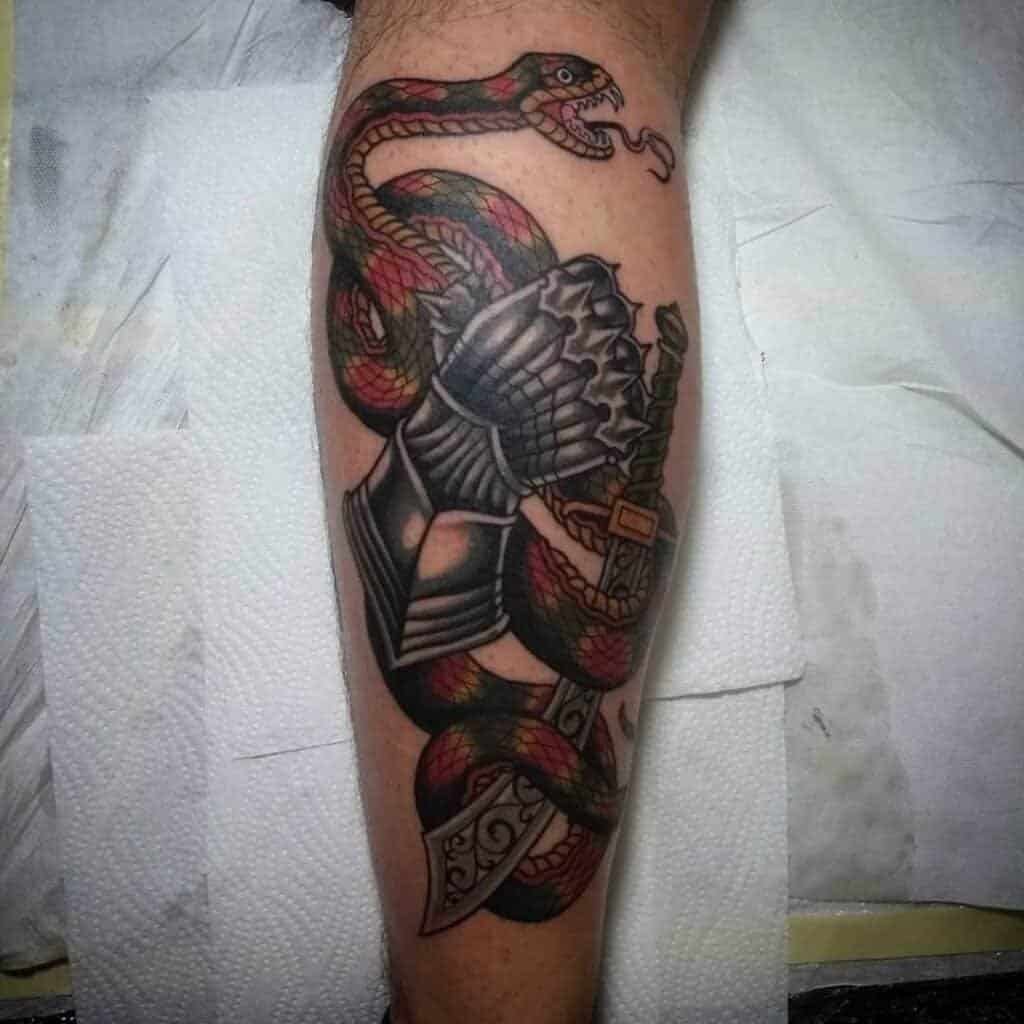
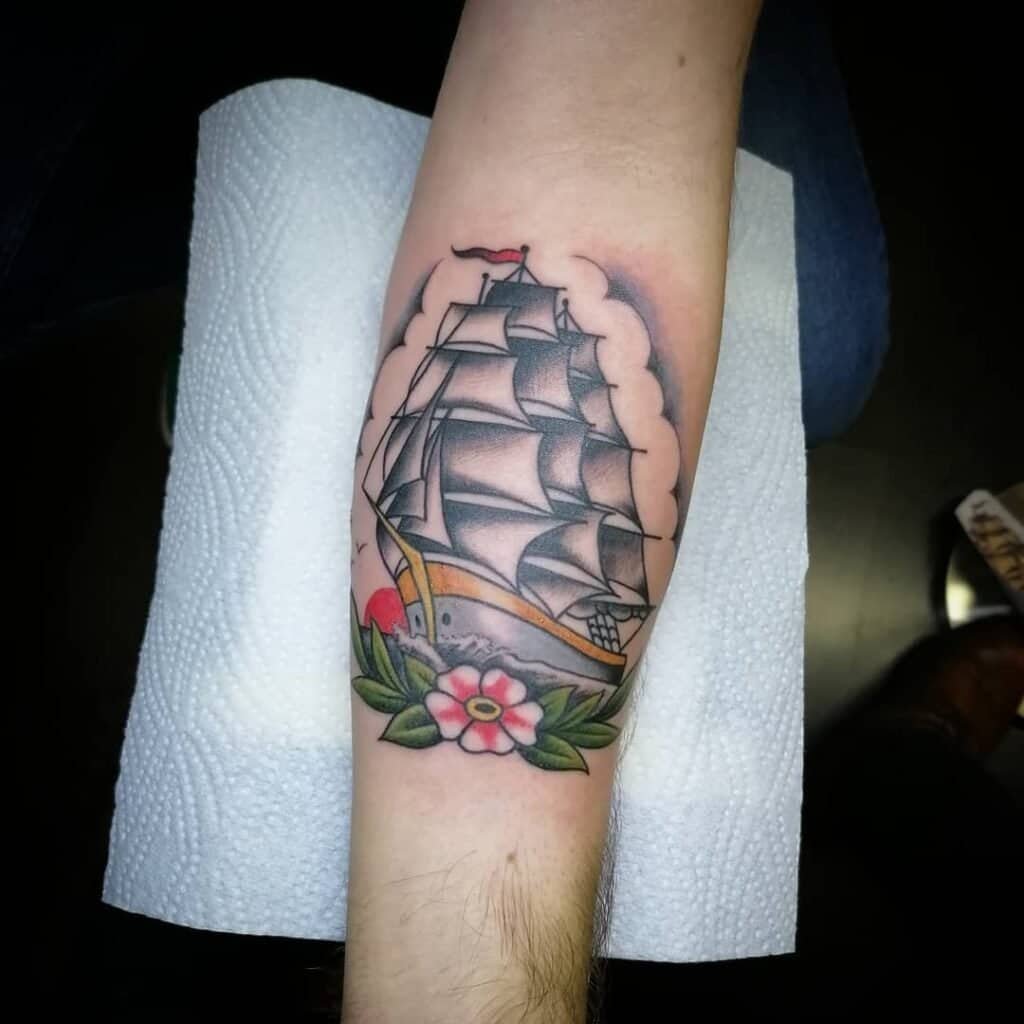
Rooted in traditional tattooing but unafraid to push into more intense and dramatic territory, his tattoos are defined by bold outlines, strong colour palettes, and scenes that often explore violence, power, and conflict.
Rather than boxing himself into a neatly defined category, Robert believes style is something best judged by the viewer — not declared by the artist.


“I believe style identification should be left to viewers, critics, and clients. Self-advertising as a specific style to reach a niche audience is more of a post-social media phenomenon.”
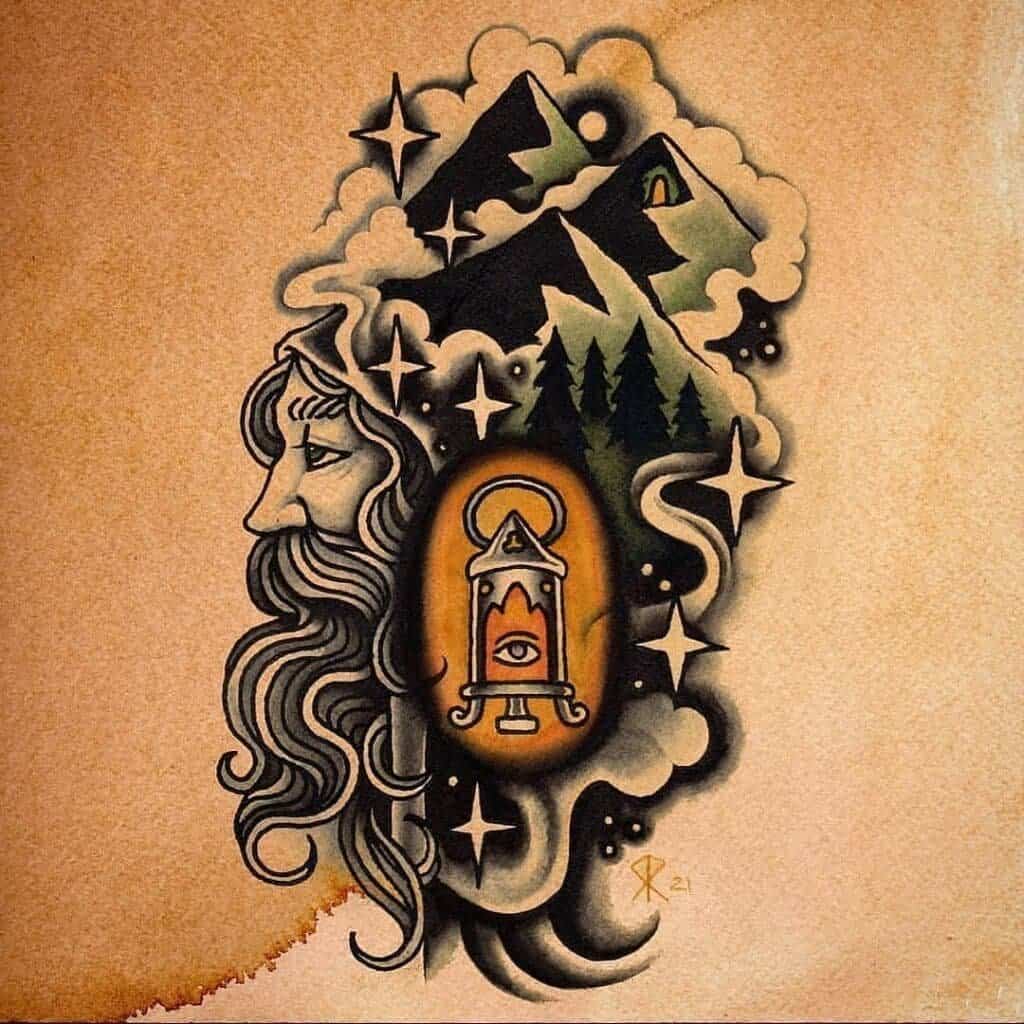
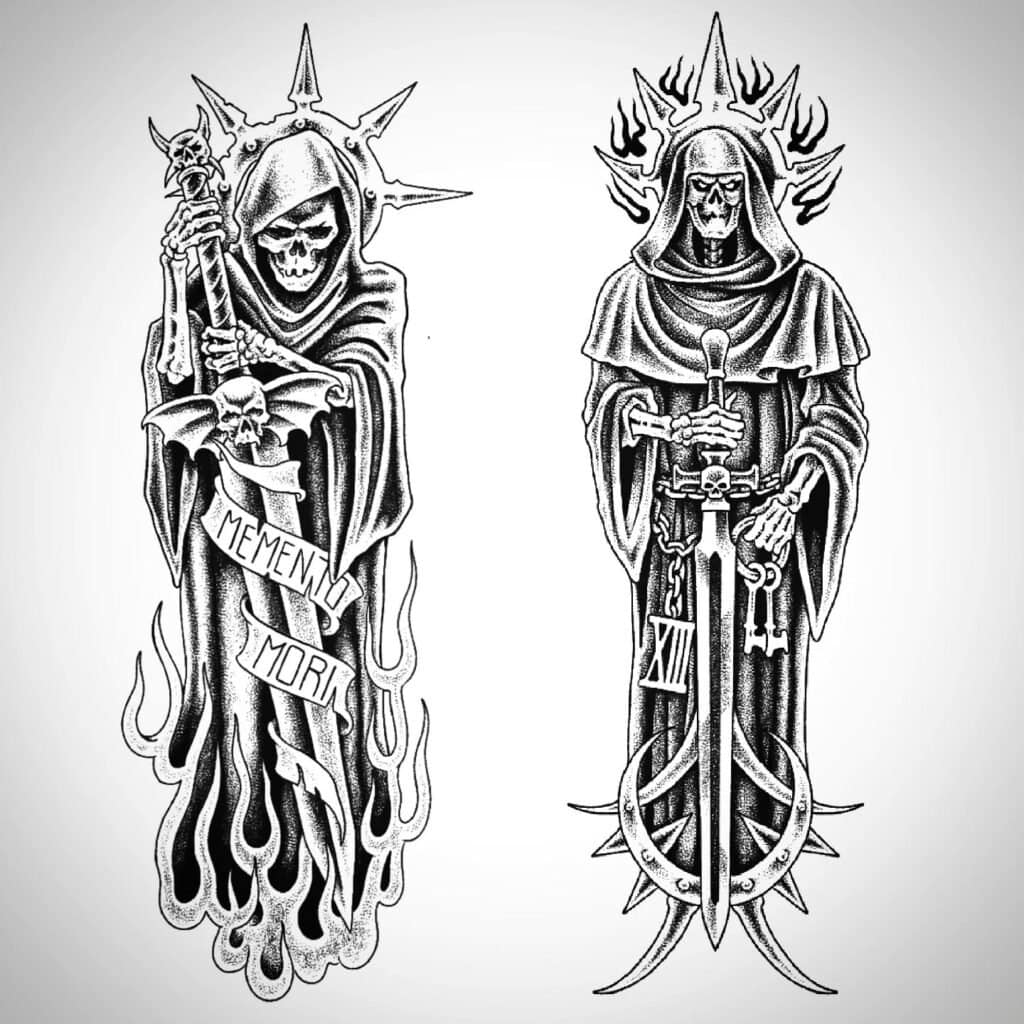
Robert Rašić’s Flash


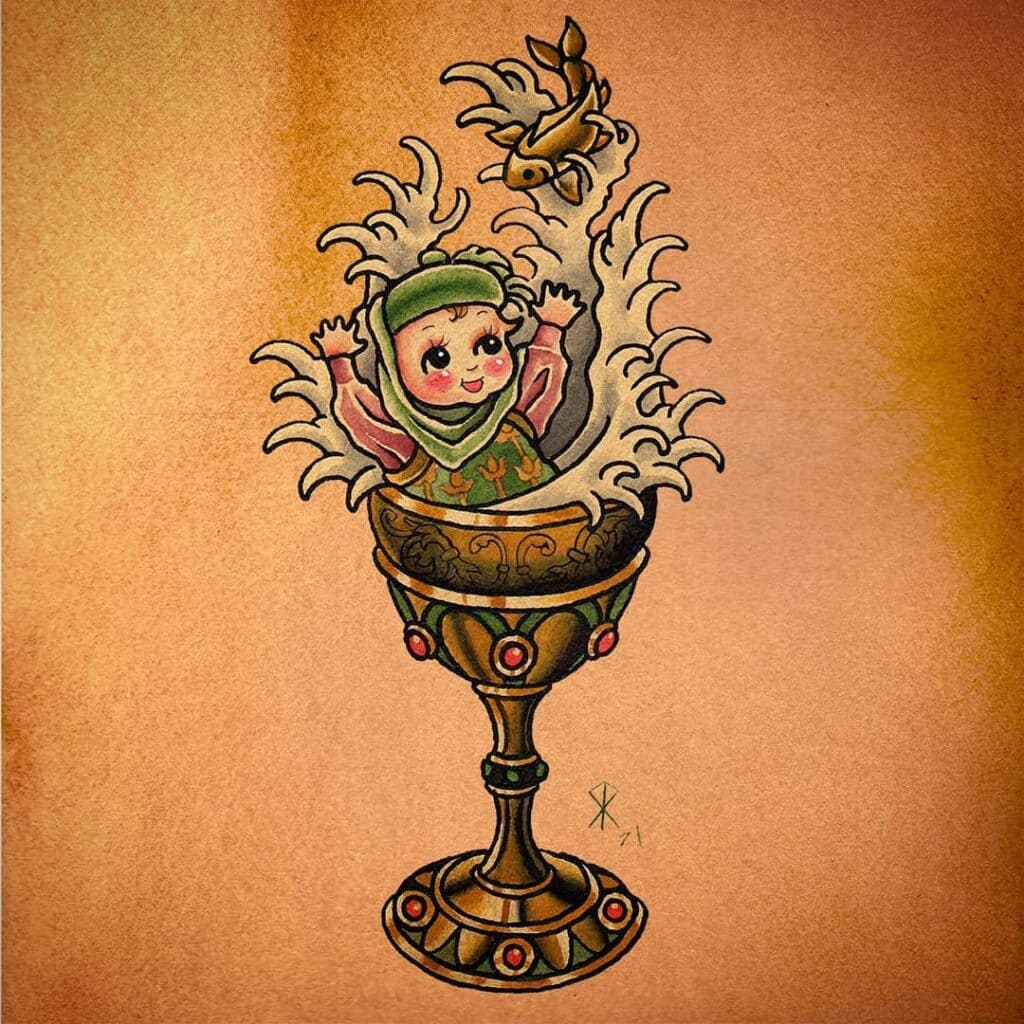
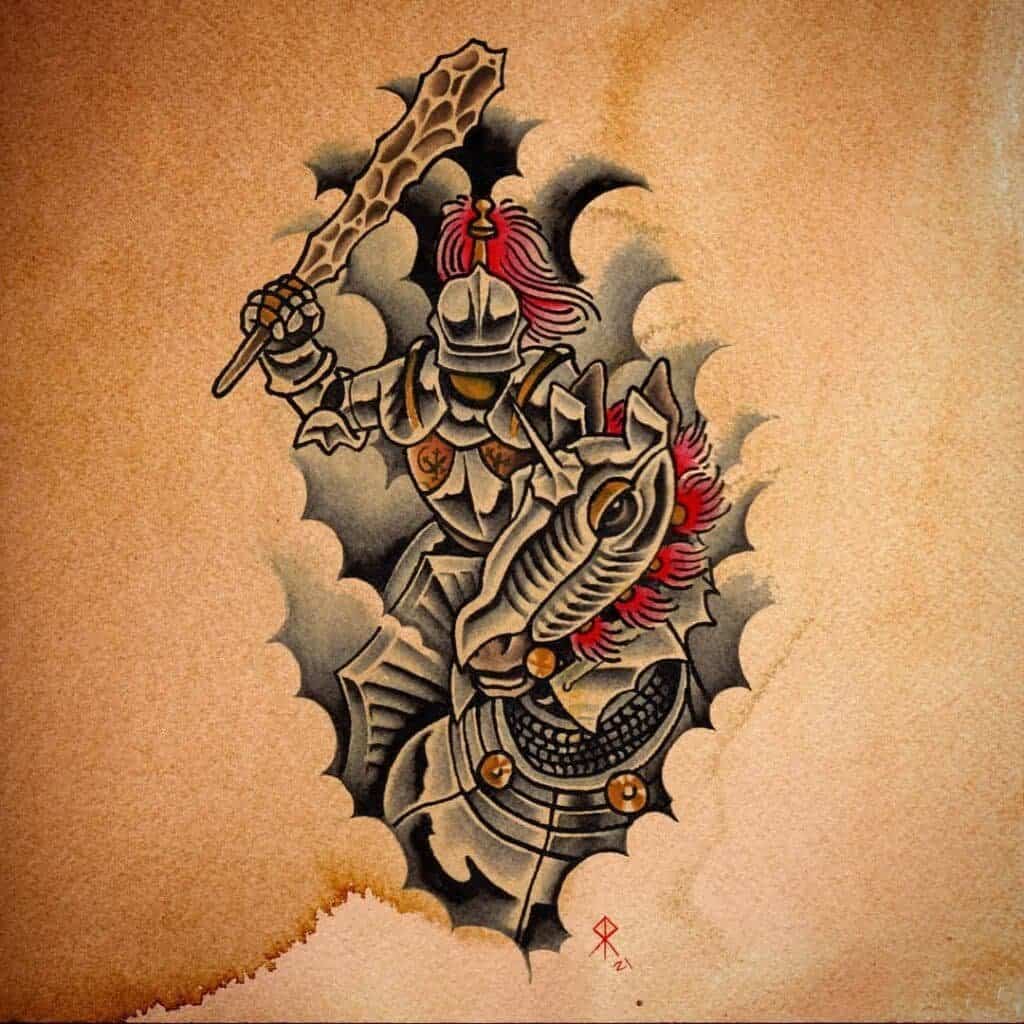
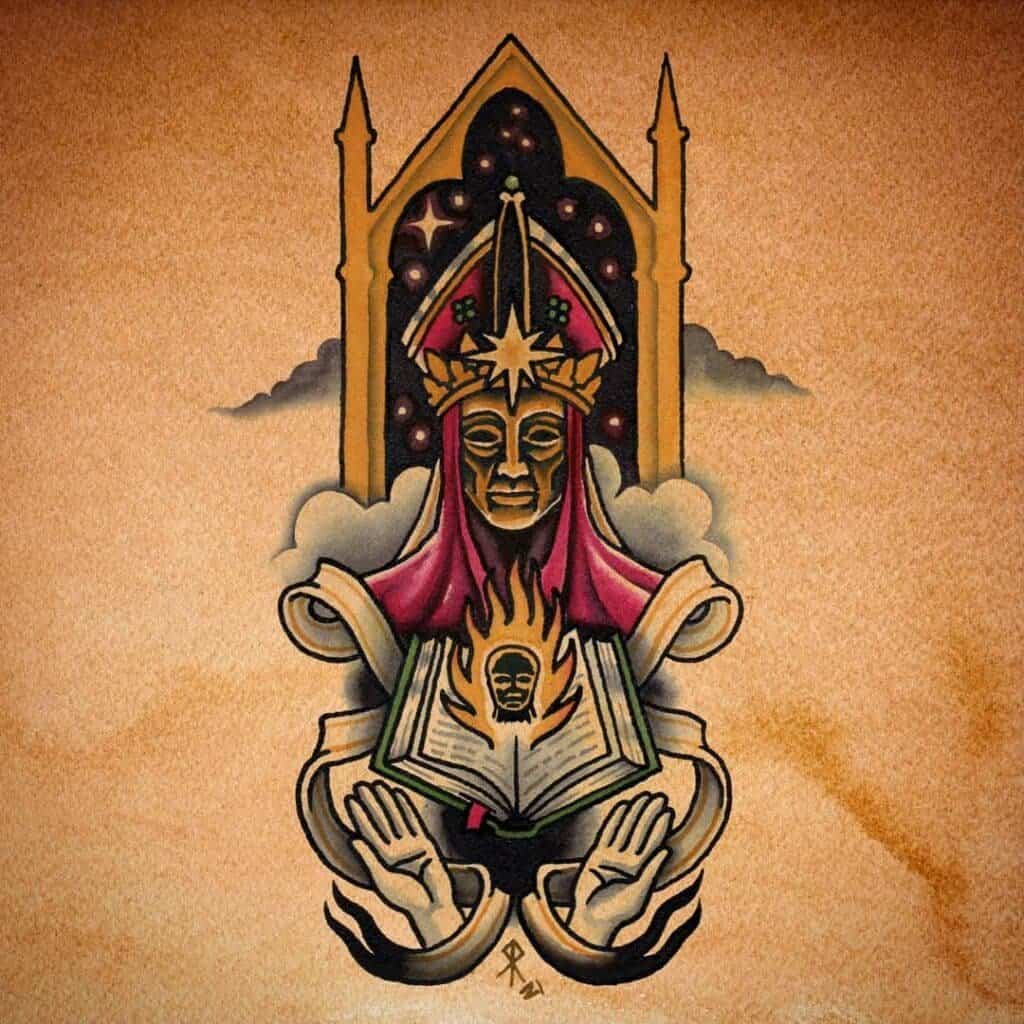
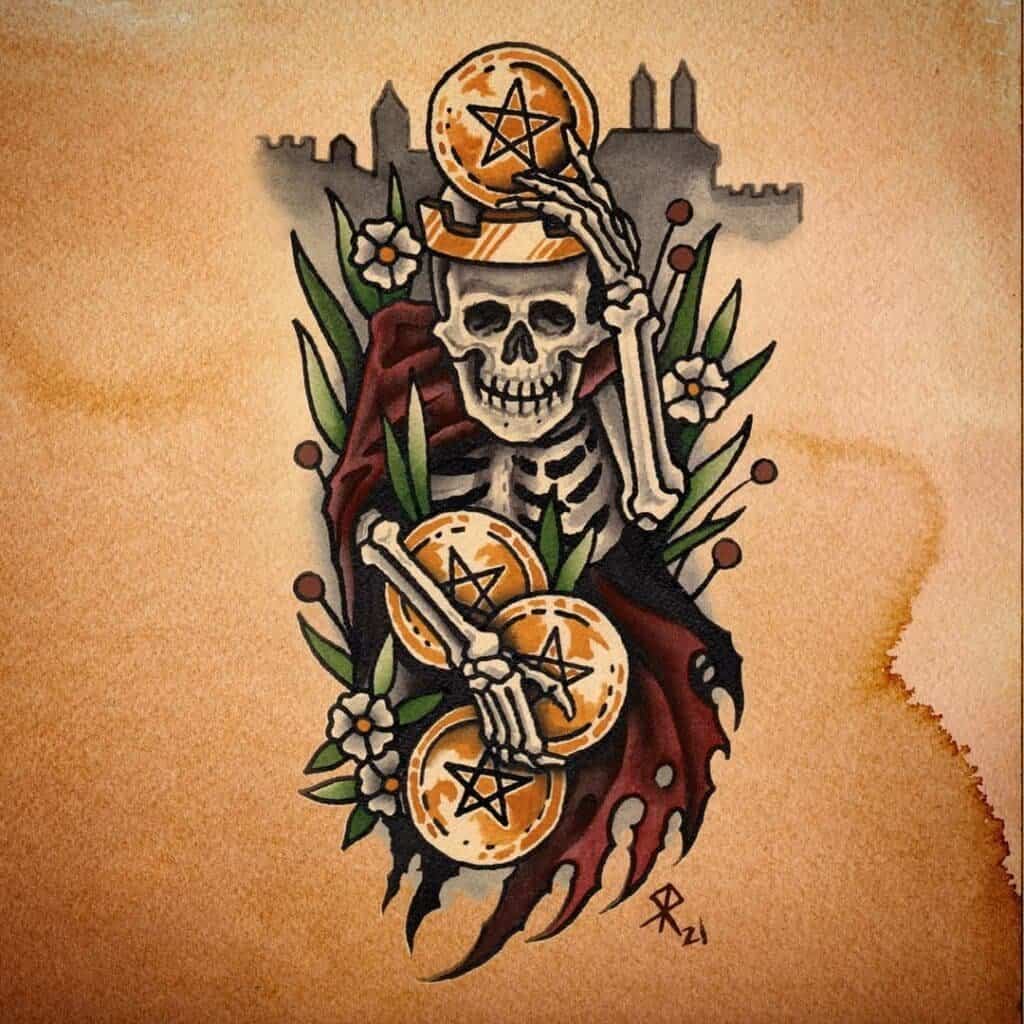
Traditional Tattoo Style

Technically, he considers himself a traditional tattooer, drawn to the timeless durability of classic tattoo principles. At the same time, his work weaves together influences from fantasy illustration and darker visual storytelling — a direction that increasingly leans toward what he describes as illustrative fantasy or even grimdark tattooing.
“Technically, I prefer to tattoo in the traditional style, as I feel the classic approach works best and stands the test of time on the skin. However, I also integrate a wide range of influences into my work. I’m drawn to bold outlines, bright colours, and wild, often violent scenes.”
“While I consider myself a traditional tattooer, I wouldn’t mind being described as an “illustrative fantasy tattooer” or, as I continue to refine my work, a “grimdark tattooer.”


Robert Rašić’s Tattoo Studio Experience
Working within a professional tattoo studio environment has played a key role in shaping Robert’s approach to tattooing, sharpening his technical discipline, work ethic, and understanding of how timeless tattoos are created to last on skin.


A Lifelong Pull Toward Tattooing
Robert’s relationship with tattooing started early — long before he ever picked up a machine.
As a child, he came across his first tattoo magazine at school, smuggled in by a friend who had taken it from an older brother. Inside were tattoos that felt almost unreal to him at the time, especially the work of Paul Booth.
At just nine years old, he made a decision that felt obvious then and still makes sense now.
“As a child, I saw my first tattoo magazine at school—a friend had brought it after swiping it from his older brother. I was instantly captivated, especially by the work of Paul Booth featured in the magazine. I declared, “I want to become a tattooer because they create perfect work and are artists who draw flawlessly.” Of course, this wasn’t entirely accurate, but it made perfect sense to my nine-year-old self—the tattoos looked incredible to my young eyes.”
Tattoo Inspiration and Early Art Foundations
While the idea of “perfect” art might not hold up under adult scrutiny, the impact those images had was lasting. Without a clear path into tattooing, Robert focused on painting and drawing instead — quietly building skills that would later become essential.
Years later, when tattoo-focused TV shows like Miami Ink began airing, that early fascination came rushing back. For Robert, those shows weren’t a gimmick — they were fuel.

“I held onto that dream but had no way to pursue it at the time, so I focused on painting and drawing. Later, when tattoo shows like Miami Ink started broadcasting, my childhood fascination resurfaced. Some might not admit it, but I was hooked. Those early seasons were amazing and inspired countless young people to learn tattooing, helping the industry grow into the massive phenomenon it is today. While this growth is often debated, I see it as a positive development.”
Robert Rašić | Twelve Years on the Skin

Robert has been tattooing for around 12 years, depending on how generously you count the earliest days.
“I’ve been tattooing for about 12 years—give or take—if you don’t count the year I spent experimenting on brave friends and questionable ideas.”

Like many tattooers, those early years were about learning through doing — testing limits, making mistakes, and slowly translating years of drawing and painting into something that would live permanently on skin.

Tradition as the Backbone
Rather than choosing a style outright, Robert’s approach developed through a long-term process of influence, curation, and refinement.
The work he feels best represents him is where those influences are most visible — drawn from a wide spectrum of visual culture, including:
“The pieces I consider most representative of my style are those where my influences are most evident. These influences span tattooers and studios, ukiyo-e art, medieval painters, classic fantasy art, skate graphics, metal album covers, and wargame miniature boxes.”
“I’ve always been drawn to images that convey power—whether they depict victors or the downtrodden.”
Whether it ultimately gets called traditional, illustrative fantasy, or grimdark, the throughline remains the same — tattoos built to last, designed with intent, and driven by a lifelong pull toward powerful imagery.
Traditional at the Core,
Dark by Nature
While Robert may resist labeling himself, his work continues to sharpen into something unmistakably his own: traditional tattooing infused with fantasy, grit, and visual intensity.
Address
Ramperstorfferg.57 1050 Wien, U4 Pilgramgasse, Vienna, Austria 1050
Phone
+43 676 556 29 96

- Ape and Monkey Tattoo Ideas - April 6, 2026
- Pokémon Tattoo Ideas - March 30, 2026
- Norse Mythology Tattoo Ideas - March 23, 2026
